
Last updated November 15, 2026
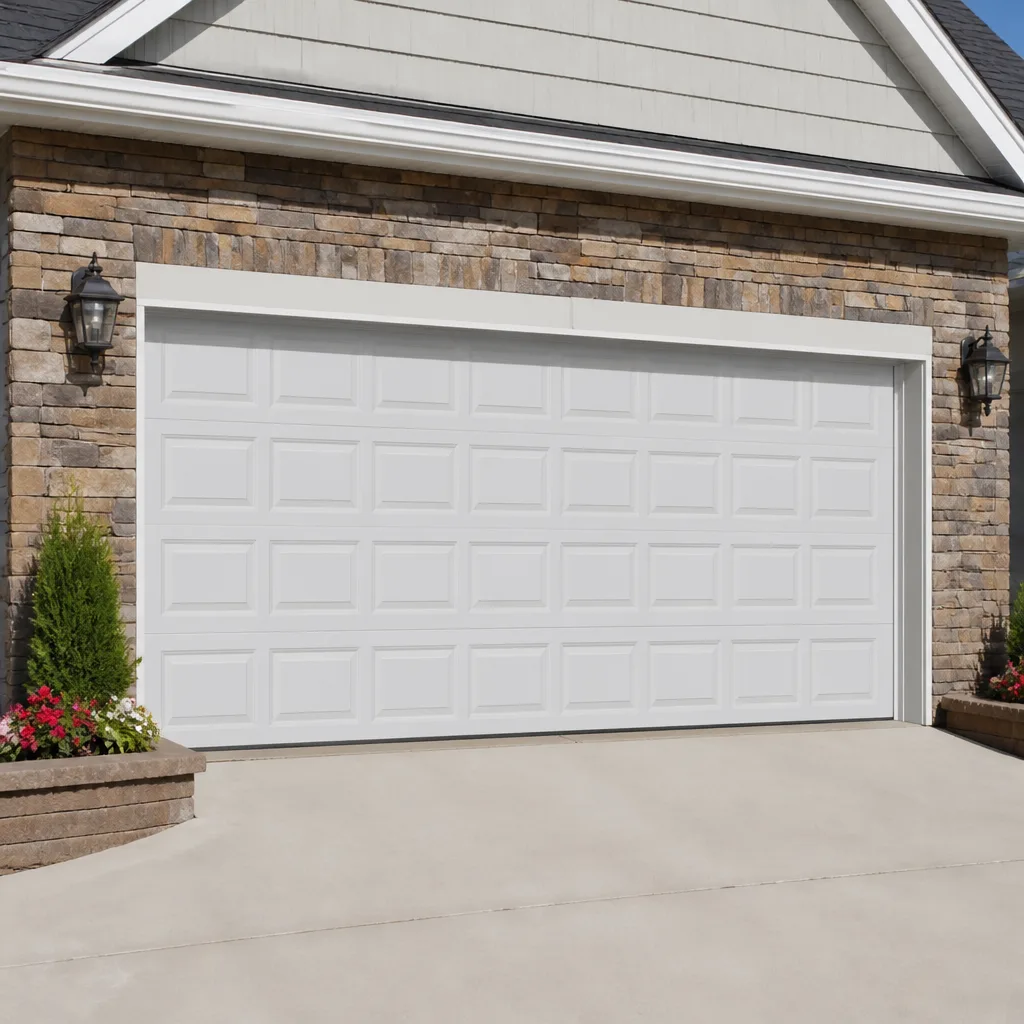 Raised-panel steel
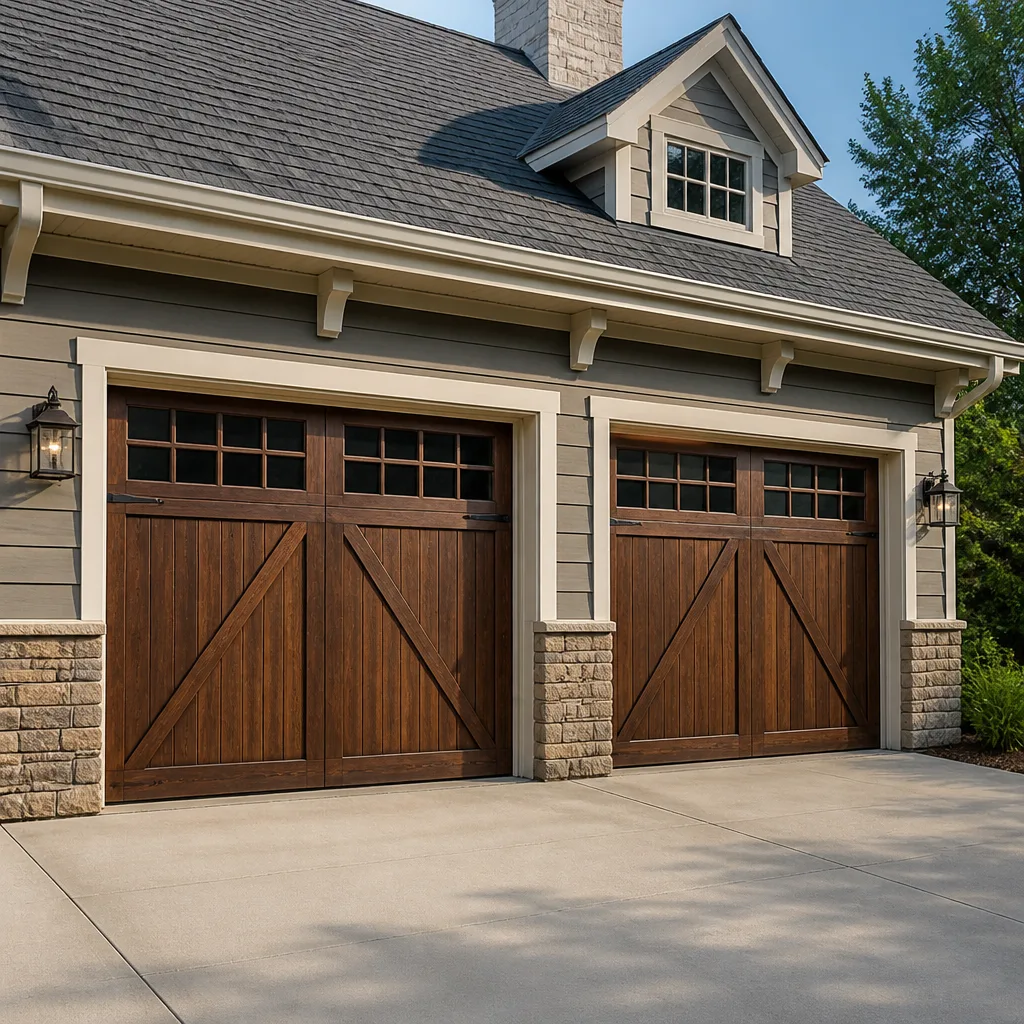 Carriage house
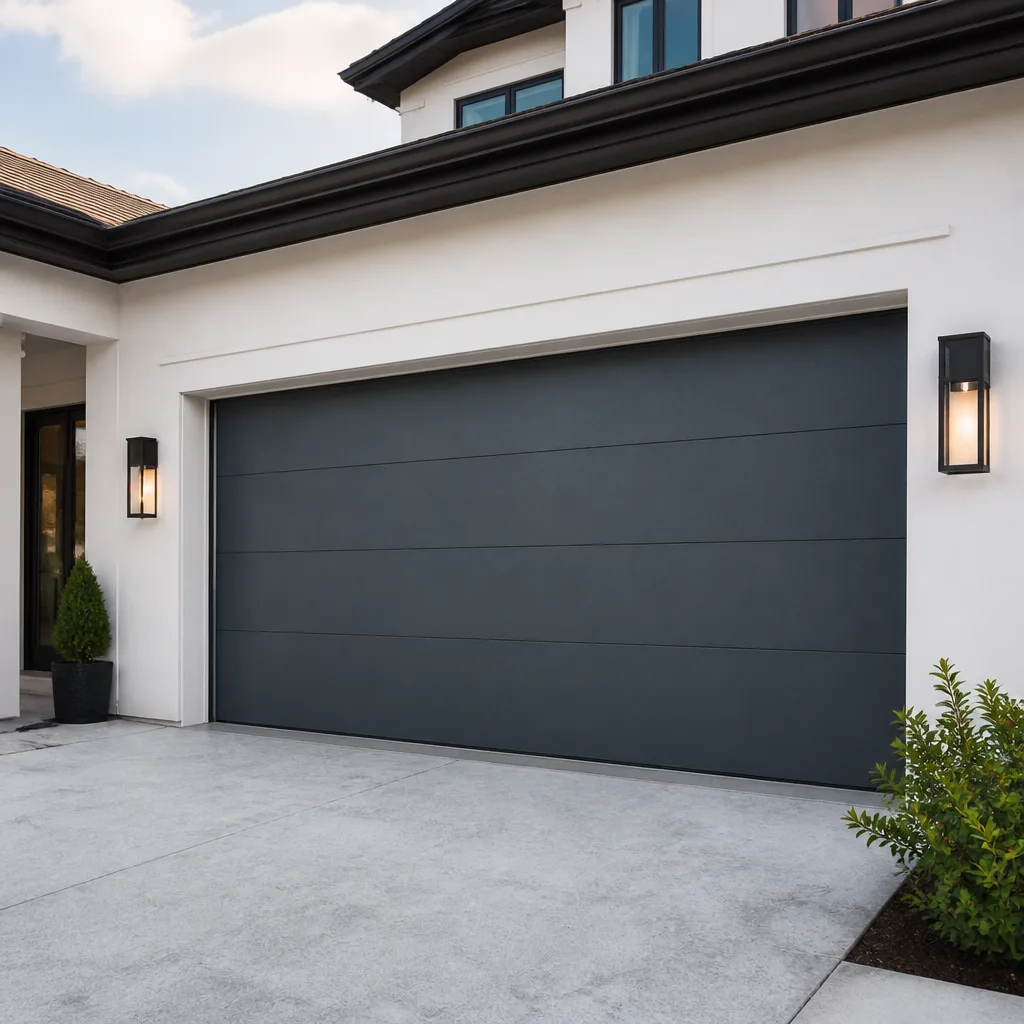 Modern flush
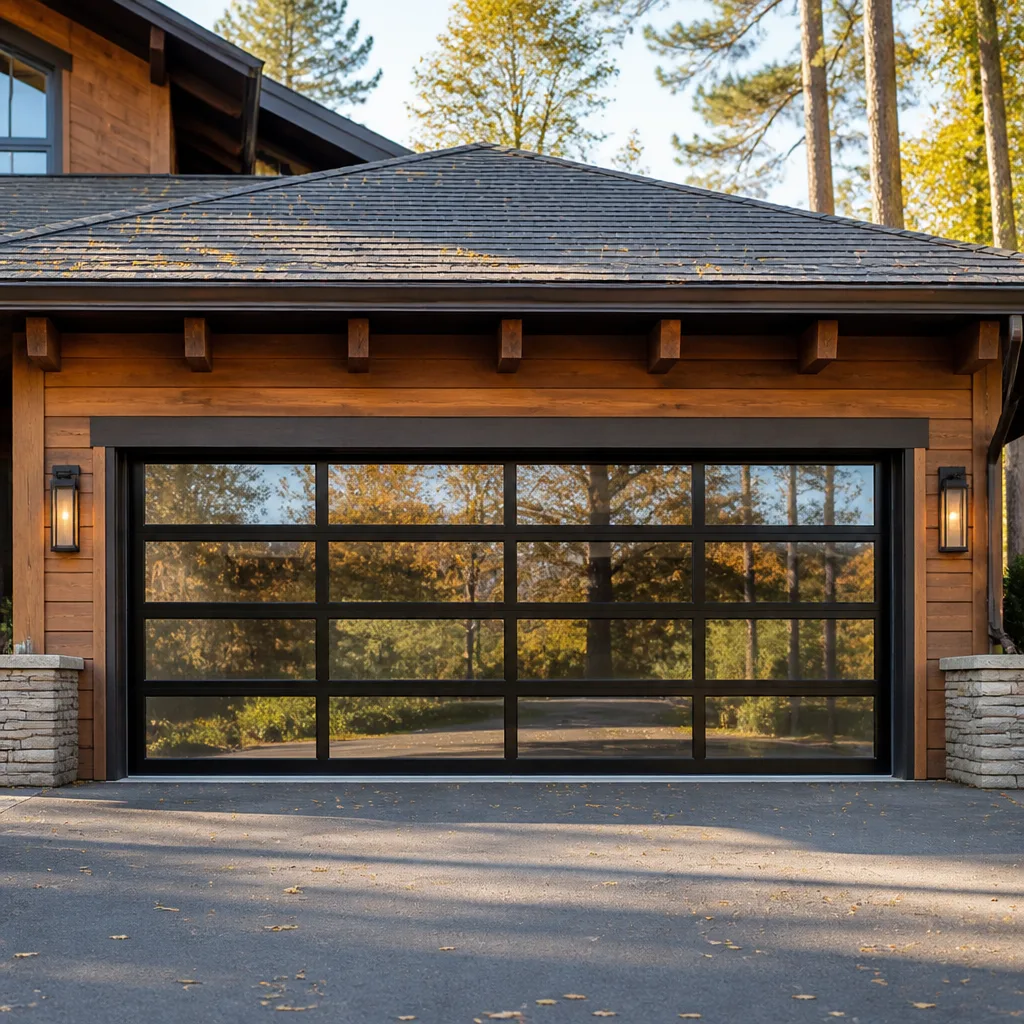 Full-view glass
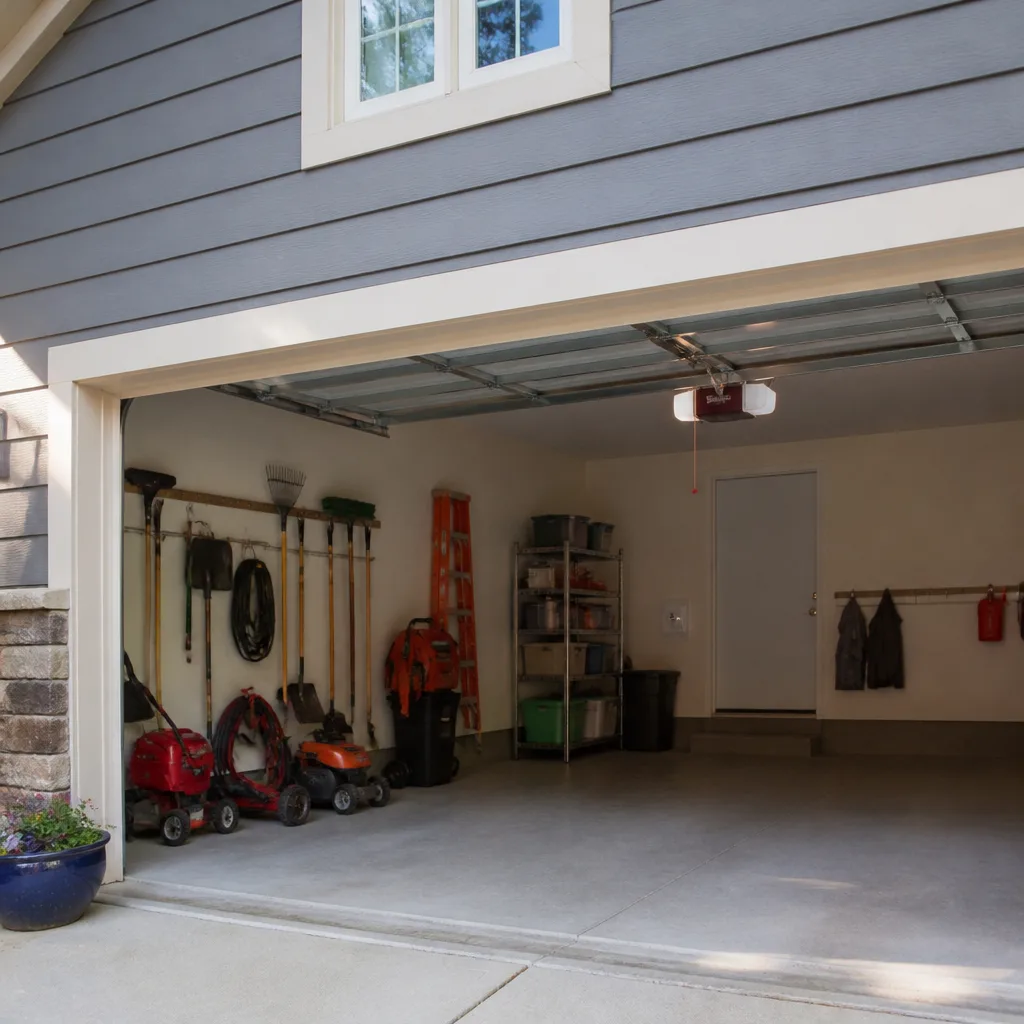 LiftMaster openers
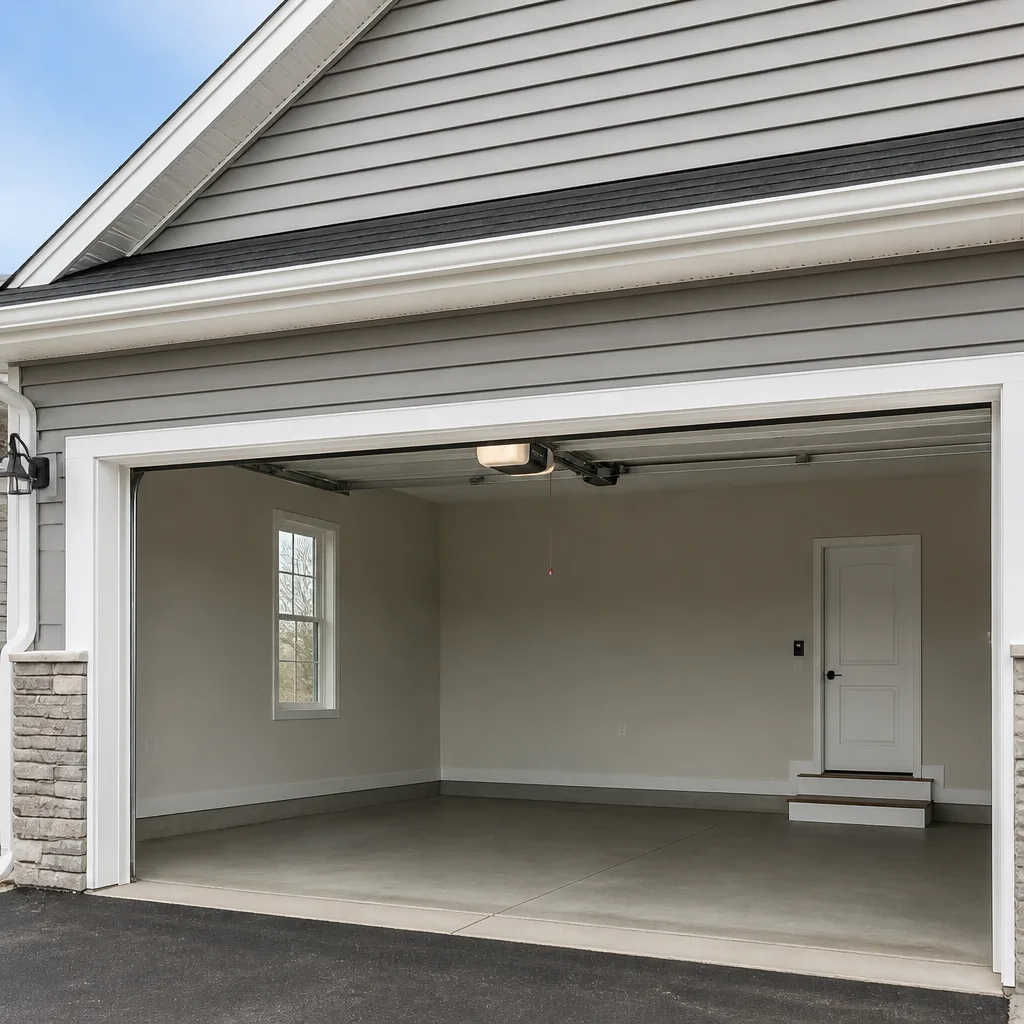 Chamberlain openers
Full 25-point door and opener safety check with every visit - springs, cables, rollers, tracks, and your LiftMaster or Chamberlain opener included
You get a price before we start. It does not change when the pro arrives.
Get your free estimateHow to Hire a Garage Door Contractor in Columbia: A Step-by-Step Guide
Ask a contractor “do you work on LiftMaster?” and almost everyone says yes. Ask them “which LiftMaster models use the yellow learn button versus the orange?” and you’ll find out in one sentence whether they know the system or just own a ladder. That gap, between claiming a brand and actually knowing it, is where most garage door hiring decisions go wrong. This guide gives you a screening process you can run over the phone, before anyone comes out, so you can tell a specialist from a generalist. We’ll cover the questions to ask, the licensing picture in Columbia, and the quote language that should make you pause.
Quick Answer
To hire a garage door contractor in Columbia, verify three things before you book: that they service your specific door and opener brand (not just “garage doors” in general), that they’re licensed and insured in South Carolina, and that they’ll give you a written, itemized estimate before any work starts. Then ask two or three brand-specific technical questions and listen for a specific answer. A contractor who knows the systems will answer directly. One who doesn’t will pivot to scheduling.
Styles & brands we work with
- Raised-panel steel
- Carriage house
- Modern flush
- Full-view glass
- LiftMaster openers
- Chamberlain openers
Table of Contents
- The Three Brand-Specific Test Questions
- What South Carolina Requires vs. What the Work Demands
- Red Flags in a Quote
- How to Verify Warranty Terms
- Why Same-Day Availability Is a Data Point, Not a Trust Signal
- How Columbia’s Climate and Housing Shape Garage Door Work
- Step-by-Step: The Screening Process
- Common Mistakes to Avoid
The Three Brand-Specific Test Questions
A garage door isn’t one system. It’s a door, springs, cables, tracks, hinges, rollers, and a separate opener with its own logic board, sensors, and remote programming. A contractor can be excellent at hanging a door and still be lost inside a Chamberlain opener. The test questions below surface which kind of shop you’re talking to. None of them require a visit. All of them have factual answers, which means a real specialist can’t bluff their way through.
Question 1: Which opener brands do you carry parts for?
Listen for named brands, not categories. LiftMaster, Chamberlain, Genie, and Craftsman cover the vast majority of openers in residential homes, and they each have distinct logic boards, safety sensor wiring, and remote programming sequences. A shop that names these without prompting probably works on them routinely. A shop that says “we can get whatever” is telling you they source parts per job, which usually means a longer wait and a higher chance the diagnosis was a guess.
Question 2: Can you diagnose a Wi-Fi or smart opener, or do you only service older units?
Connected openers have become common, and general handymen often can’t diagnose them because the failure isn’t mechanical. It’s a board, a firmware issue, or a network pairing problem. Ask directly whether they service connected systems. If the answer is vague, you’ve found the edge of their training.
Question 3: What brand is my door, and what’s the difference in how you’d service it?
Premium door lines like Clopay, Amarr, Wayne Dalton, and Raynor use different hardware, panel construction, and tension setups than builder-grade doors. A contractor who works across the quality spectrum will explain the difference in plain terms. One who works only on one line will tell you what they know, which isn’t the same thing.
At Clarity Garage Door Service, our technicians are trained to service eight of the most widely installed garage door and opener brands in residential use, spanning LiftMaster, Chamberlain, Genie, Clopay, Amarr, Wayne Dalton, Craftsman, and Raynor. That breadth matters most on the day you can’t find anyone who works on your brand. When you’re ready to book, you can start with Clarity Garage Door Service and skip the brand-by-brand search.
What South Carolina Requires vs. What the Work Demands
South Carolina regulates contractors through the state licensing board, with requirements that vary by trade and by project value. Garage door work doesn’t sit neatly in one category, which is exactly what makes the licensing question worth asking out loud. Ask every contractor you consider two things: are you licensed, and what’s your license class? Then ask whether the work falls under it.
The gap between the license and the work
A valid license confirms a contractor has met the state’s registration requirements for a defined trade. It does not confirm they’ve been trained on torsion spring systems, opener electronics, or the specific door you own. Those are separate skills, learned on the job or through manufacturer training. So a license is a floor, not a ceiling. It tells you the business is accountable. It doesn’t tell you the technician knows your system.
Insurance is the second question
Ask whether the company carries general liability insurance and workers’ compensation, and ask for a certificate. Garage door work involves stored energy in springs, overhead loads, and electrical connections at the opener. Those are the kind of conditions where an uninsured operator becomes your problem. If a contractor gets uncomfortable with the insurance question, that’s your answer.
Permits
For a simple replacement of an existing door in the same opening, most projects don’t require a permit, but rules vary by jurisdiction. A new installation, a change to the opening, or structural work around the header may. Ask your contractor whether they’ll pull any permit the job requires, and if you’re unsure, call the City of Columbia’s building department and ask directly. A contractor who says “we never bother with permits” is a contractor who’s happy to leave you holding the inspection.
Red Flags in a Quote
The numbers on a garage door quote matter less than the language around them. Two quotes can land within a few hundred dollars of each other and represent very different business models. Learn to read the phrasing, and you’ll spot the problematic ones before you authorize anything.
“Labor included”
Sometimes this is a genuine convenience. Often it’s a way of hiding a padded labor charge inside a parts price that looks competitive. Ask for the labor line separately from the parts line. A contractor with nothing to hide will break it out.
“Parts at cost”
No contractor buys parts at cost, and none should be expected to. If the phrase appears, ask what the markup is and why it isn’t shown as a line item. The clean version of this conversation is simple: here are the parts, here’s the labor, here’s the total, and this is the price. If the quote doesn’t say that plainly, ask them to redo it.
Verbal only
A quote that only exists on the back of a business card is not a quote. The written estimate should be the price. Get it in writing, with the parts named and the scope described, before anyone touches the door.
Pressure to authorize on the spot
If a technician arrives and immediately tells you the whole system must be replaced before they’ll discuss anything else, that’s a diagnosis delivered under pressure. Ask for the specific failure and the test that confirmed it. On a spring, a cable, or an opener board, there’s a real answer. If you don’t get one, get a second estimate.
No itemized breakdown
Replacing a single torsion spring is one line. A matched pair is two. A pair replaced alongside cables, rollers, and a bearing plate is a different job. An estimate that lumps everything into one number without saying what’s included makes it impossible to compare, and impossible to know what you agreed to.
A range quoted as a firm price
Any honest contractor quotes a range before seeing the door and narrows it to a firm number after. If someone gives you an exact price over the phone without asking what brand, size, and age the door is, they’re either guessing or planning to revise it once they’re in your driveway. On spring work specifically, expect a technician to confirm the spring type and cycle rating before the price is final.
How to Verify Warranty Terms
Warranty is where the contractor’s word and the manufacturer’s terms get confused, and the difference matters because they expire at different times. A manufacturer warrant covers the product. A contractor warrant covers the installation. You want both, stated separately and in writing.
- Ask for the manufacturer’s warranty document, not a summary. A verbal “it’s covered for a few years” is not a warranty. Ask them to leave the manufacturer’s written terms with the estimate, so you can see the coverage period and its exclusions.
- Ask what voids the manufacturer warranty. Most exclusions are about installation: wrong spring tension, misaligned track, unsupported opener. That means the installation quality determines whether you ever get to use the product warranty.
- Ask what the contractor covers and for how long. Labor coverage is the contractor’s decision, not the manufacturer’s. Get the length in writing and ask whether the coverage transfers if you sell the house.
- Confirm the brand on the estimate matches the brand on the door. If the estimate says one brand and the invoice says another, the warranty may not apply. Verify the model number on the door after installation.
- Keep the documents together. The estimate, the invoice, and the warranty terms should live in one folder. When a spring fails five years later, that folder is what makes the claim straightforward.
For a new door, the installation matters more than many homeowners expect. If you’re planning new installation rather than repair, treat the warranty conversation as part of the selection process, not an afterthought. It’s also why a company that handles the door, the springs, the hardware, and the opener as one system is easier to hold accountable than three different contractors. Our garage door repair work is a single point of contact for exactly this reason.
Why Same-Day Availability Is a Data Point, Not a Trust Signal
A contractor who can come today is telling you they have capacity. That’s useful. It is not a statement about their skill, and it’s a weak reason to hire anyone. When your door is stuck open, capacity feels like the whole answer. It isn’t.
What same-day actually tells you
It tells you the company has a technician free, has a path to the part, and can reach your address. All good. What it doesn’t tell you is whether that technician has worked on your brand, whether they’ll give you a written diagnosis, or whether the part they install will still be covered by the manufacturer. Those are separate questions.
What to check before you book on speed alone
- Will they confirm the brand over the phone before booking? A specialist can tell you whether they service your system before they take your call.
- Will they diagnose before quoting, or quote before diagnosing? The brand standard that matters is diagnosis first, price second.
- Is the estimate written, and is the price set before work starts? “We’ll sort it out on site” is not a price.
- Is the company licensed and insured? That’s a yes-or-no answer, and it’s free to ask.
When an opener fails, speed and expertise both have to be there. The most useful version of that is a company that can diagnose the specific board, sensor, or remote issue on the first visit, not one that swaps parts until the door works. That’s what garage door opener repair means to us: a straight answer about the system, then the fix.
At Clarity Garage Door Service, we answer 24/7 and dispatch from 7am to 7pm, Sunday through Friday. Speed is a service, not a credential. The credential is that we know your brand.
How Columbia’s Climate and Housing Shape Garage Door Work
Garage door work in Columbia is influenced less by weather extremes than by housing stock and sun exposure. The region sees hot summers and frequent afternoon thunderstorms, and both leave marks on a door over the years. Understanding the local picture helps you ask better questions when you hire.
Heat and sun on the door panels
A garage door facing west in Columbia gets long hours of direct sun in the afternoon, and steel panels expand and contract across that cycle. The result shows up as paint fading, seam stress, and sometimes a warped panel on an older door. A good contractor will ask which direction the door faces before recommending a material or finish. If they don’t, ask them.
Humidity and hardware
Summer humidity in the Midlands works on hinges, rollers, and springs. Springs are oiled at the factory, and a technician should check lubrication as part of any service visit, not just the door. If your rollers have started squealing, that’s often the lubrication cycle, not a failed part. It’s a quick thing to fix and worth naming on the estimate.
Older housing and nonstandard openings
Columbia neighborhoods include a lot of housing built across many decades, and that means a mix of standard and nonstandard garage openings. Older homes sometimes have narrower singles or low-headroom setups that rule out certain doors or require a low-clearance opener. A contractor who works on premium and builder-grade lines both, from Clopay and Amarr to Wayne Dalton and Raynor, has seen more of these variations. One who installs only one line will steer you toward what they carry, not what your opening accommodates.
Storm season
Heavy summer storms bring wind loads that test the track alignment and the door’s balance. Most storm damage we hear about is a shifted track or a door that’s off its balance point, not a failed spring. A properly tuned door handles that better than a door that’s been ignored.
Step-by-Step: The Screening Process
Here’s the process we’d recommend to any homeowner in Columbia hiring a garage door contractor. Run it in order. Most of it happens over the phone, before anyone comes out.
- Identify your door and opener brands. Look at the door’s edge for a label, and at the opener motor housing for a model number. Note both. You’ll use them in the next step.
- Ask three contractors the same two questions. “Do you service [your brand]?” and “Which of your technicians works on [your opener brand]?” The second question is the harder one, and the answer tells you the most.
- Verify licensing and insurance. Ask for the license and a certificate of insurance. This is a short conversation with a real contractor.
- Request a written estimate with the parts and labor broken out. Ask what’s included and what’s not. Ask what the price is based on.
- Ask about the warranty in writing. Manufacturer terms and the contractor’s installation coverage, separately.
- Ask what the diagnostic process looks like. A trained technician will describe a specific test for a specific failure. A generalist will describe a replacement.
- Compare the estimates side by side. Same scope, same parts named, same warranty terms. If the scopes don’t match, the prices aren’t comparable.
- Confirm the price before work starts. The written estimate is the price. Nothing should change once the technician is in your garage.
If you want to run steps one through three in a single call, Columbia homeowners can reach us directly. Call (833) 391-2958. We answer 24/7, and we’ll tell you honestly whether we work on your system before we book anything.
Common Mistakes to Avoid
- Hiring on price alone. The lowest quote often hides a scope problem, like a single spring replaced when the pair is past its cycle life. Ask what the price includes before comparing it to anything else.
- Not asking which brand the technician is trained on. A company that services garages in general is not the same as one that knows your specific opener. Ask before you book, not after the van arrives.
- Accepting a verbal quote. A price discussed in your driveway is not a price. Get the estimate in writing, with the parts named and the scope described.
- Assuming the manufacturer warranty covers the installation. It usually doesn’t. Ask what the contractor warrants on their own work and get it in writing.
- Ignoring the direction the door faces and the age of the house. In Columbia, west-facing doors and older openings need different recommendations. A contractor who skips those questions hasn’t looked at your situation.
- Choosing a company because they can come today. Speed is useful. It isn’t expertise. Verify the skill first, then accept the speed as a bonus.
- Letting the opener be treated as an afterthought. The door and the opener are one system. A contractor who only wants to sell you a door and “look at the opener later” is asking you to coordinate two things they should have handled.
See the difference
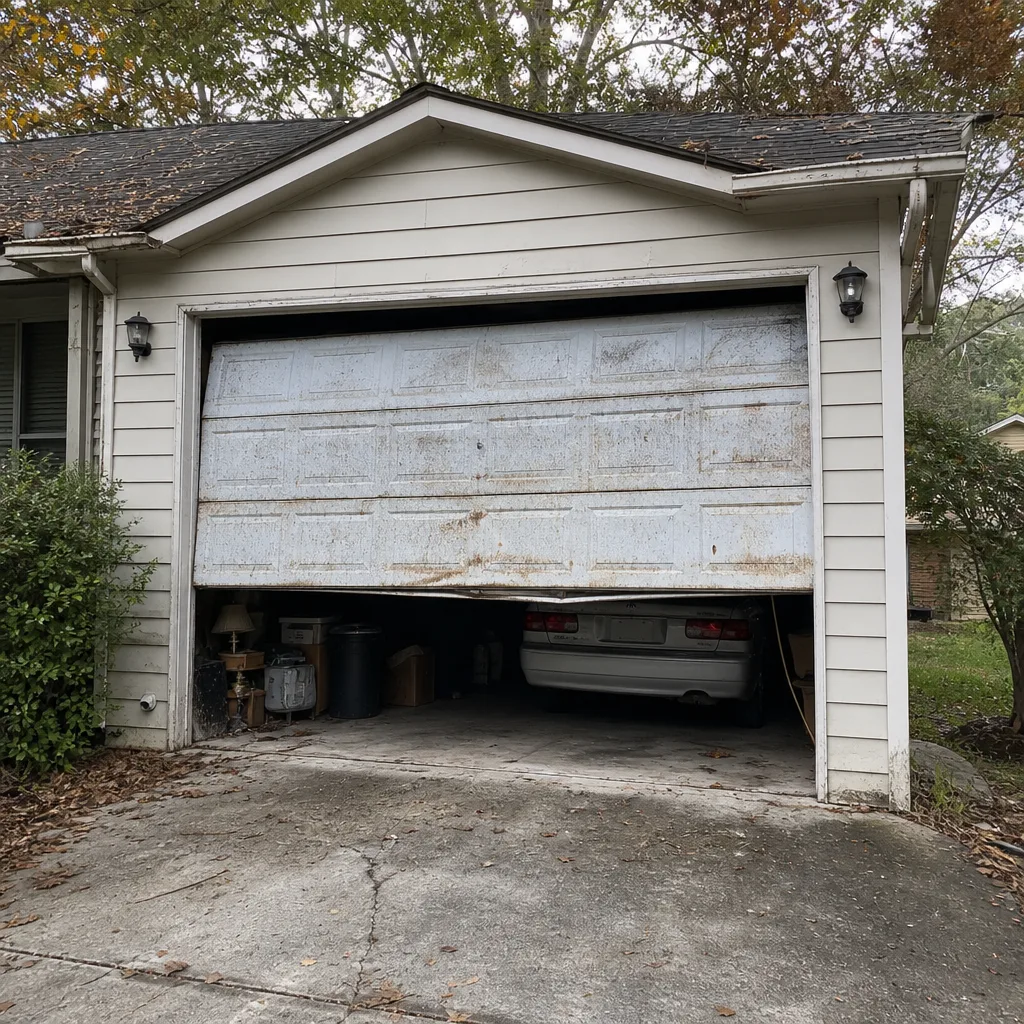 Before
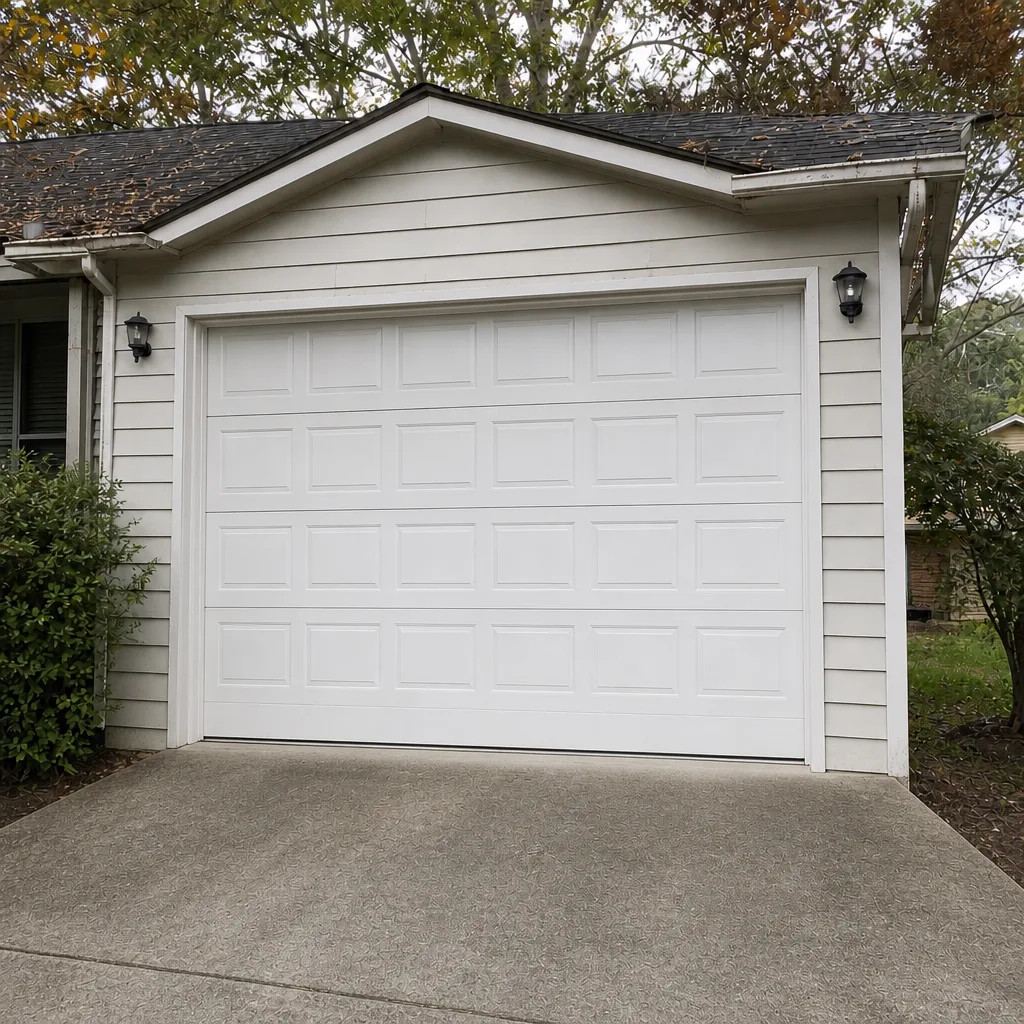 After
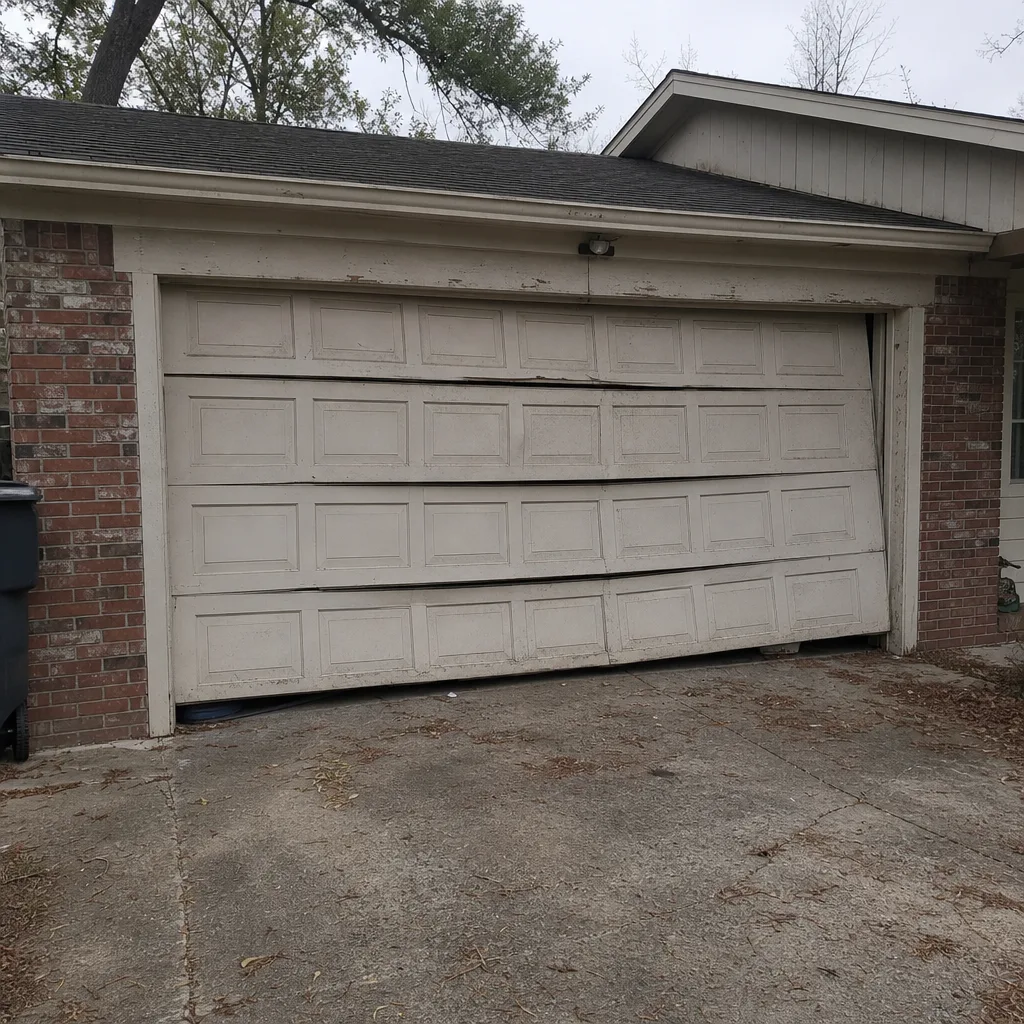 Before
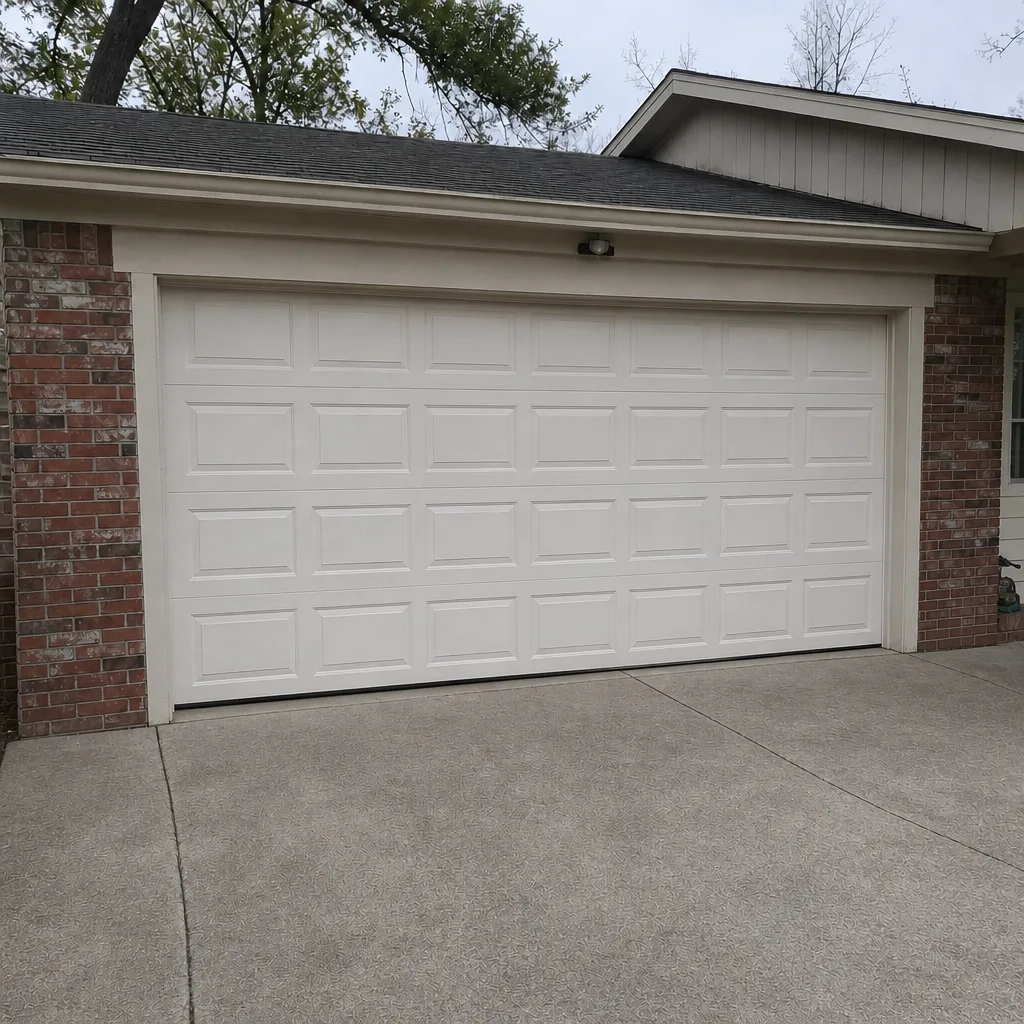 After
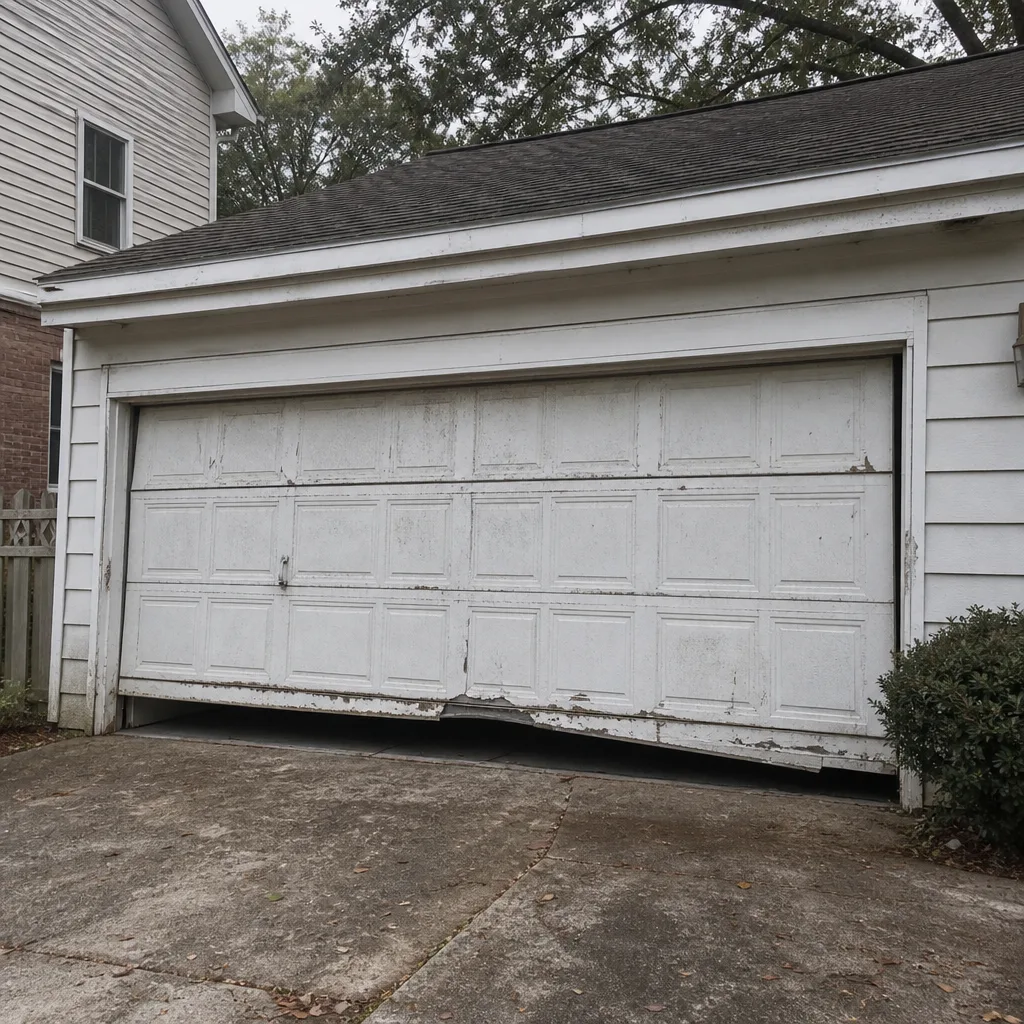 Before
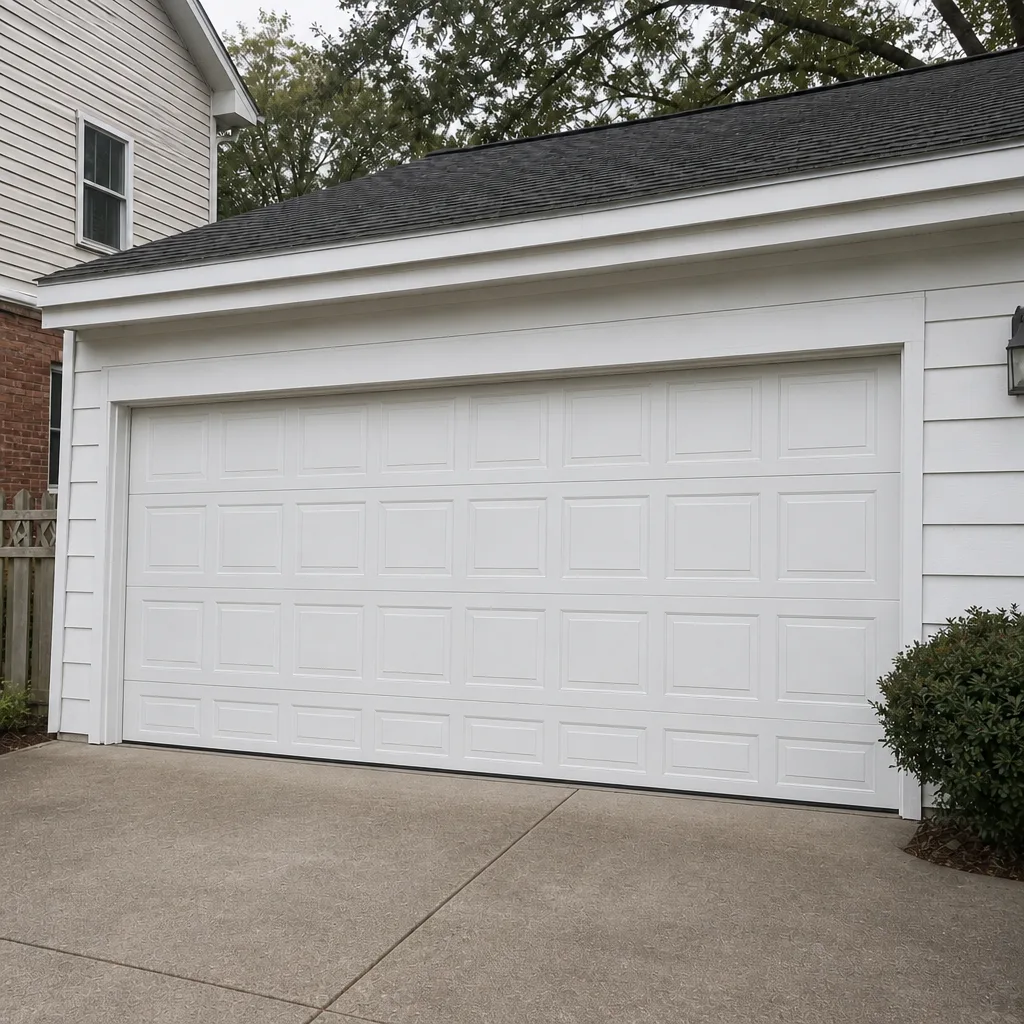 After
When to Call a Professional
Some jobs are worth a phone call, and some require one. Cables and torsion springs are in the second category. Those parts store enough energy that a mistake can cause serious injury, and a trained technician should handle them. If your door won’t close evenly, if you hear a snap from above the door and the door won’t lift, if your opener runs but the door doesn’t move, or if the door is off its tracks, call a professional. Anything involving the opener’s wiring or logic board is also a professional job, especially on connected systems where a wrong board swap just creates a new problem. And if a technician can’t tell you what brand they’re working on, that’s a sign to call someone else. Clarity Garage Door Service offers free estimates in Columbia. Call (833) 391-2958. We answer 24/7, and fast dispatch runs from 7am to 7pm.
Frequently Asked Questions
Garage door repair in Columbia typically runs from about $150 for a minor adjustment or a roller and hinge replacement up to around $600 for a spring or cable repair with hardware, and the written estimate sets the final price. Cost depends on which part failed, whether the door is a single or a double, and whether the opener is involved. A torsion spring is quoted per spring, so a matched pair replaced together is about twice the single-spring figure. Call (833) 391-2958 for an exact quote. Estimates are free.
We can often dispatch the same day, but we’ll confirm your brand and the failure over the phone first, because the right part matters more than the arrival time. Call (833) 391-2958. We answer 24/7. Fast dispatch runs from 7am to 7pm, Sunday through Friday, and a call outside those hours is booked into the next opening.
The price is set by the written estimate and doesn’t change once work begins. If the diagnosis changes on site, which happens when a secondary failure shows up, we stop and re-quote before touching anything. Call (833) 391-2958 for a free estimate in Columbia.
Yes, the contractors who perform the work are state-licensed, and we recommend you ask for proof of insurance on any job, from any company, before work starts. Those are reasonable questions, and the right contractor answers them without hesitation. Call (833) 391-2958 to book a free estimate.
We service and install openers from LiftMaster, Chamberlain, Genie, and Craftsman, which covers most residential systems, including connected and Wi-Fi models. If your opener is one of those, we can diagnose it on the first visit instead of swapping parts. Call (833) 391-2958 to confirm your model.
Ask for the manufacturer’s written warranty document, not a verbal summary, and ask separately what the contractor warrants on the installation. The two are different coverages with different terms. Call (833) 391-2958 and we’ll go through the warranty terms before you authorize any work.
The Bottom Line
Hiring a garage door contractor in Columbia comes down to a short screening process, run before anyone comes out. Confirm the brand, verify the license and insurance, ask for a written estimate with parts and labor itemized, and get the warranty terms in writing. Ask two or three brand-specific questions and listen for a specific answer. Speed is a service, not a credential. The contractor who can explain your specific system in plain terms is the one you want in your garage. The rest is paperwork, and the paperwork should be clear before a bolt is turned.
Call (833) 391-2958 for a free estimate. We answer 24/7, with fast dispatch from 7am to 7pm, Sunday through Friday. Clarity Garage Door Service works from the spring to the smart opener, and we’ll tell you exactly what’s wrong before we touch anything.
Written by the team at Clarity Garage Door Service.