
Last updated November 15, 2026
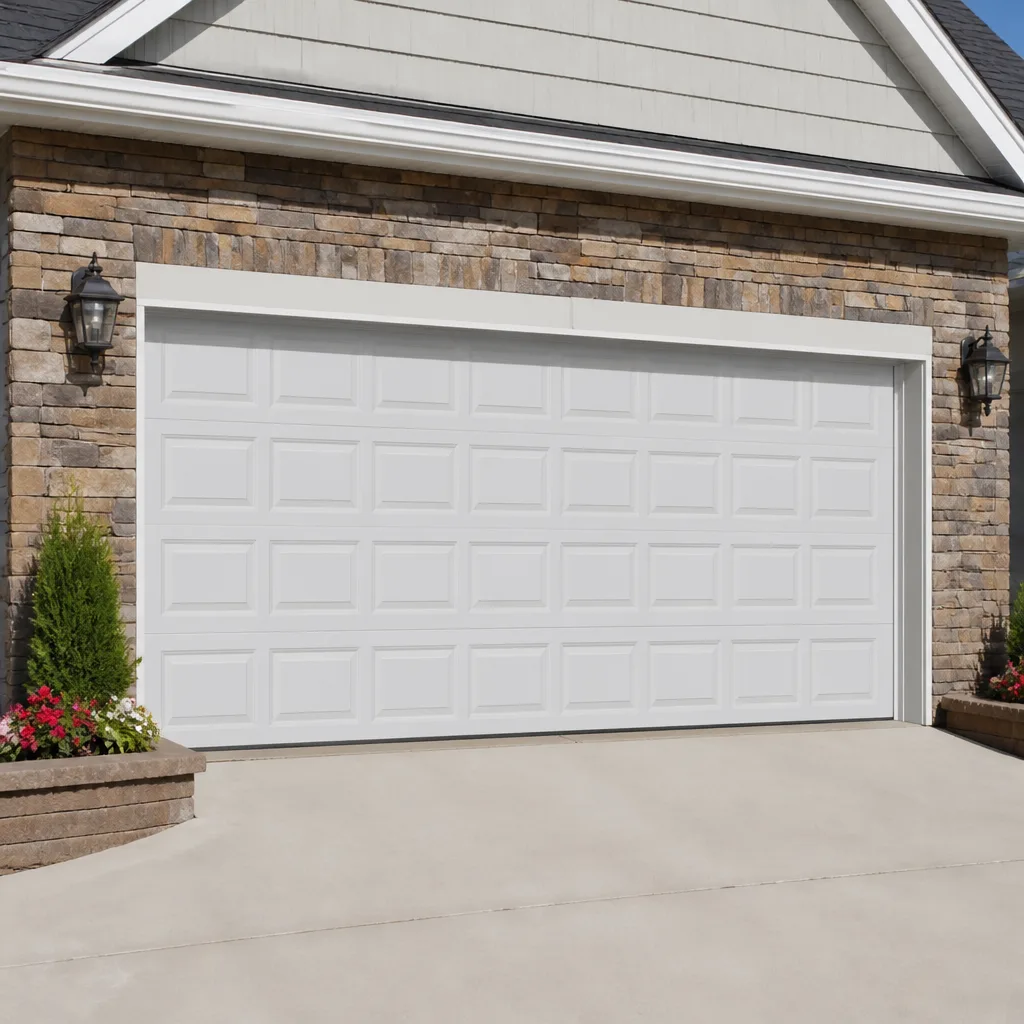 Raised-panel steel
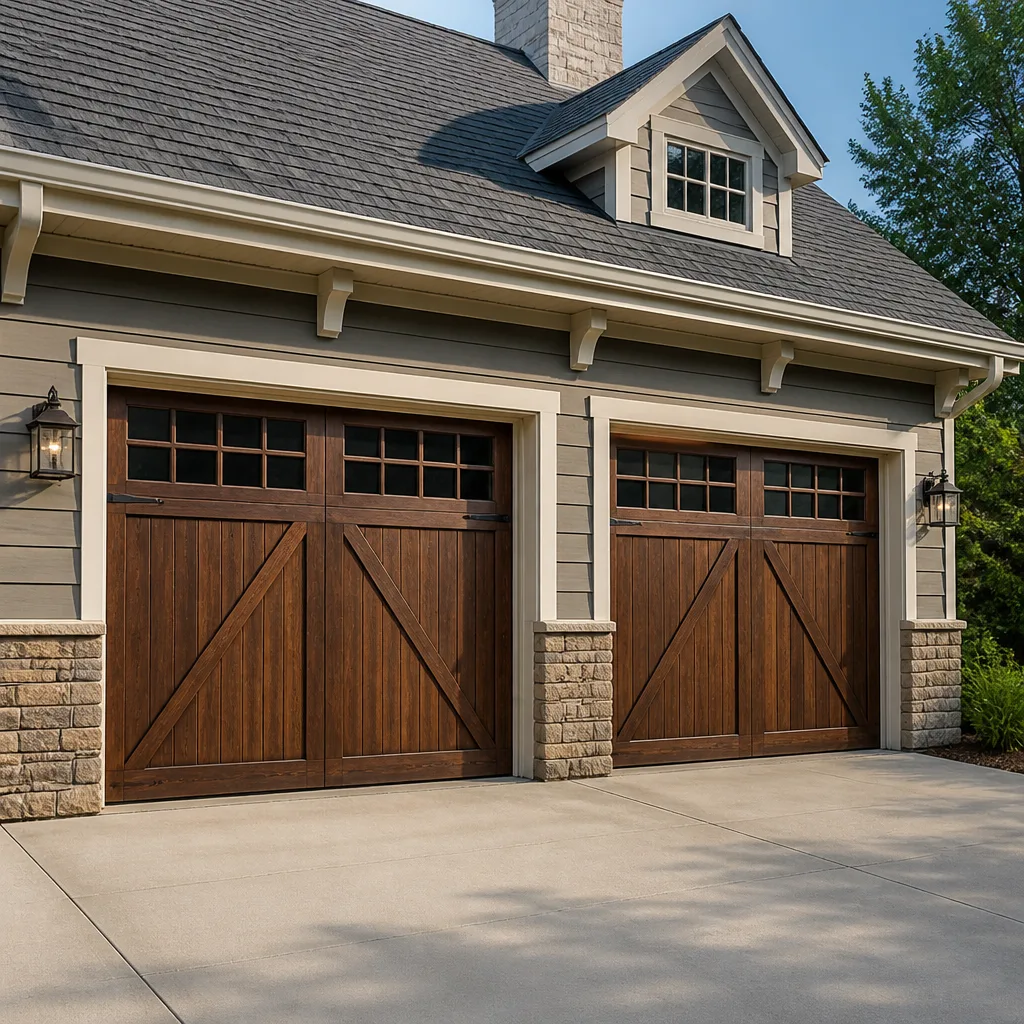 Carriage house
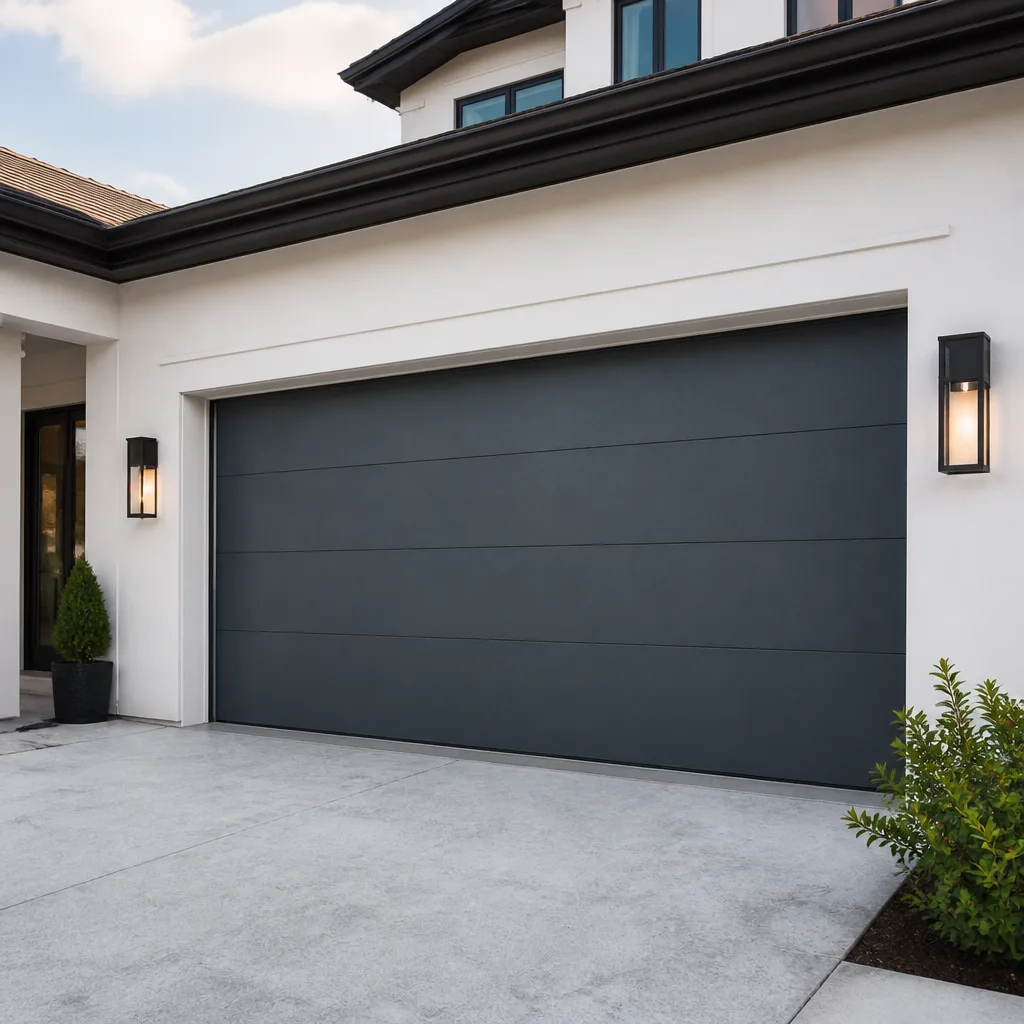 Modern flush
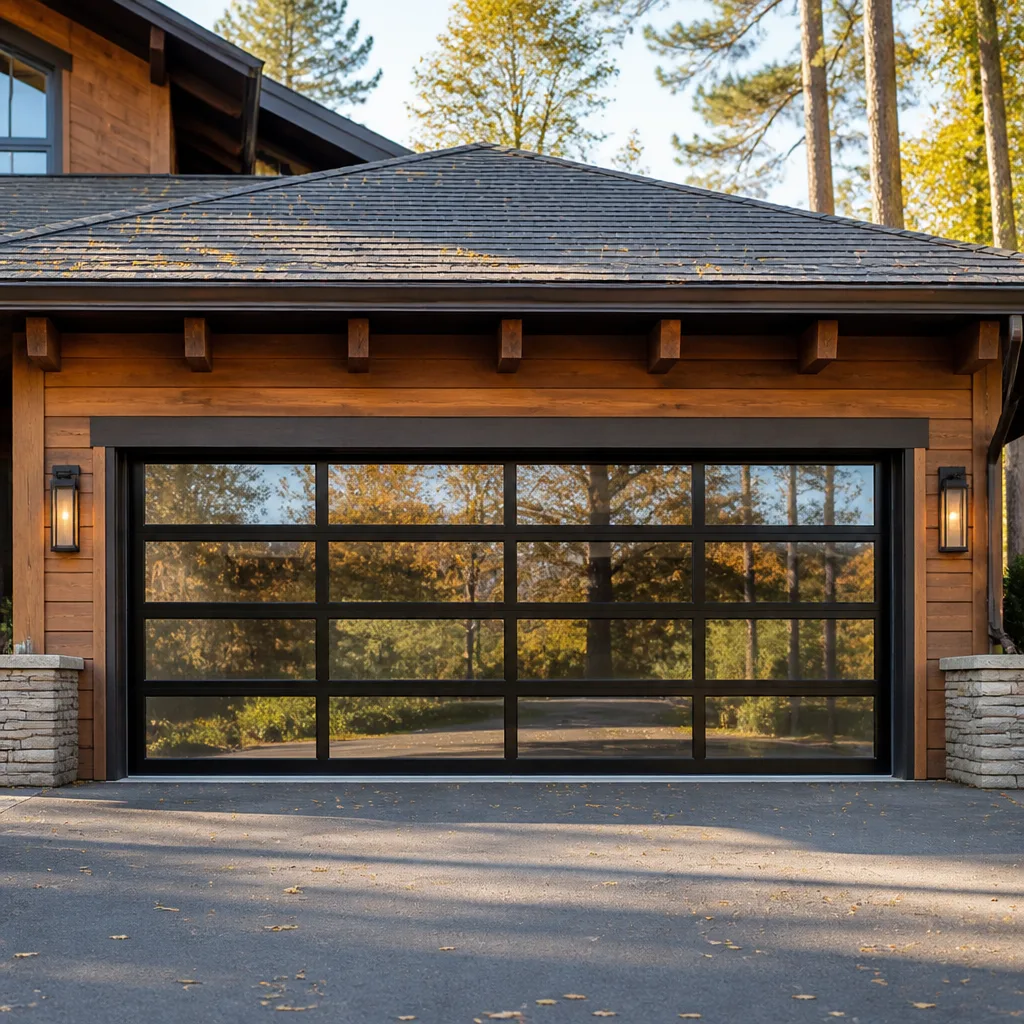 Full-view glass
 LiftMaster openers
 Chamberlain openers
Full 25-point door and opener safety check with every visit - springs, cables, rollers, tracks, and your LiftMaster or Chamberlain opener included
You get a price before we start. It does not change when the pro arrives.
Get your free estimateGarage Door Permits, Codes & Inspections in Columbia, SC: What You Need to Know
Most homeowners in Columbia assume that replacing a garage door is a no-permit job. Many contractors let them keep believing it, because pulling a permit takes time and paperwork. But South Carolina’s residential building code, along with the rules in Richland and Lexington counties, has specific triggers that turn a simple door swap into a permitted project. And when that step gets skipped, it doesn’t just risk a fine. It can surface as an unpermitted improvement on a home inspection report, which gives a buyer leverage to renegotiate or walk at closing. This guide covers when a permit is actually required, how wind load requirements affect door selection, what an inspector looks for, and how to deal with unpermitted work a previous owner left behind.
Quick Answer
In Columbia and Richland County, a garage door replacement generally requires a building permit when the work involves structural changes: resizing the opening, replacing or altering the header, changing the framing, or installing a door that requires new anchoring into the structure. A straight like-for-like swap of a door and opener in the same opening, with no structural modification, often does not. The exact line depends on your jurisdiction and the scope of the job, so confirm with the city’s building department before work begins. The written estimate should state clearly whether permits are included and who pulls them.
Styles & brands we work with
- Raised-panel steel
- Carriage house
- Modern flush
- Full-view glass
- LiftMaster openers
- Chamberlain openers
Table of Contents
- When Is a Permit Required in Columbia and Richland County?
- When You Don’t Need a Permit
- How South Carolina Wind Load Requirements Affect Door Selection
- What a Code-Compliant Install Looks Like: Header, Tracks, and Opener
- What an Inspector Actually Checks
- Contractor vs. Homeowner Responsibility for Permits in SC
- How to Permit Work a Previous Owner Left Undone
- What This Means When You Sell Your Columbia Home
When Is a Permit Required in Columbia and Richland County?
A garage door replacement in Columbia needs a permit when the project touches the structure of the opening, not simply the door itself. The threshold criteria come down to whether the work changes the building’s framing, its load path, or the size of the opening.
These are the situations that typically trigger a permit:
- Resizing the opening. Widening or heightening the garage door opening changes the header span and needs engineering review.
- Replacing or modifying the header. The header is the structural beam above the opening that carries the load of the wall. Any change to it is structural work.
- Reframing or repairing the rough opening. If rot, termite damage, or settling has compromised the framing around the door, the repair goes beyond a door swap.
- Changing the door type in a way that affects anchorage. A heavier door, a different track configuration, or a door that needs new anchor points in masonry or framing can trigger a permit.
- Adding a new opening entirely. Converting a solid wall into a garage door opening is new construction, not replacement.
The permitting authority depends on where in the Columbia area you live. Properties inside the city limits fall under the City of Columbia’s building department. Properties in unincorporated Richland County go through Richland County, and Lexington County properties follow Lexington County’s process. Each has its own forms and review timelines, and each applies the same underlying South Carolina residential code.
We tell homeowners in Columbia the same thing every time: the fastest way to get a definitive answer is a phone call to your jurisdiction’s building department with the scope of work in hand. Describe the job in plain terms, ask whether a permit is required, and write down the name of whoever you spoke with. That one call removes all the guesswork.
When You Don’t Need a Permit
A like-for-like replacement usually doesn’t require a permit. If the new door goes into the exact same opening, at the same size, with the same anchoring into sound framing, and no structural member is altered, most jurisdictions treat it as a maintenance replacement rather than a construction project.
The same logic applies to these common jobs:
- Replacing a broken torsion spring or extension spring.
- Replacing rollers, hinges, cables, or the bottom seal.
- Replacing a garage door opener with a new unit that mounts to the existing header and uses the existing electrical outlet.
- Realigning tracks that have been knocked out of plumb, as long as no framing repair is needed.
- Replacing a damaged panel on a sectional door with a matching panel.
That said, “no permit” doesn’t mean “no standards.” A door installed without a permit still has to be installed correctly, and the wind load requirements described below apply to every garage door installation in South Carolina regardless of whether a permit was pulled. If a contractor tells you no permit is needed and then proposes cutting into the header to make a bigger door fit, the answer changes. Ask questions until the scope of work is clear. That’s what we mean by no hidden complexity: you should know exactly what’s being proposed before anything is ordered or installed.
How South Carolina Wind Load Requirements Affect Door Selection
South Carolina’s building code assigns wind exposure categories across the state, and those categories determine the minimum wind load rating a garage door must meet in a given location. This is the part most homeowners never hear about, and it has a bigger effect on which door you can buy than on how it gets installed.
A garage door is the largest moving component of a house, and on a wall that faces the weather it takes wind pressure across its full surface. The code’s wind load requirements exist because a door that fails under pressure doesn’t just break. It opens the garage to the elements and can compromise the structure behind it. Columbia sits inland, well away from the coast, so the required ratings here are generally lower than what’s mandated in coastal counties, but “lower” is not “none.” A door still has to be rated for the wind pressures applicable to its location, and the rating has to match the size of the opening and the anchorage used.
What this means in practice:
- Door selection comes first. The wind rating a manufacturer publishes for a specific door model and size determines whether it’s acceptable for a given opening. Two doors that look identical in a showroom photo can carry different ratings.
- Reinforcement matters. Many residential doors require added struts or heavier gauge sections to meet a higher wind rating. That changes the price and the install.
- Anchorage matters. The door’s rating assumes it’s fastened into framing that can carry the load. A door rated correctly but bolted into deteriorated wood isn’t compliant.
- Brand range helps. Premium lines from Clopay, Amarr, Wayne Dalton, and Raynor publish wind load documentation for their models, and so do widely available lines. Working across a range of manufacturers means we can match a door’s published rating to the opening instead of forcing one brand to fit every situation.
If you’re choosing a new door in Columbia, ask for the manufacturer’s wind load documentation for the specific model and size being quoted. A contractor who can’t produce it is guessing.
What a Code-Compliant Install Looks Like: Header, Tracks, and Opener
A code-compliant garage door installation comes down to three things: a sound header, correctly anchored tracks, and an opener installed to the manufacturer’s instructions and the electrical code. Everything else follows from those.
The header. The header above the opening carries the load of the wall and roof above it. A compliant install confirms the header is sound before the door goes up, that it’s sized for the opening, and that it hasn’t been compromised by rot, moisture, or a previous modification. In Columbia’s humid summers, wood around a garage opening takes a beating, and it’s common to find soft framing that looks fine from the driveway. If the header needs repair, that repair is structural work and should go through the permit process.
The tracks and anchoring. Vertical and horizontal tracks must be plumb, level, and fastened into framing rather than drywall or paneling alone. Anchors need to be the correct type for the substrate, whether that’s wood framing, masonry block, or brick veneer. The door’s counterbalance system, springs, cables, and drums, must be matched to the door’s weight. A door that’s been balanced with the wrong springs puts load on the opener and the tracks, and it’s a failure waiting to happen.
The opener. An opener must be mounted to structure, not to a bracket hanging in drywall. If a new circuit or outlet is required, that’s electrical work, and in most jurisdictions electrical work requires a licensed electrician and its own permit. Smart openers from LiftMaster or Chamberlain that tie into a home network need a stable power source and, in most cases, a properly installed wall control and safety reversing system. The safety reverse has to be tested and adjusted so the door reverses on contact with an obstruction, and the photo-eye sensors have to be mounted per the instructions and aligned. An inspector will check all of it.
One safety note deserves its own line: torsion springs and the cables under tension are the most dangerous parts of any garage door system. They can cause serious injury, and adjusting or replacing them is not a homeowner task. We always recommend a trained professional for anything involving the springs, cables, or drums.
What an Inspector Actually Checks
An inspection for a permitted garage door installation is a focused review, not a full-home inspection. The inspector is verifying that the work matches the permitted scope and meets the code requirements that apply to it.
Here’s what typically gets checked, in order:
- Permit and approved plans. The inspector confirms the permit is on record and the work matches what was described.
- The opening and framing. The rough opening dimensions, header condition, and any framing changes get a visual review.
- Anchorage. Track brackets and door hardware anchor points are checked for fastener type, spacing, and soundness of the material they’re fastened into.
- The door and its components. The door sections, hinges, rollers, and the counterbalance system are checked for correct assembly and operation.
- Wind load documentation. For permitted installations in areas with a required rating, the door’s published rating and the install details that support it may be requested.
- The opener and safety systems. The opener’s mounting, the wall control, and the safety reverse and photo-eye function get tested. If new electrical work was part of the job, that gets its own inspection.
- Final operation. The door is cycled open and closed to confirm it runs smoothly, balances correctly when disconnected from the opener, and reverses properly on obstruction.
We’ve learned that the smoothest inspections are the ones where the paperwork is done before the door arrives. Matching the model and size to the opening, keeping the manufacturer’s documentation with the permit file, and installing to the instructions removes almost every surprise. When a door is installed correctly, inspection day is a formality.
Contractor vs. Homeowner Responsibility for Permits in SC
In South Carolina, the permit is generally pulled by the contractor performing the work, in the contractor’s name, because the licensed party is the one responsible for code compliance. That’s the normal arrangement, and it’s the one that protects you.
Here’s why it matters. A permit pulled in a contractor’s name creates a record that the work was inspected and approved, and it ties the work to a licensed party. A permit pulled in the homeowner’s name, or no permit at all, shifts the responsibility onto you. If the installation fails an inspection later, or if a buyer’s inspector flags it during a sale, you’re the one holding the problem.
Before any garage door work begins, ask these questions and get the answers in writing:
- Is a permit required for this scope of work, and who is pulling it?
- Is the permit cost included in the estimate, or billed separately?
- Will the permit be closed out with an approved inspection before final payment?
- If a final inspection requires a change, who covers the cost of that change?
A contractor who can’t answer those four questions clearly is telling you something. In our experience, the permit question is a good filter for the rest of the job. Anyone who glosses over it on a structural change is probably glossing over other things too.
How to Permit Work a Previous Owner Left Undone
Discovering that a previous owner replaced a garage door, or added one entirely, without a permit is a common situation when buying or refinishing a Columbia home. The good news is that it’s usually fixable, and it’s better to fix it before a sale than during one.
The general process looks like this:
- Check the permit history. Start with your jurisdiction’s building department, City of Columbia, Richland County, or Lexington County depending on your address. Ask for the permit history on your property and whether any open permits exist. Open permits are a separate issue and should be resolved first.
- Document what was done. Note the door size, the brand and model if it’s still identifiable, the opening dimensions, the framing, and any electrical work. Photos help.
- Ask about a retroactive permit. Many jurisdictions allow a permit to be applied for after the fact, sometimes called a permit for existing work. The application process usually requires a plan review and inspection of the existing work.
- Have a professional assess it first. Before applying, have a garage door technician inspect the installation for structural issues, incorrect anchorage, or undersized hardware. It’s better to know what an inspector will find before you file.
- Correct what needs correcting. If the installation doesn’t meet current requirements, repairs may be needed before the permit can be approved. The door may need reinforcement, better anchorage, or replacement of components.
- Complete the inspection. Once the work is corrected and the permit is issued, the inspection closes it out and you have documentation for future buyers.
One word of caution: if a previous owner added a garage door opening that wasn’t structurally designed for it, or modified the header, that’s not a paperwork problem. It’s an engineering problem, and it should be reviewed by a professional before you buy or file.
What This Means When You Sell Your Columbia Home
Unpermitted garage door work can come back to you through the home inspection during a sale. A garage door is one of the things every buyer’s inspector looks at, and if the work shows signs of being done without a permit, or without proper framing or anchorage, it goes on the report.
What happens next depends on the buyer. Some will accept it with a request for a credit. Some will ask for repairs before closing. Some will walk. The most expensive scenario is finding out at the negotiating table, when you have less leverage and a deadline.
The better approach is to handle it before the house goes on the market. If you’re planning to sell a Columbia home and the garage door was replaced, added, or substantially modified by anyone other than you, ask for the permit history and pull it now. If a permit was never obtained, get one. If the door needs correction to pass inspection, correct it. A closed-out permit with a passed inspection is one less item on the buyer’s report, and one less reason for a renegotiation.
For homeowners staying put, the logic still holds. A correctly permitted, correctly installed door is easier to maintain, less likely to fail, and easier to repair when something does break. The permit is a record that the work was done right.
Common Mistakes to Avoid
- Assuming all door replacements are permit-free. A straight swap often is, but resize the opening or touch the header and you’re in structural territory. Ask your building department before work begins, not after.
- Letting the contractor talk you past the permit. If a contractor tells you a permit isn’t needed for a scope that clearly involves framing or resizing, that’s a red flag. Ask for the reasoning in writing.
- Ignoring wind load ratings. Choosing a door purely on appearance, then discovering it isn’t rated for the opening, means starting over. Match the door’s published rating to the opening before ordering.
- Pulling the permit in your own name. The permit should normally be in the contractor’s name, because the licensed party is responsible for compliance. When you pull it, you own the problems.
- Skipping the header inspection. In Columbia’s humid summers, wood framing around a garage opening can soften without visible symptoms. Replacing a door on a compromised header puts new weight on old problems.
- Treating an unpermitted previous install as someone else’s issue. It becomes your issue at sale. Check the permit history when you buy or refinance.
- Ignoring open permits on the property. An open permit from any prior work can hold up a sale or a new permit. Resolve it before you start a new project.
See the difference
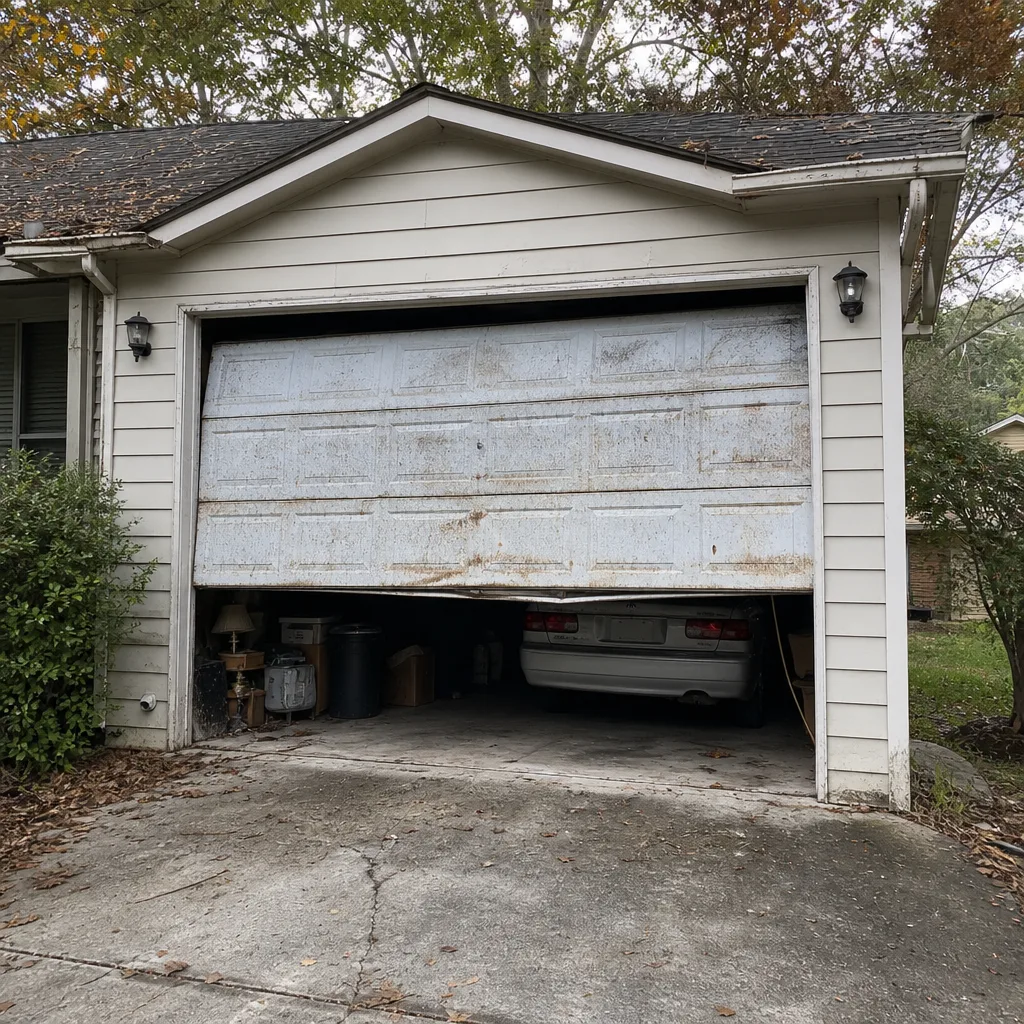 Before
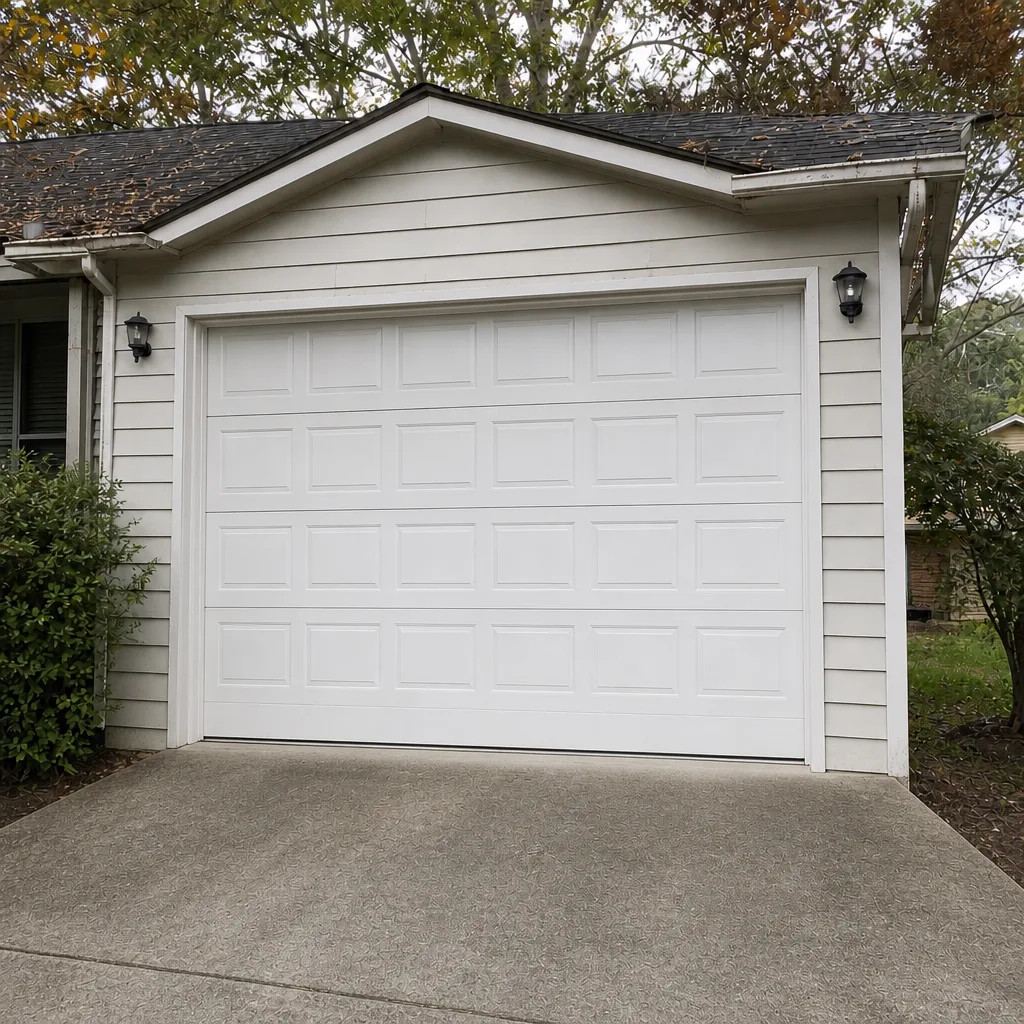 After
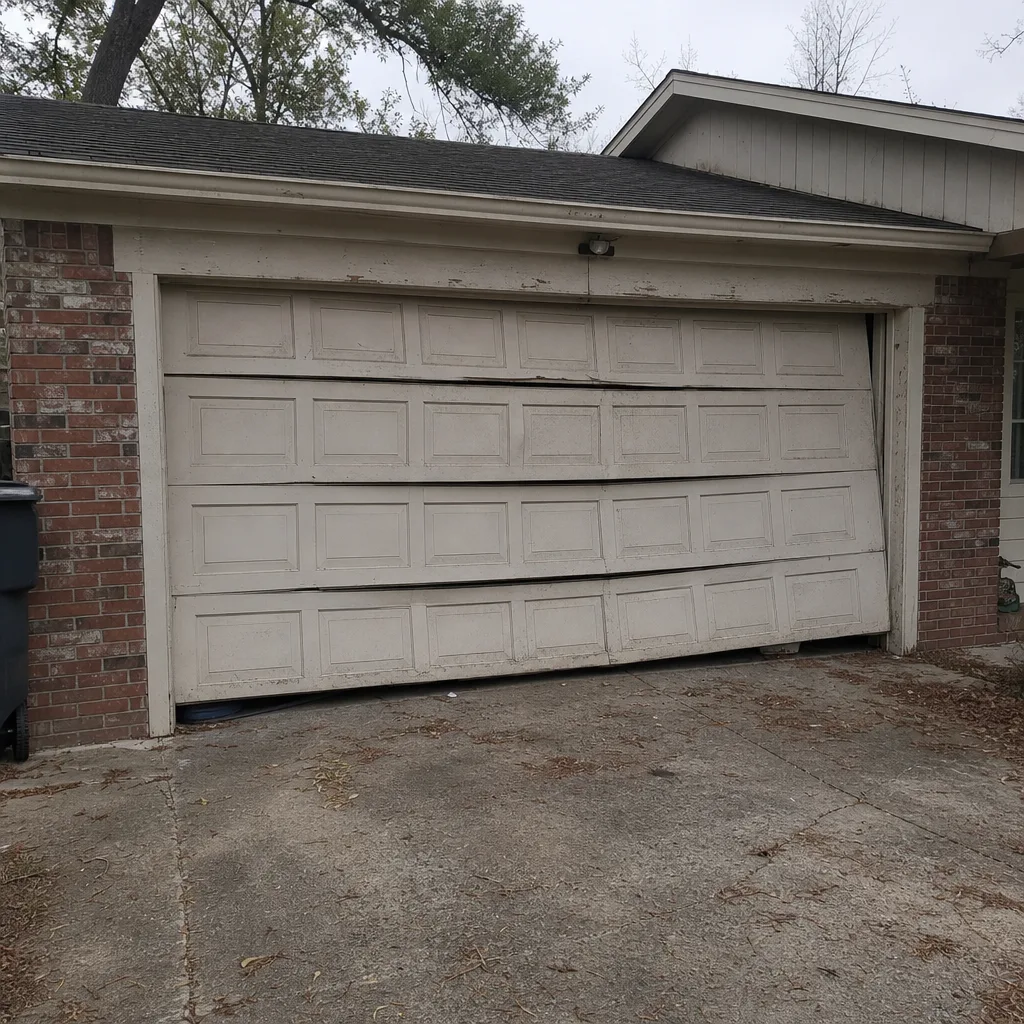 Before
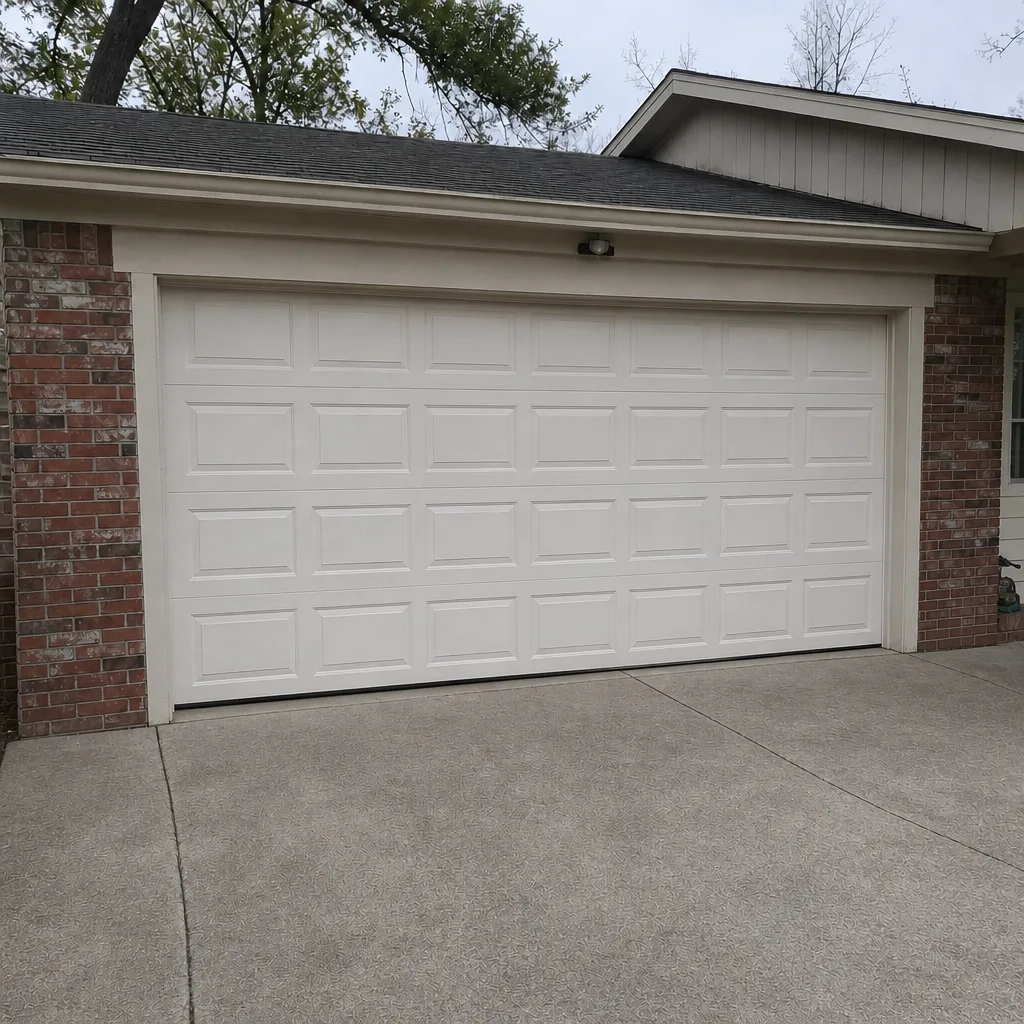 After
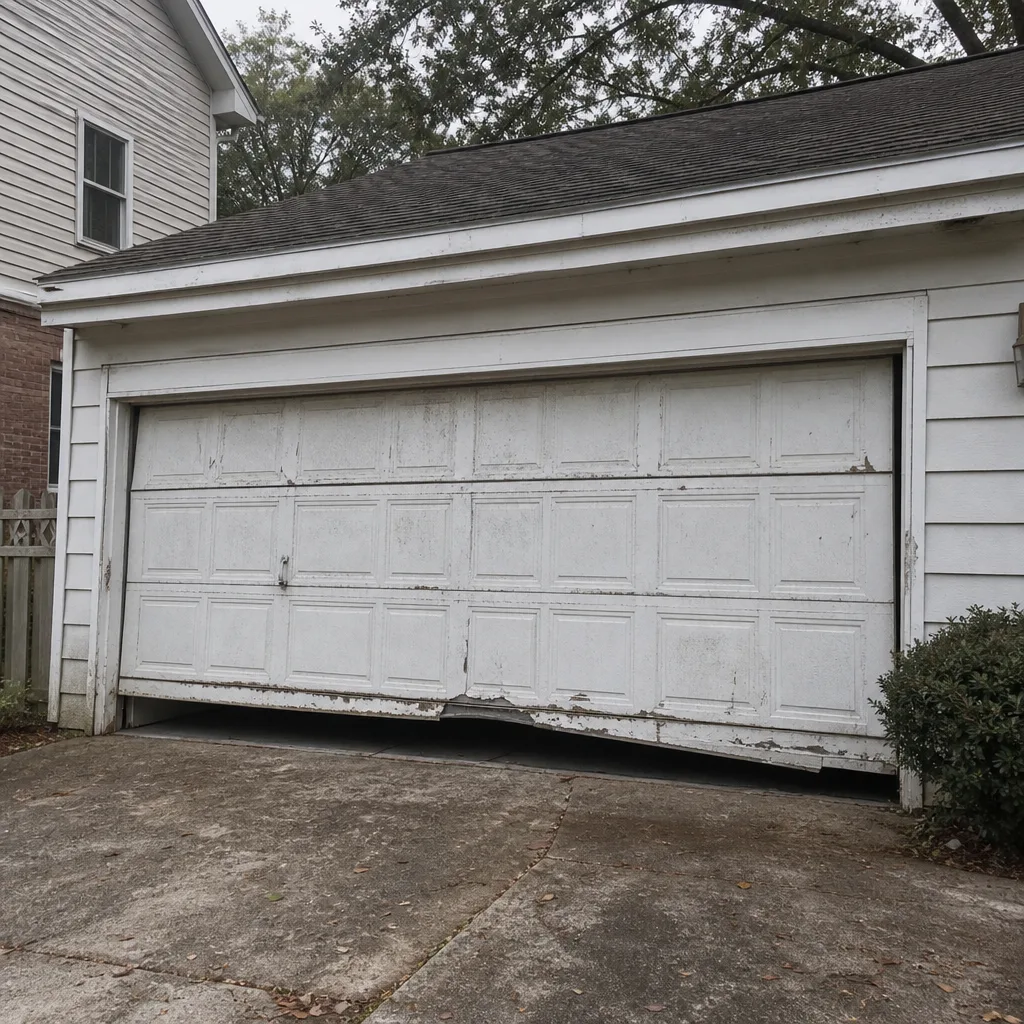 Before
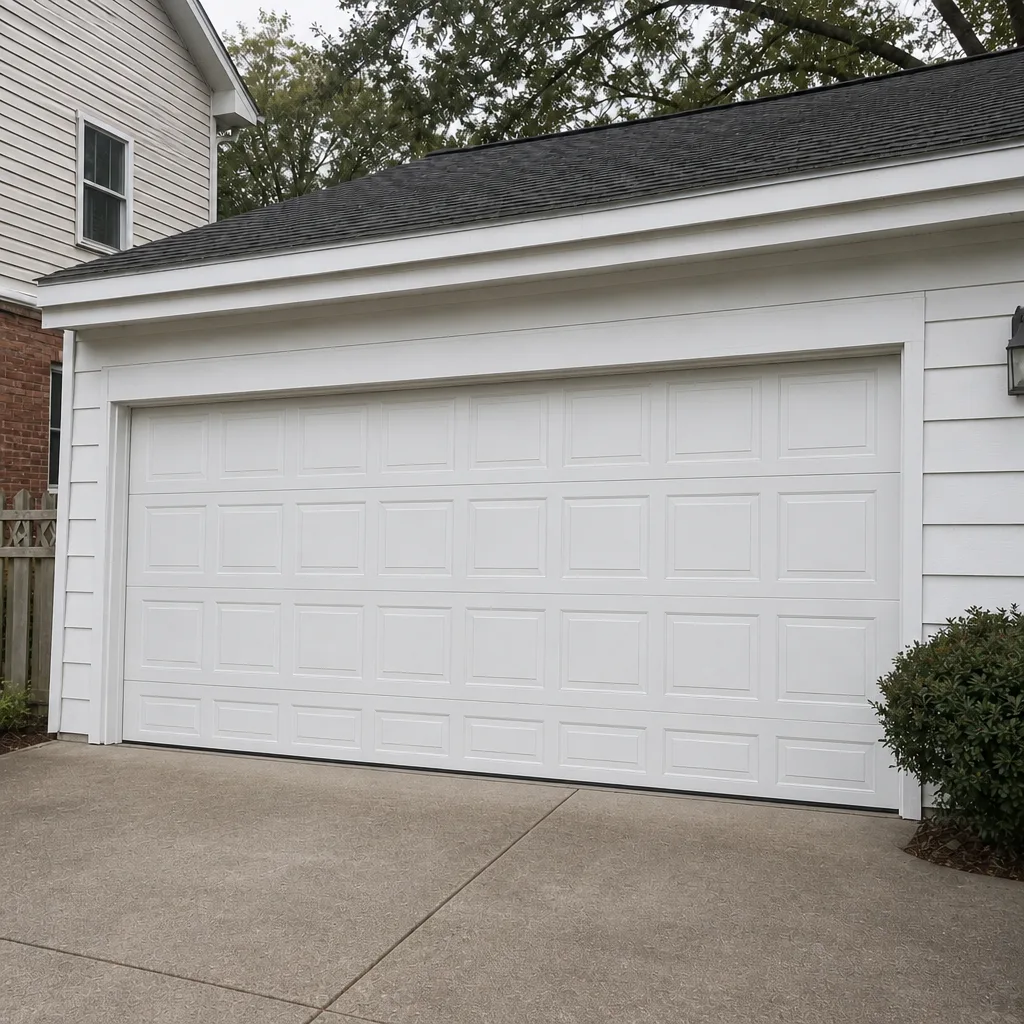 After
When to Call a Professional
Some garage door questions are worth a phone call rather than a weekend of research. If you’re planning to resize an opening, replace a header, or add a door where there wasn’t one, get a professional assessment before you apply for a permit. If a previous owner’s install needs correction to pass inspection, a technician can tell you exactly what will fail and what it takes to fix it. If a door is binding, the springs are failing, or the opener is struggling, don’t wait for a bigger repair. And if you’re choosing a new door and want to match the wind load rating to your opening without guesswork, that’s what we do. Clarity Garage Door Service offers free estimates in Columbia. Call (833) 391-2958. We answer 24/7, with fast dispatch from 7am to 7pm, Sunday through Friday.
For day-to-day failures rather than code questions, our garage door repair specialists cover springs, cables, tracks, and hardware, and our garage door opener repair team handles everything from a LiftMaster that’s lost its programming to a Craftsman opener that won’t reverse. If you’re still deciding on a new door, start with our Clarity Garage Door Service home page to see the full service range, or read more about how we work in Columbia.
Frequently Asked Questions
It depends on the scope. A like-for-like replacement in the same opening without structural changes usually does not require a permit. Resizing the opening, replacing or modifying the header, reframing, or changing the anchoring in a way that affects the structure generally does. Confirm with your jurisdiction, either the City of Columbia, Richland County, or Lexington County, before work starts. Call (833) 391-2958 for a free estimate and we’ll help you sort out what your scope likely requires, with the final word coming from your building department.
The contractor performing the work normally pulls the permit in South Carolina. That’s because the licensed party is the one responsible for code compliance, and a permit in the contractor’s name ties the work to a licensed business with an inspected record. Pulling the permit yourself shifts the liability onto you. Ask any contractor in writing whether the permit is included in the estimate and who pulls it. Call (833) 391-2958 for an estimate that spells this out clearly.
It can surface on the buyer’s home inspection report and give the buyer leverage to renegotiate, request repairs, or walk away. The better approach is to check your permit history before listing the house. If a permit was never obtained, many jurisdictions allow you to apply for a retroactive permit so the work can be inspected and closed out. Call (833) 391-2958 to have the installation assessed before you file.
A garage door must meet the wind load rating that applies to its location, and that rating changes which door model and size is acceptable for your opening. In Columbia, which is inland, the required ratings are generally lower than in coastal counties, but the requirement still applies. The rating also depends on reinforcement and anchorage. Ask for the manufacturer’s wind load documentation for the specific model and size being quoted. Call (833) 391-2958 and we’ll help you match a rated door to your opening.
Usually yes, as long as the new opener mounts to the existing header and uses the existing electrical outlet. If the job requires a new circuit or outlet, that electrical work generally requires a licensed electrician and its own permit. The opener itself still has to be installed per the manufacturer’s instructions, including the safety reverse and photo-eye alignment, and an inspector will check those on a permitted job. Call (833) 391-2958 for a free estimate on your opener replacement.
An inspector checks that the work matches the permitted scope, that the header and framing are sound, that tracks are anchored correctly into framing rather than drywall, that the door and counterbalance system are assembled properly, that wind load documentation is in order where required, and that the opener and safety systems function correctly. The door is cycled open and closed, and the safety reverse is tested. Call (833) 391-2958 if you want an installation assessed before filing for a permit.
The Bottom Line
A garage door replacement in Columbia is sometimes permit-free and sometimes not, and the dividing line is structural. A straight swap in the same opening usually doesn’t need one. Resizing, header work, or reframing usually does. South Carolina’s wind load requirements affect which door you can buy, not just how it’s installed, so match the door’s published rating to the opening before you order. Permits should normally be pulled in the contractor’s name, so the licensed party carries the responsibility for compliance. And if you’re planning to sell a Columbia home, check the permit history before the buyer’s inspector does. For a free estimate on any garage door project, call (833) 391-2958. We answer 24/7. Fast dispatch from 7am to 7pm, Sunday through Friday.
Written by the team at Clarity Garage Door Service.