
Last updated November 15, 2026
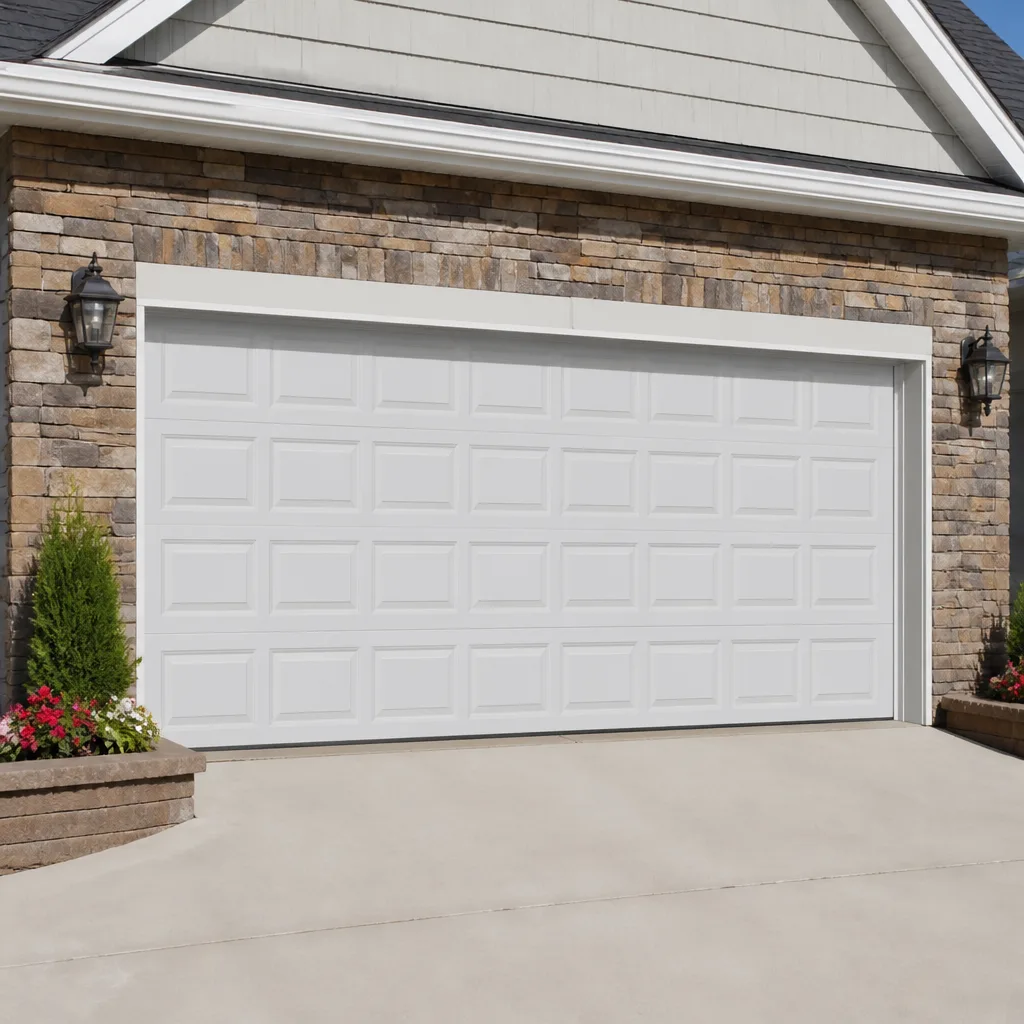 Raised-panel steel
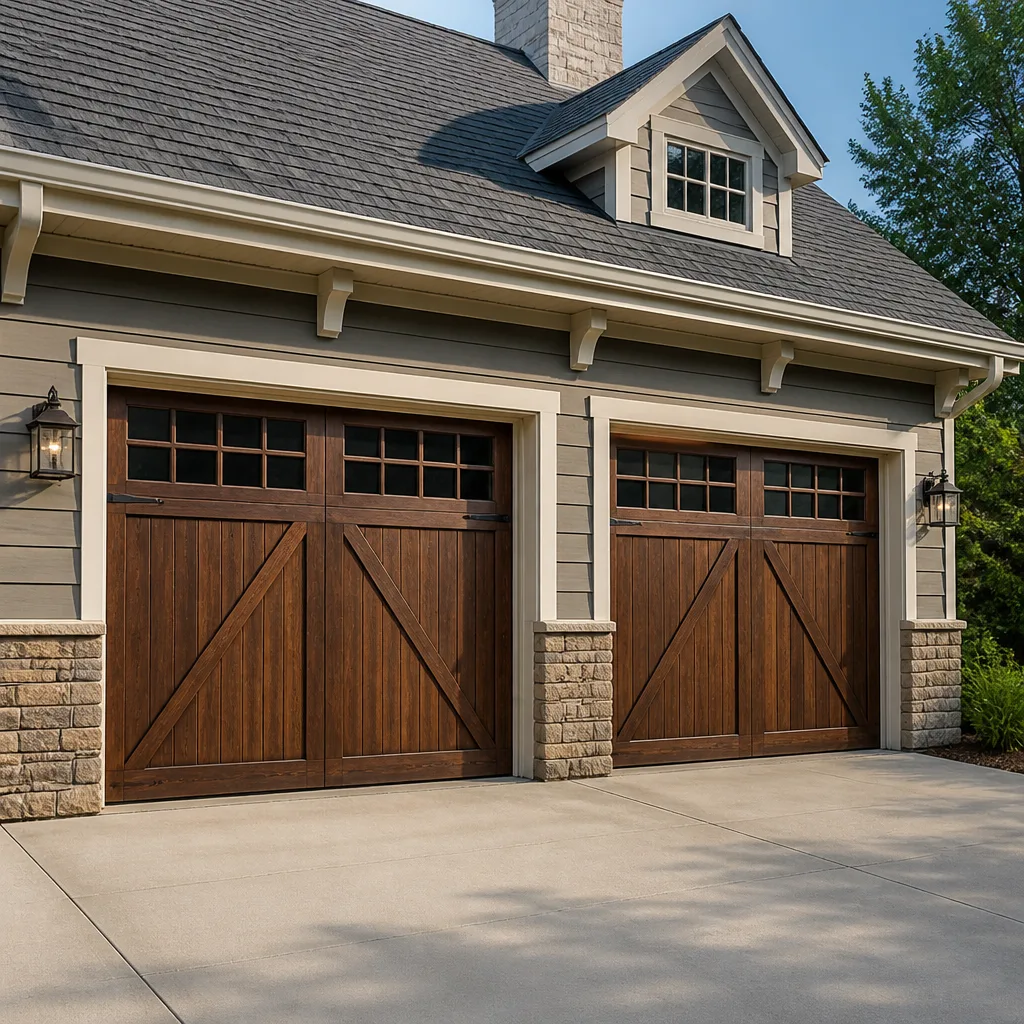 Carriage house
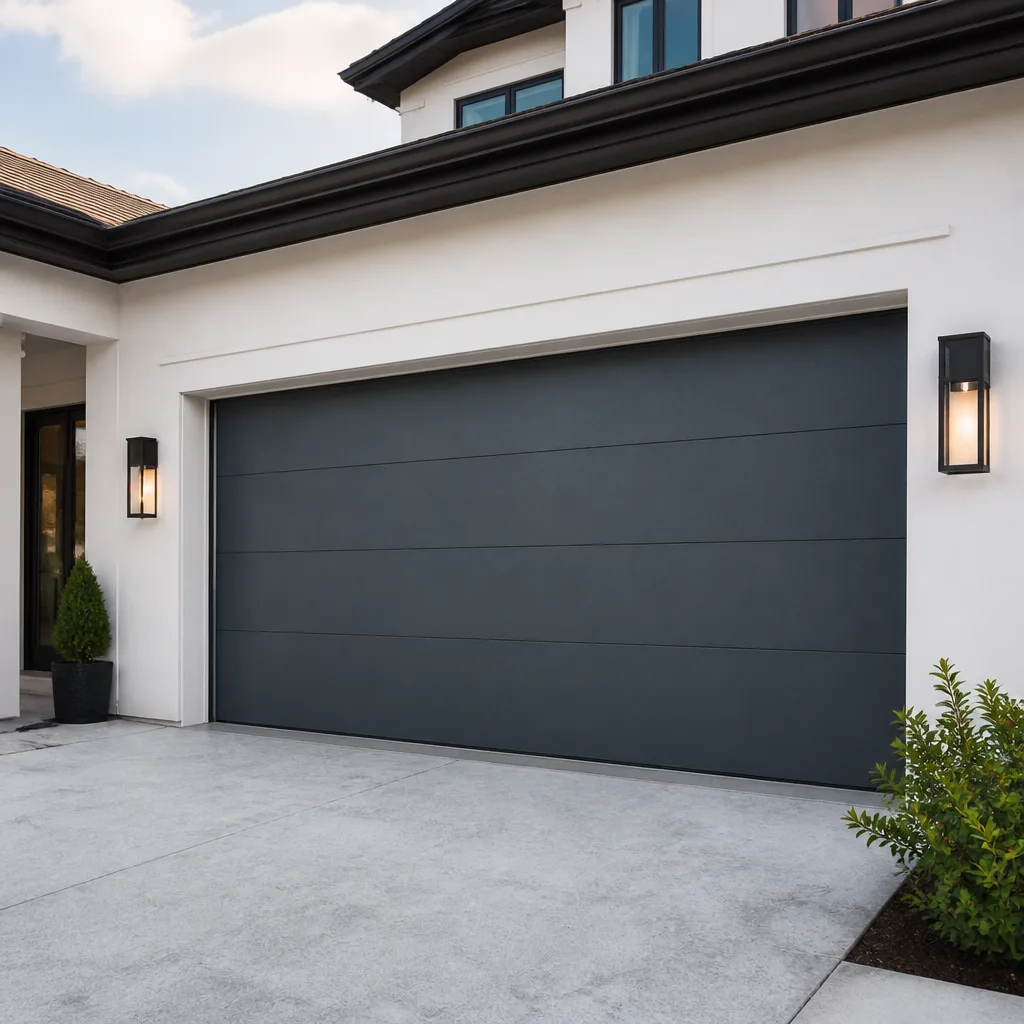 Modern flush
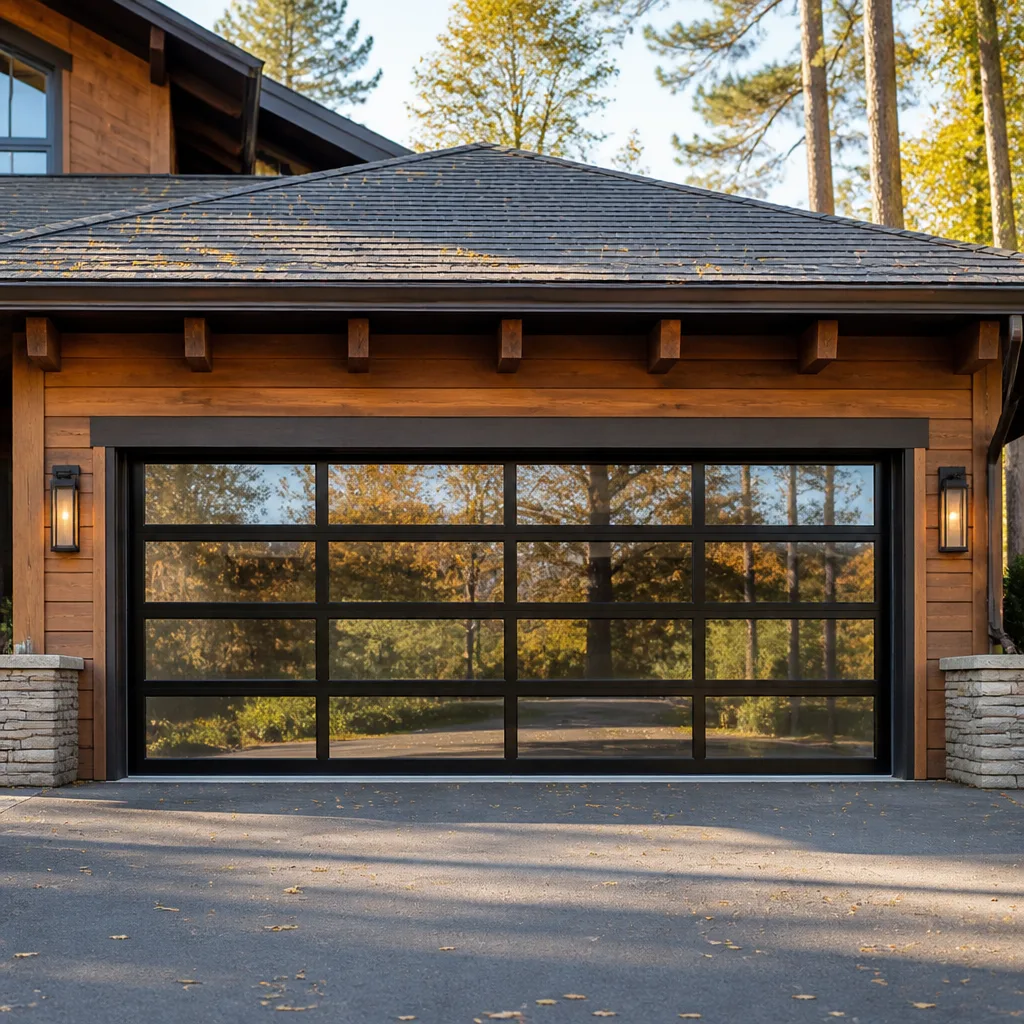 Full-view glass
 LiftMaster openers
 Chamberlain openers
Full 25-point door and opener safety check with every visit - springs, cables, rollers, tracks, and your LiftMaster or Chamberlain opener included
You get a price before we start. It does not change when the pro arrives.
Get your free estimateGarage Door Warning Signs: A Columbia Homeowner’s Reference Guide
A garage door that takes 1.2 seconds longer to open than it did six months ago is telling you something specific. Most homeowners don’t notice gradual changes, because a door fails slowly before it fails suddenly. The grinding that starts quietly in March is the same grinding that snaps a cable in August. What follows is a reference for reading those early signals, using sounds, timing and motion instead of waiting for the emergency. We’ll cover how to time your door, what each noise points to, how to check balance without touching a spring, and which warnings in Columbia mean call today versus call this month.
Quick Answer
Garage door warning signs are changes in sound, speed, motion or alignment that appear before a door stops working. In Columbia, the most common early signals are a door that opens slower than it used to, grinding or squealing during travel, a visible tilt at the top panel, and an opener that reverses before the door reaches the floor. Any warning involving a snapped cable, a broken spring, a door hanging off its tracks, or the opener pulling away from the ceiling is urgent. Everything else can usually be scheduled.
Styles & brands we work with
- Raised-panel steel
- Carriage house
- Modern flush
- Full-view glass
- LiftMaster openers
- Chamberlain openers
Table of Contents
- How to Time Your Garage Door: The Stopwatch Baseline
- Sound Taxonomy: What Grinding, Squealing, Popping and Clicking Tell You
- Visual Asymmetry Checks: Spotting an Out-of-Balance Door
- Urgent vs. Scheduled: Sorting Warning Signs by Risk
- Why Columbia Weather Changes the Warning Signs You See
- Brand-Specific Warnings: LiftMaster, Genie, Clopay and Chamberlain
- Opener Warnings: When the Problem Is Electronics, Not Hardware
- Spring and Cable Warnings You Should Never Test Yourself
How to Time Your Garage Door: The Stopwatch Baseline
Time your garage door twice a year and write the number down. That single habit does more for early diagnosis than any inspection you can do by eye, because a door slows down gradually and your memory adjusts with it.
Here’s how to build the baseline:
- Use your phone’s stopwatch, not a count in your head.
- Start the timer the moment you press the button and stop it the instant the door settles fully open.
- Repeat three times and average the results. A single cycle can be thrown off by cold grease or a momentary hesitation.
- Do the same for closing, from fully open to fully seated on the floor.
- Record both numbers with the date in a note on your phone.
Most residential doors run a full open cycle somewhere in the range of 10 to 15 seconds, depending on door height and opener model. What matters more than the absolute figure is the trend. A door that has gained two seconds over six months is telling you that friction has increased somewhere: rollers, hinges, tracks or a spring that is losing tension. A door that has gained nothing but has started to stutter halfway is telling you something different, usually a logic board or travel-limit issue.
We ask homeowners for this number on the phone when we can, because it narrows the diagnosis before anyone arrives. It’s also the single most useful thing you can hand a technician if you’re booking garage door repair in Columbia. A stopwatch reading is objective. “It feels slower” is not, and it sends a technician in the wrong direction.
Sound Taxonomy: What Grinding, Squealing, Popping and Clicking Tell You
Garage doors are quiet machines when everything is working. They should produce a low, even hum from the opener and a soft roll from the hardware. Any new sound is a signal, and the type of sound narrows the component.
Grinding
Grinding usually comes from metal on metal contact in the travel path. Common causes are dry or seized rollers, a hinge that has lost its lubrication, or a track that has bent slightly out of line so the door edge drags against it. Grinding that gets louder toward one end of the travel points to a track issue rather than the rollers. Don’t ignore grinding for long; it accelerates wear on the rollers and can wear a groove into the track.
Squealing
A high squeal is almost always friction, not damage. Rollers with dry bearings, torsion springs that need lubrication, or a chain-drive opener running a dry chain all squeal. On a Wayne Dalton door with older nylon rollers, a squeal during the first third of opening is common as the rollers break free of their resting position. Lubrication often resolves it, but if the squeal returns within weeks, something is binding and forcing the rollers to work harder.
Popping
A pop, especially one that happens at the same point in every cycle, is a warning worth taking seriously. It can be a torsion spring slipping on its shaft, a cable jumping a drum, or a hinge plate that has loosened and is shifting under load. Popping on a door that has also started tilting is a sign of a spring or cable problem, and that combination is urgent. Stop cycling the door and call.
Clicking
Clicking that comes from the ceiling unit rather than the door is usually electrical. A relay in the opener, a worn gear in a chain-drive Genie, or a logic board struggling to hold its travel limits all click. Clicking from the door itself is usually a loose hinge or a roller with a flat spot. Record where the sound comes from; “the ceiling” versus “the door” saves a diagnostic step later.
Visual Asymmetry Checks: Spotting an Out-of-Balance Door
A garage door that is out of balance will damage its opener, and it will do it slowly enough that you don’t connect the two events. The opener is designed to lift a door that is mostly carrying its own weight. When a spring weakens, the opener takes on that load, runs hotter, and fails earlier than it should. Catching the imbalance early saves the opener.
These are the asymmetry checks that don’t require touching anything under tension:
- Look at the gap at the floor. Close the door and stand back. If one corner meets the floor and the other sits a finger’s width high, the door is not level.
- Watch the top panel line. Open the door a few feet and stop it. The horizontal lines of the panels should stay parallel to the floor. A visible tilt at the top is a balance problem.
- Check the vertical gaps at the sides. A consistent gap on one side and a tight gap on the other means the door is racked or a track has moved.
- Listen for one side to lag. Stand to the side while the door opens. If one side of the door reaches each height noticeably before the other, a cable or spring is carrying uneven tension.
- Watch for a diagonal seam. If the door looks like a parallelogram rather than a rectangle, stop using it.
None of these checks require you to touch a spring, a cable or a drum. That matters, because the components that hold a door up are under extreme tension and are the most dangerous part of the system. If you spot an imbalance, book a service visit rather than trying to adjust anything yourself. In our experience, a door caught at the tilt stage usually needs a spring adjustment or replacement. A door left until the opener fails needs both.
Urgent vs. Scheduled: Sorting Warning Signs by Risk
Not every warning sign means a same-day call, and treating them all the same wastes your time and money. Here’s the sort we use when a homeowner describes a problem over the phone.
Urgent: stop using the door and call now
- A snapped or visibly frayed cable. The door can drop without warning.
- A broken torsion spring, usually announced by a loud bang and a door that won’t lift.
- A door that has come out of its tracks or is hanging at an angle.
- The opener mounting bracket pulling away from the ceiling or the header.
- A door that falls faster than it should when you disconnect the opener.
- Any popping sound combined with a visible tilt.
For the urgent category, keep people and vehicles clear of the door and call. We answer 24/7, and a call outside dispatch hours is booked into the next opening, Sunday through Friday, 7am to 7pm.
Scheduled: book a visit this week or month
- Grinding, squealing or new rattles that don’t affect how the door moves.
- A door that has slowed by a second or two but still opens and closes fully.
- An opener that reverses intermittently or loses its travel limits.
- Weather seal that has cracked or pulled away from the frame.
- A remote or keypad that works only at close range.
- A door that is slightly louder in cold weather but otherwise fine.
The scheduled category is where proactive work pays off. A door serviced at the squeal stage usually needs lubrication and a roller check. The same door run for another year often needs springs, rollers and an opener repair. Same-day service is available for the urgent list; the scheduled list is best handled with a booked appointment.
Why Columbia Weather Changes the Warning Signs You See
Columbia’s climate puts a specific kind of wear on garage doors, and knowing which warnings are seasonal helps you decide whether to act now or wait. Summers here are long, hot and humid, and the garage is the least ventilated room in most houses. That combination affects both the metal and the wood.
Humidity is the biggest factor. Steel door panels, hinges and track brackets corrode faster in a garage that holds moisture. Rollers with steel bearings seize rather than roll, which is why a door that was quiet in April can start grinding in July. Wood or wood-composite doors swell slightly in humid months, which shows up as a door that drags at the bottom corners. If your door only drags in summer, that’s a humidity signal, not a track problem, and it’s worth checking before it becomes permanent.
Heat affects springs. Metal expands and contracts, and torsion springs under tension in a garage that sees sustained high temperatures lose tension a little faster. This is why we ask Columbia homeowners whether a door is slower in the afternoon than in the morning. A daily pattern tied to temperature points to springs. A constant slowness points elsewhere.
Severe summer storms bring wind-driven rain against the door, and in Columbia that usually lands on the weather seal and bottom bracket rather than the panels. A seal that has hardened in the heat will let water past it. Check the seal after storm season each year and replace it when it cracks. It’s a small repair that prevents rust along the bottom section, which is the section most likely to fail first on a steel door.
Winter here is mild, but the temperature swings in a single week still matter. Metal contracts in a cold snap, and a door that has lost a little spring tension will suddenly feel much heavier for a few days. If your door is stiff only during cold spells, that’s an early warning, not a seasonal quirk.
Brand-Specific Warnings: LiftMaster, Genie, Clopay and Chamberlain
Warning signs aren’t generic. Different door and opener lines fail in characteristic ways, and knowing your brand narrows the diagnosis before anyone opens a toolbox. These are the patterns we look for on the brands we work with most often.
Clopay doors
Clopay steel doors hold up well, but their hinges and rollers are the first parts to announce wear on a door that sees daily use. On a Clopay with a decorative overlay or a carriage-house style face, listen for a rattle at the overlay panels. Those panels can loosen over time, and the rattle you hear is the face moving against the section, not the hardware. It’s a scheduled repair, not an urgent one, but it’s worth catching before the panel works itself loose.
Amarr doors
Amarr doors often use a slightly different roller and track tolerance than other brands, which means a track knocked out of alignment shows up as a scrape rather than a grind. If you hear a metallic scrape at the top of the travel on an Amarr, look at the horizontal track and the top bracket. That scrape is usually the top section’s edge catching the track curve.
Wayne Dalton doors
Wayne Dalton doors with the torquemaster-style spring system behave differently from a standard torsion setup. When that system loses tension, the door doesn’t usually announce it with a bang. It just gets heavier and slower, and the opener starts working harder. A gradual slowdown on a Wayne Dalton with no other symptom is worth a spring check rather than a wait-and-see approach.
LiftMaster and Chamberlain openers
These two share a lot of engineering, and their warning signs overlap. A LiftMaster or Chamberlain opener that starts reversing before the door reaches the floor is usually reporting a force-setting problem or an obstruction in the safety sensor path. Flashing lights on the unit are a code, not a decoration; count the flashes and tell us the number. On the newer connected models, a Wi-Fi opener that drops offline repeatedly is often an early sign of a failing logic board rather than a router problem, especially if other devices on the same network are fine.
Genie and Craftsman openers
Genie chain-drive units develop a characteristic rattle as the chain wears and stretches, and the rattle gets louder before the opener actually fails. Craftsman units from the older generation often develop a clicking relay before the board goes. Both are scheduled repairs if you catch them early, and both turn into “the door won’t open at all” if you don’t. If you’re hearing either sound, that’s the time to book garage door opener repair rather than wait for the failure.
Opener Warnings: When the Problem Is Electronics, Not Hardware
Homeowners often assume a door problem is a door problem. Sometimes it isn’t. The opener is doing more diagnostic reporting than most people realize, and its behavior tells you whether the fault is in the door, the opener or the safety system.
These are the opener behaviors worth watching:
- Reversing before the floor. The safety sensors are obstructed, misaligned, or the opener’s force limit is set too low. On a door that also drags, the opener is correctly sensing resistance.
- Stopping halfway. Usually a travel-limit setting that has drifted, or a logic board issue. It can also be a door binding at that exact height, which is a hardware problem showing up as an opener symptom.
- Running but not moving the door. The trolley has released, the gear has stripped, or the chain or belt has failed. On a chain-drive Genie, a stripped gear is the classic cause.
- Working from close range only. The remote battery, the antenna wire, or LED bulb interference in the garage. Newer LED bulbs are a common culprit and an easy thing to rule out first.
- Random opening. A stuck wall button, a neighbor’s remote on the same frequency, or a failing logic board. On older Craftsman units, a stuck button is the most common cause.
The key distinction: if the door moves smoothly by hand when the opener is disconnected, the problem is in the opener. If the door resists, the problem is in the door and the opener is just reporting it. That single test tells you which service to book, and it’s the first thing we ask about on a call. Our technicians have up to 8 years of experience, and the ones who work on garage door opener repair handle the connected and legacy systems on the LiftMaster, Chamberlain, Genie and Craftsman lines, including the Wi-Fi models that general handymen often can’t diagnose.
Spring and Cable Warnings You Should Never Test Yourself
Springs and cables are what hold a garage door up, and they’re under tension every second the door is closed. A torsion spring is wound to a specific number of turns, and a cable runs under hundreds of pounds of load. This is the part of the system where the DIY instinct is most dangerous and least useful.
The warnings to watch for, and to report rather than investigate:
- A visible gap in a torsion spring, or a spring that has visibly separated.
- A cable that is hanging loose, frayed, or off its drum.
- A door that won’t lift even with the opener disengaged.
- A loud bang from the garage followed by a door that feels extremely heavy.
- Springs that look unevenly wound, with one side tighter than the other.
If you see any of these, don’t attempt to lift the door by hand repeatedly and don’t try to adjust the spring or cable. Keep the door closed if you can, keep people clear, and call. A trained technician has the tools and the winding bars to release tension safely, and that’s not something you can substitute with a pair of vise grips. We say this plainly because it’s the one category of garage door repair where a mistake can cause serious injury.
There’s a related warning that’s less obvious: a door that closes completely but feels heavier than it used to when you lift it by hand. That’s a sign the spring has lost tension but hasn’t broken. It’s not urgent the way a snapped spring is, but it’s the stage where you can still save the opener, because the opener has been compensating for the loss. Book a spring check rather than waiting for the door to fail.
Common Mistakes to Avoid
- Waiting for a loud failure before booking service. Columbia’s humid summers accelerate roller and track wear, so a quiet grind in July becomes a snapped cable by September. A scheduled visit costs less than an urgent one.
- Trying to fix a spring or cable yourself. These components are under extreme tension, and a slip can cause serious injury. There’s no safe shortcut here; leave it to a trained technician.
- Oiling a door that’s out of balance. Lubrication quiets a squeal, but it doesn’t fix the spring problem causing the imbalance. The opener keeps working harder and fails later.
- Ignoring a flashing light on the opener. On LiftMaster and Chamberlain units the flash count is a diagnostic code. Counting the flashes and reporting them saves time on the visit.
- Adjusting the travel limits to compensate for a binding door. Homeowners sometimes raise the force setting instead of fixing the cause. That masks the problem and wears the opener out faster.
- Assuming every stall is an opener problem. In our experience, a door that resists by hand is a hardware issue, and the opener is simply reporting it. Diagnose the door first.
- Skipping the stopwatch baseline. A door that has slowed by a second or two over six months is telling you something specific. Without a recorded number, you’ll miss the trend.
See the difference
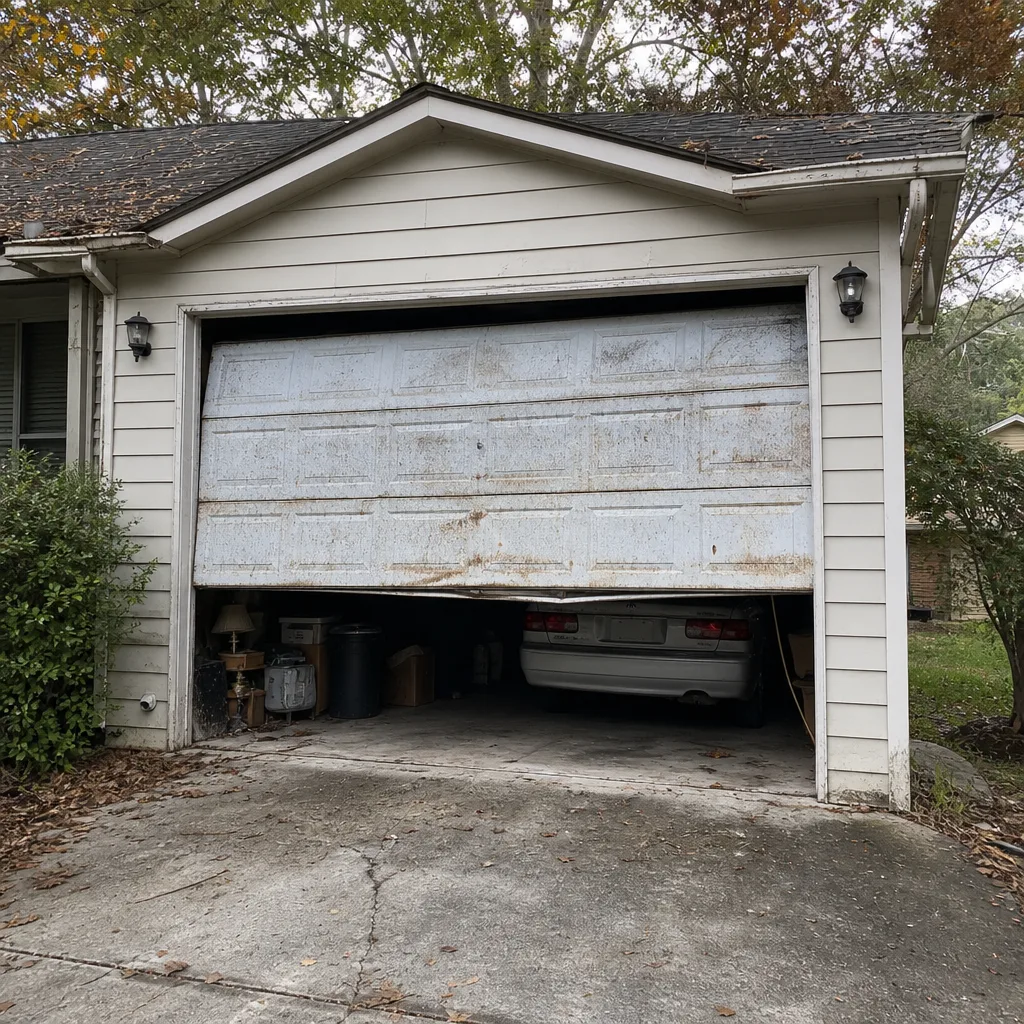 Before
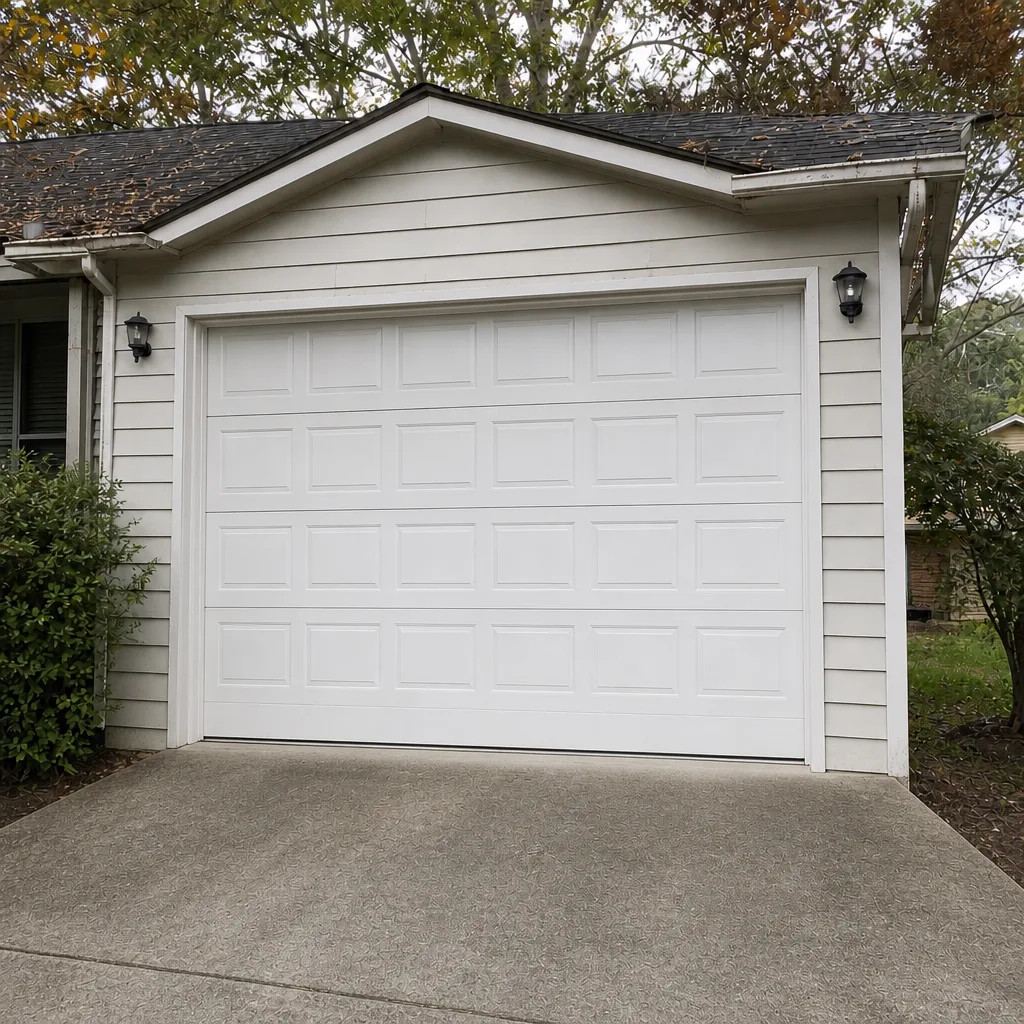 After
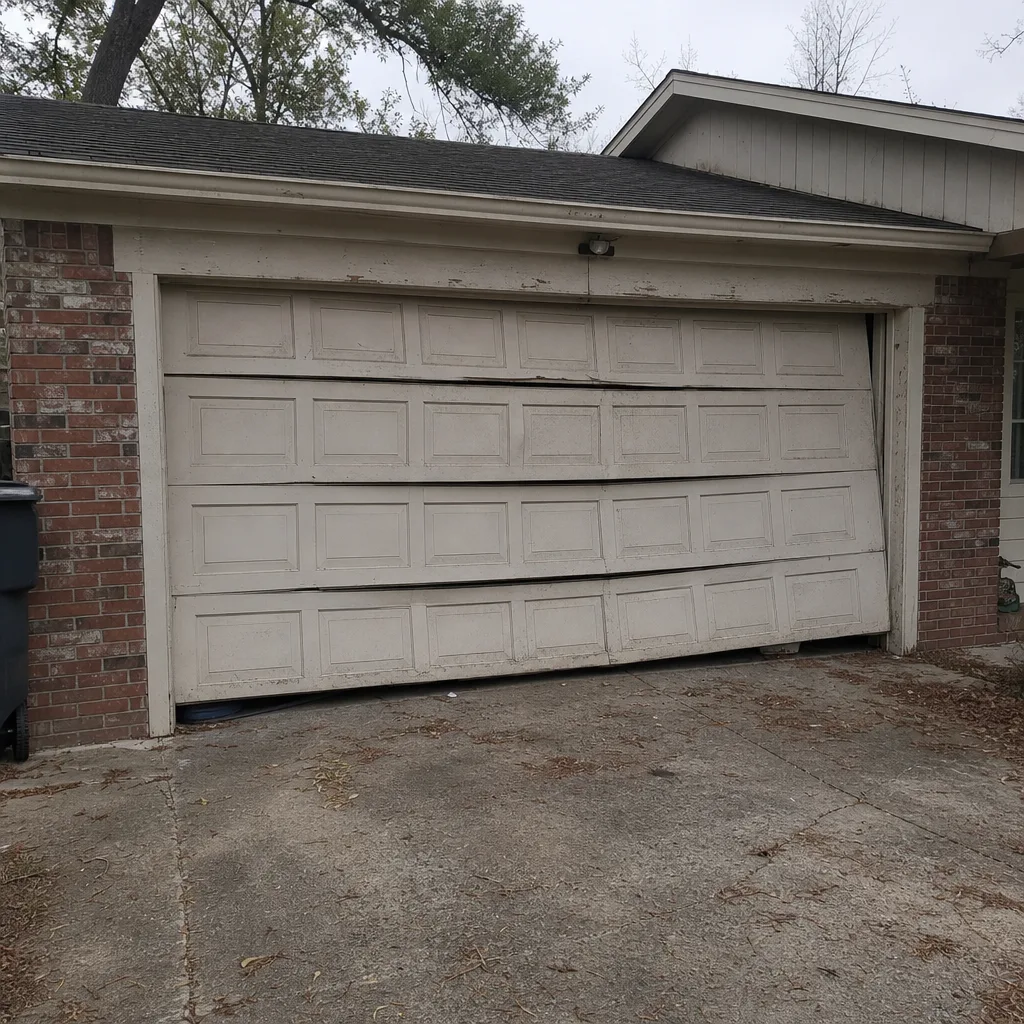 Before
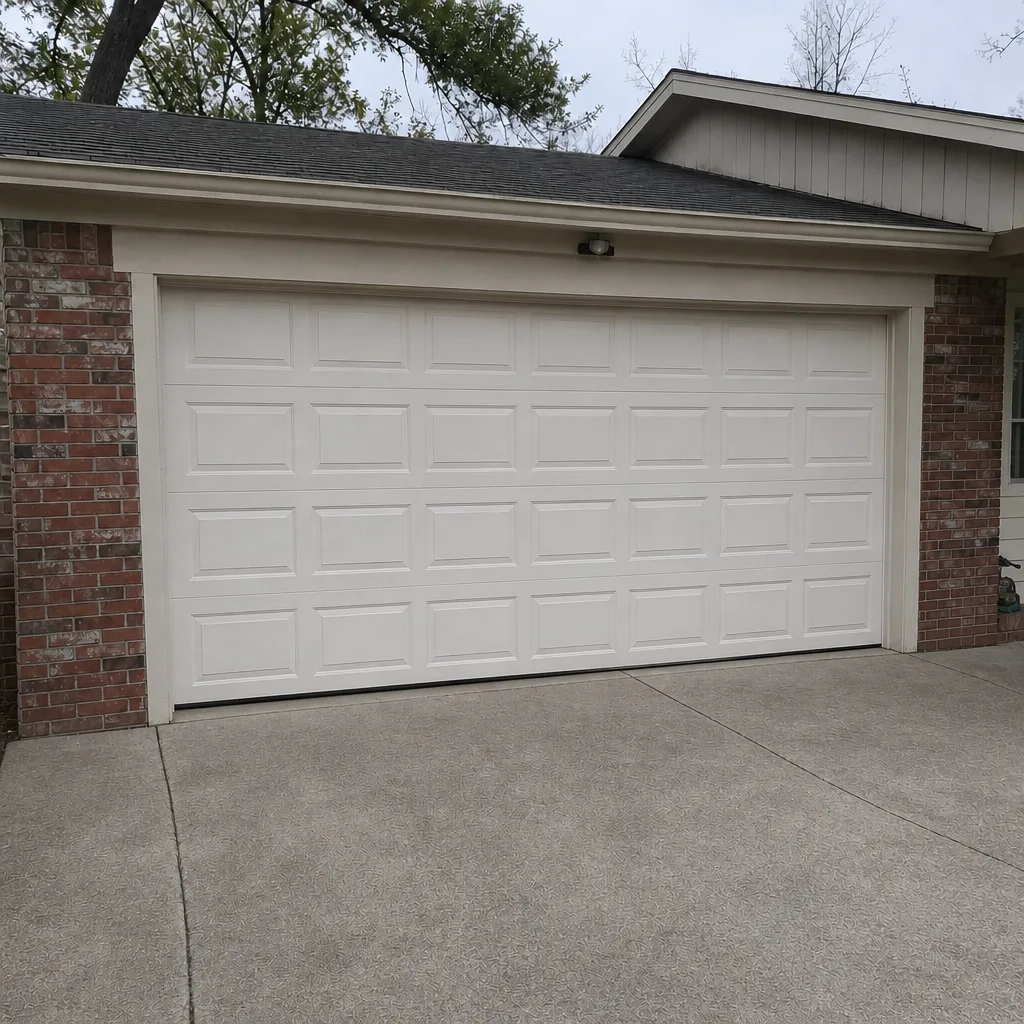 After
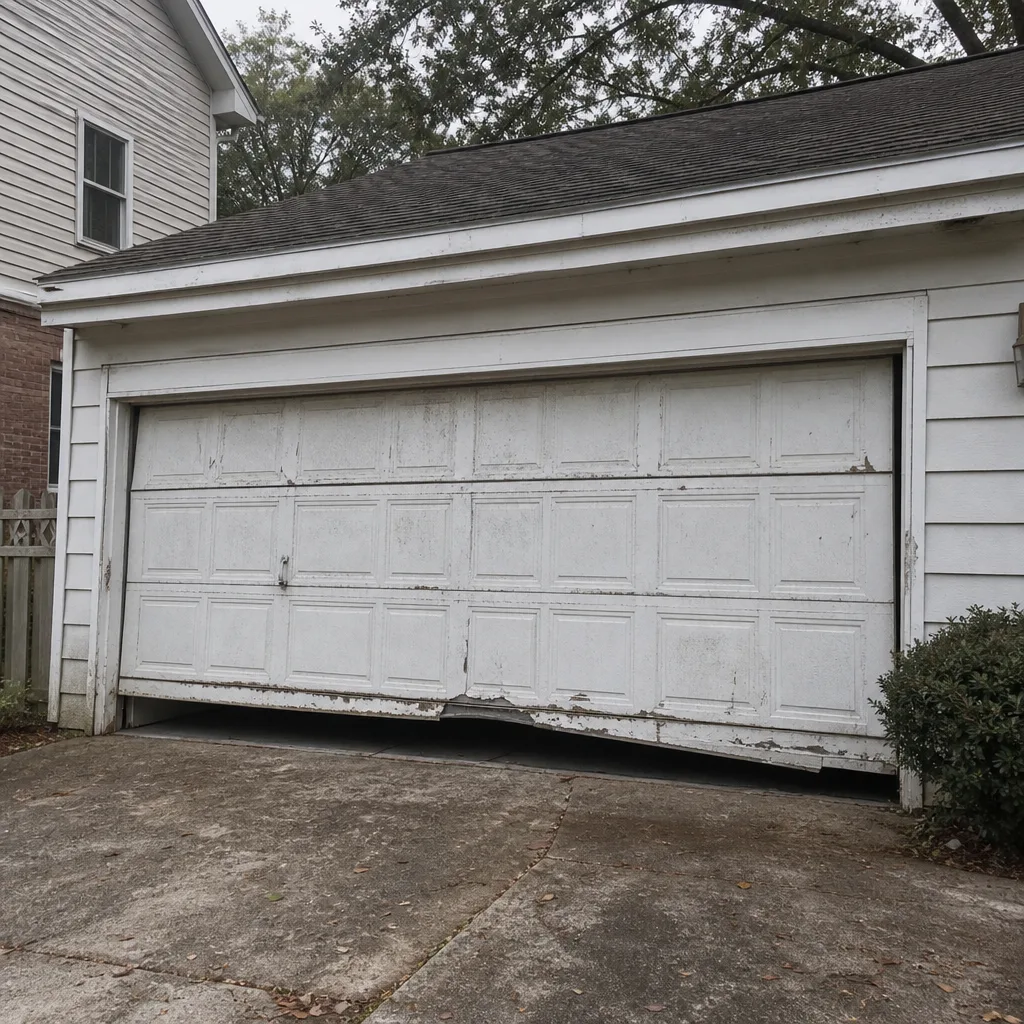 Before
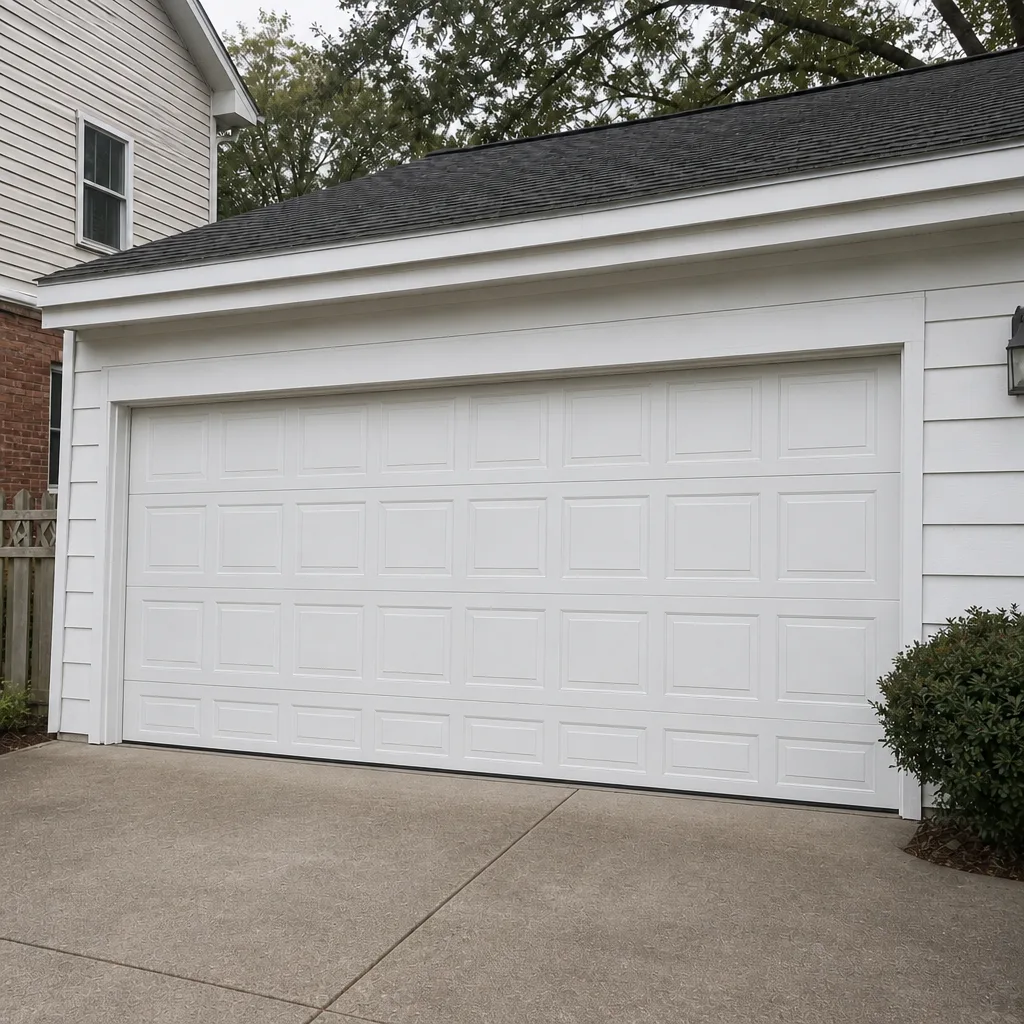 After
When to Call a Professional
Call a professional if you see a snapped or frayed cable, a broken spring, a door off its tracks, or an opener bracket pulling away from the ceiling. Those are safety issues, and the door shouldn’t be used until they’re fixed. Call if the door has developed a tilt, a pop at the same point in every cycle, or a sudden loss of balance. Call if the opener reverses, stalls or clicks and counting the flashes doesn’t explain it. And call if you’ve simply noticed the door getting slower and want it looked at before it becomes an emergency.
Clarity Garage Door Service offers free estimates in Columbia. Call (833) 391-2958. We answer 24/7. Fast dispatch from 7am to 7pm, Sunday through Friday. The price is quoted and agreed before any work starts, and you’ll know exactly what’s wrong before we touch anything.
Frequently Asked Questions
Most garage door repairs in Columbia fall somewhere between a routine service visit and a larger hardware replacement, and the written estimate sets the final price. Small fixes like seal replacement or roller service sit at the lower end, while spring, cable and opener repairs sit higher. Call (833) 391-2958 for an exact quote. Estimates are free.
A door that opens slower than it used to is usually signaling increased friction or lost spring tension. Check whether the slowness tracks with temperature: if it’s worse in the afternoon, suspect the springs; if it’s constant, suspect rollers, tracks or hinges. Time it with your phone and record the number before you call.
A pop that happens at the same point in every cycle, combined with a visible tilt, means stop using the door. Grinding that gets worse toward one end of travel is a track issue and worth a scheduled visit. Squealing is usually friction and can wait for an appointment, but a recurring squeal after lubrication is a binding problem.
Often, yes, and the more specific you are the better the answer. Tell us the door brand if you know it, whether the door moves freely by hand when the opener is disconnected, how many seconds the cycle takes now versus six months ago, and the flash count on the opener if the lights are blinking. Those four details usually narrow it to one or two likely causes before we arrive.
Yes. The technicians who perform work through Clarity Garage Door Service are licensed and insured, and they’re trained across the major door and opener brands. If you want to know what a repair involves before it’s authorized, we’ll tell you exactly what’s wrong first. Call (833) 391-2958 for a free estimate.
Yes. We work across the major door and opener lines, including Genie, LiftMaster, Chamberlain, Clopay, Amarr, Wayne Dalton, Craftsman and Raynor, which covers the vast majority of residential systems in Columbia homes. Because the same company handles installation, door repair and opener repair, you don’t need to coordinate between contractors for a single system.
The Bottom Line
Garage doors rarely fail without warning. They slow down, get louder, tilt slightly, or start clicking weeks before they stop working. The homeowners who catch problems early are the ones who treat sound and timing as diagnostic tools rather than background noise. Time your door, write the number down, and learn what each sound points to. Sort what you find into urgent and scheduled, and never test a spring or cable yourself. If something looks off, Clarity Garage Door Service can tell you what’s wrong before any work starts. Reach out for garage door service in Columbia and get a straight answer. For a broader look at the full range of work we handle, see Clarity Garage Door Service.
Written by the team at Clarity Garage Door Service.