
Last updated November 15, 2026
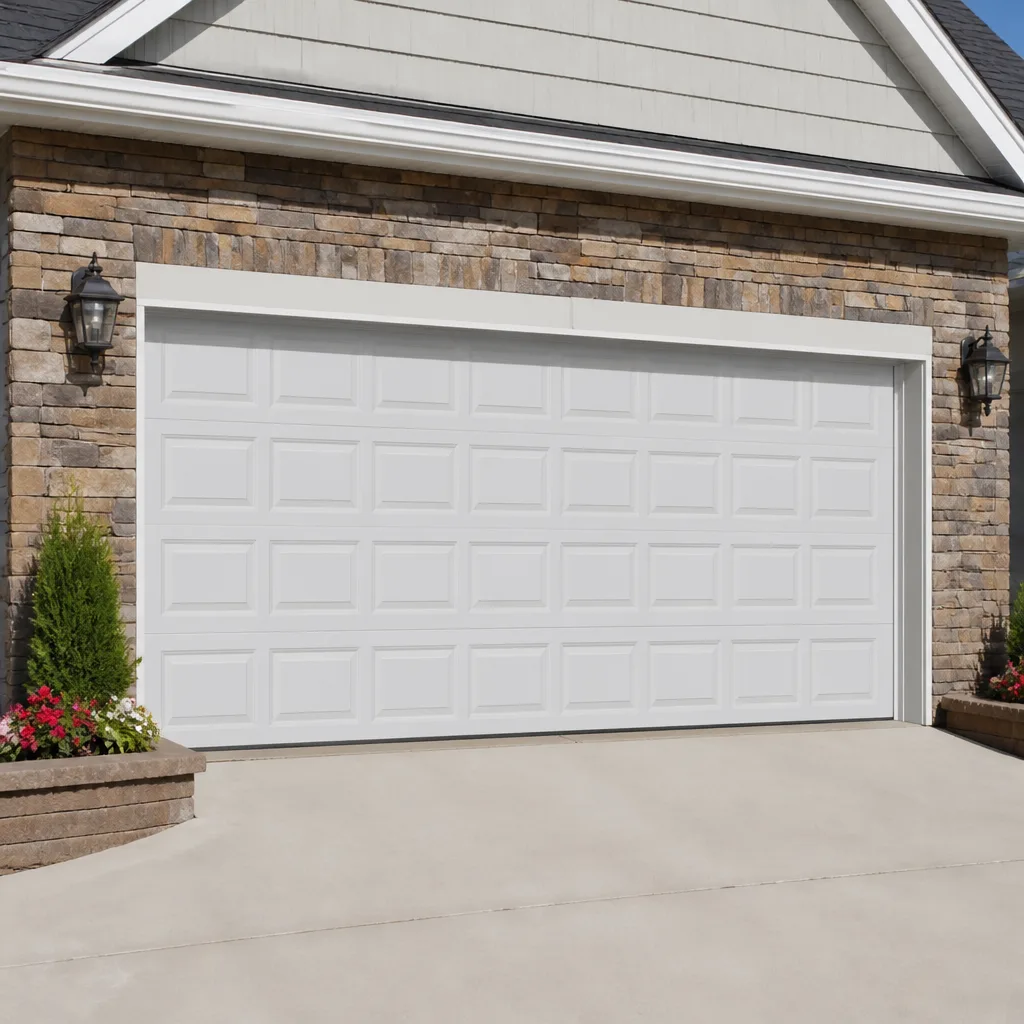 Raised-panel steel
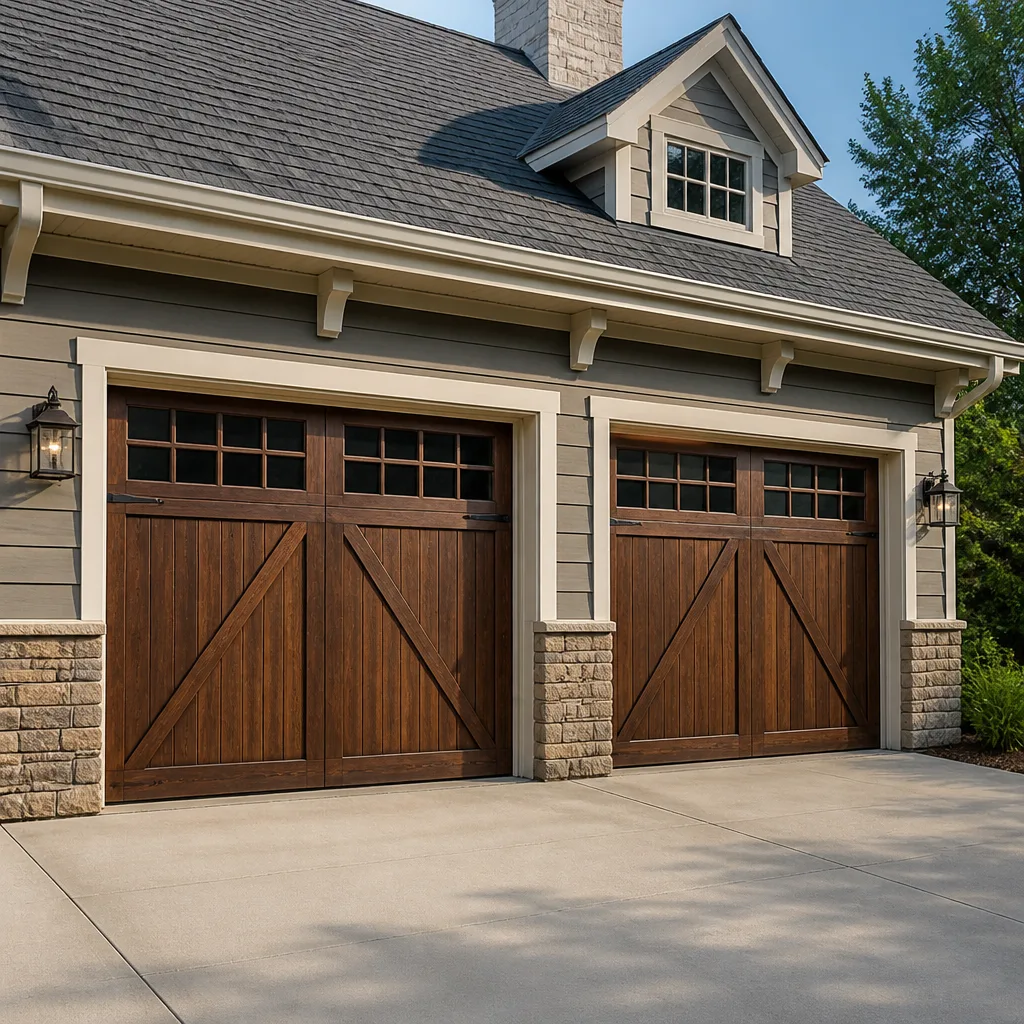 Carriage house
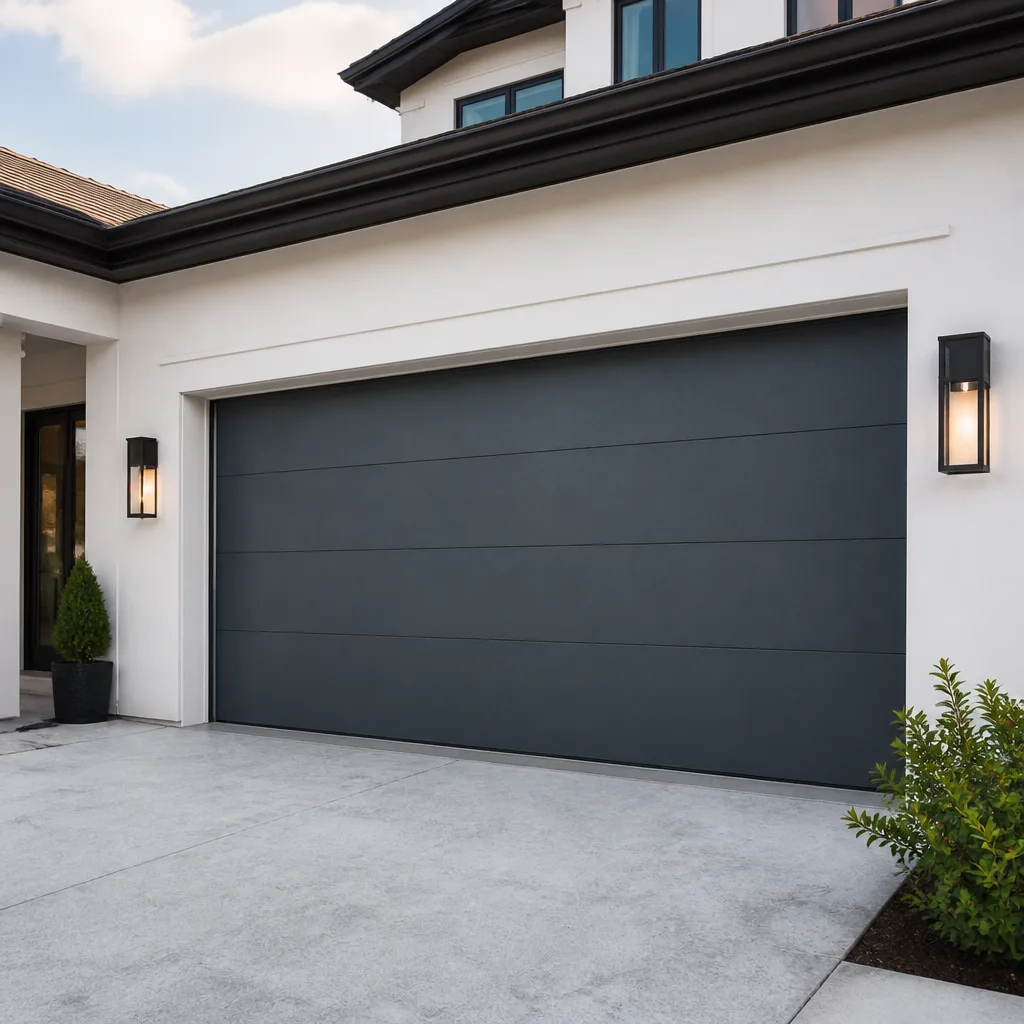 Modern flush
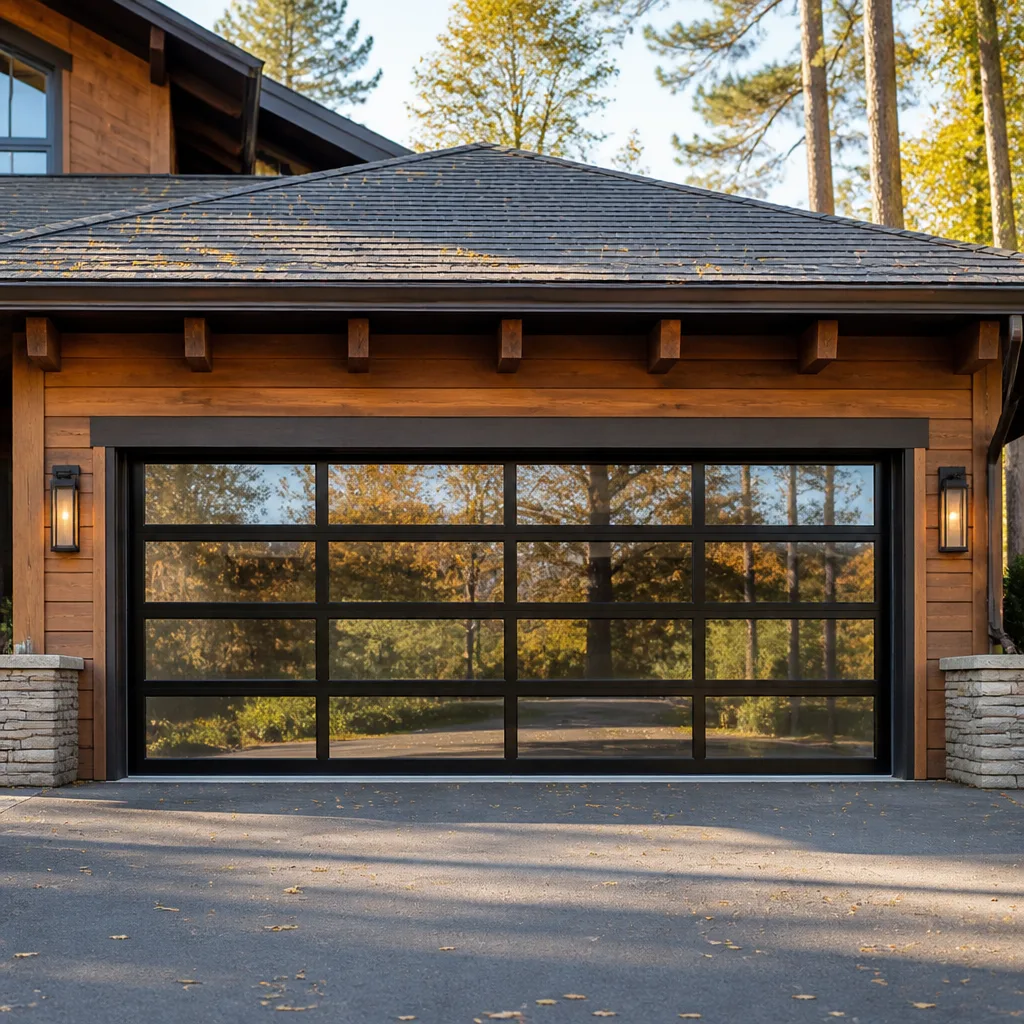 Full-view glass
 LiftMaster openers
 Chamberlain openers
Full 25-point door and opener safety check with every visit - springs, cables, rollers, tracks, and your LiftMaster or Chamberlain opener included
You get a price before we start. It does not change when the pro arrives.
Get your free estimateSeasonal Garage Door Care for Columbia: Year-Round Homeowner’s Guide
Most homeowners in Columbia treat garage door maintenance as a winter chore. They picture ice, snow, and frozen hinges, so they assume a mild climate means the door can be ignored. The reality is the opposite. Here in the Midlands, your door cycles through four distinct stress periods a year, and each one pushes a different part of the system. The heaviest wear doesn’t land in January. It lands in the temperature swings of March through May, when a torsion spring can go from cold-morning tension to warm-afternoon expansion and back again within a week. What follows is a month-by-month plan for Columbia, built around how this climate actually treats steel, springs, and openers.
Quick Answer
Seasonal garage door care in Columbia means matching your checks to the local climate rather than a generic national checklist. Peak spring stress runs March through May, summer heat binds steel panels, fall is the right window to re-lubricate, and storm season calls for a specific inspection before and after any tropical system tracks near the Midlands. Do the right inspection at the right time and you’ll catch most failures before they leave you with a door that won’t open.
Styles & brands we work with
- Raised-panel steel
- Carriage house
- Modern flush
- Full-view glass
- LiftMaster openers
- Chamberlain openers
Table of Contents
- Why Columbia’s Climate Is Harder on Garage Doors Than You’d Think
- Spring (March to May): Peak Stress on Torsion Springs
- Summer: Thermal Expansion and the July Bind
- Fall: When to Re-Lubricate (and When Not To)
- Winter in Columbia: Cold Mornings, Mild Days
- Storm Season: What to Check Before and After a Tropical System
- Month-by-Month Maintenance Calendar for Columbia
- Opener Care Through the Seasons
Why Columbia’s Climate Is Harder on Garage Doors Than You’d Think
Columbia doesn’t get a long, steady winter the way northern cities do. It gets a mild winter, a fast and volatile spring, a genuinely hot summer, and a hurricane-season fall. That pattern is what makes our climate tricky for garage doors. A door is a system of steel, tension, and electronics that really wants a stable temperature. The Midlands gives it big swings instead.
Think about a typical March week in Columbia. You might see a morning near 40 degrees and an afternoon in the low 70s. Every one of those transitions makes the steel in your panels move a fraction of an inch, and it loads and unloads the torsion spring above the door. A spring that sits at a steady tension lasts far longer than one that’s constantly re-seating itself. That’s the core reason seasonal checks here are about timing, not just frequency.
There’s a second factor: humidity. Columbia summers run humid, and humid air plus condensation on cold steel is a slow recipe for surface rust on hinges, rollers, and the bottom section of the door. It rarely fails a door on its own, but it adds friction, and friction is what turns a minor adjustment into a snapped cable.
We work on doors across Columbia every week, and the pattern holds: the failures cluster in the transition months, not the extremes. If you’re going to do only one inspection this year, do it in March. If you can do two, add October. Those two checkpoints line up with the two hardest periods for the system.
- Spring: temperature swings load and unload torsion springs.
- Summer: heat expands steel panels and can cause binding.
- Fall: re-lubrication window before the wet season settles in.
- Winter: cold mornings test springs and opener batteries.
- Storm season: wind and debris checks before and after any named system.
Spring (March to May): Peak Stress on Torsion Springs
If there’s a season to be alert in Columbia, it’s spring. Not because it’s cold, but because it’s unpredictable. This is also the single biggest reason homeowners should never try to adjust or replace a torsion spring themselves. That spring holds the full weight of the door under extreme tension, and a spring that lets go can cause serious injury. It’s a job for a trained technician with the right winding bars and the right training, full stop.
What can you safely do in spring? Plenty. Start with a visual inspection of the spring above the door. A healthy torsion spring is a uniform coil. A spring that’s starting to fail often shows a visible gap in the coil, which means it has broken. If you see a gap, don’t operate the door. Call for garage door repair and let a technician handle it. On a door with two springs, one can break and the other will carry the load until it also gives, which is why matched pairs are usually replaced together.
Spring is also when you should test the door’s balance. With the door closed and the opener disconnected, lift the door by hand to about waist height. A balanced door should stay roughly where you leave it. If it drops or rises on its own, the spring tension is off and it’s worth having it checked.
- Look for a coil gap in the torsion spring. Stop operating the door if you find one.
- Test balance by hand with the opener disconnected.
- Check the rollers and hinges for looseness after a winter of cycling.
- Look at the bottom weather seal for cracking or gaps.
- Listen for new noises: grinding, squealing, or a bang at the end of travel.
The March-to-May window is also when we get the most calls about springs in Columbia. A spring that survived the winter isn’t the same as a spring that’s healthy, and the swing period is what finds the weak ones. A quick inspection in early March is a cheap way to get ahead of it.
Summer: Thermal Expansion and the July Bind
When a garage door starts to bind in July, the usual cause is thermal expansion. Steel panels grow slightly as they heat up, and if the door’s alignment or track spacing is already near the edge of its tolerance, that growth tips it over. The result is a door that suddenly scrapes, jerks, or won’t close. It’s not a mystery failure; it’s physics catching up with a slightly out-of-spec door.
You’ll notice the pattern if you pay attention. A door that binds only on hot afternoons and works fine in the morning is almost certainly an alignment or track issue, not a motor problem. The fix usually involves adjusting the track, tightening the hinges, or replacing worn rollers so the door can move through its cycle without contact.
Summer is also when opener electronics get stressed. The motor and control board sit in an attic-temperature environment, and older openers with tired capacitors can start to struggle in the heat. If your LiftMaster or Chamberlain opener reverses unexpectedly in hot weather and behaves normally in cooler parts of the day, the control board or the logic board is worth a look. That’s the kind of diagnosis a general handyman can’t run, because it needs the brand-specific troubleshooting sequence.
Two summer habits pay off:
- Keep the track free of debris. Heat makes debris particles sticky, and a bit of grit in the track adds friction exactly when the door is already binding.
- Check the opener’s force settings only if you know the brand’s procedure. Cranking up the force to make a binding door close hides the real problem and wears the opener out faster.
If the door binds in the July heat and your adjustment doesn’t fix it, have it looked at. A track out of alignment in June can wear the rollers through by September, and roller replacement costs more than a track adjustment.
Fall: When to Re-Lubricate (and When Not To)
The right time to re-lubricate your garage door in Columbia is mid-to-late fall, not the first cool morning in September. Lubricant applied too early gets cooked off by the last hot days of the year, and it attracts dust while it’s still tacky. Wait until the daytime highs settle out of the 80s. That’s typically mid-October in the Midlands, and it’s the point where the door will hold its lubricant through the winter and spring.
Once you’re in the window, the job is straightforward. Use a garage-door-specific lubricant, not WD-40 and not general-purpose grease. WD-40 displaces moisture but it isn’t a long-term lubricant, and grease collects grit. A lithium or silicone-based product designed for garage doors holds up.
- Lubricate the hinges at each pivot point with a small amount of product.
- Lubricate the rollers – the bearings inside the roller wheels, not the track itself.
- Wipe the torsion spring lightly with lubricant to reduce friction between coils.
- Do not grease the track. A clean, dry track lets the rollers roll; a greased track collects dirt and slides instead.
- Wipe off any excess so it doesn’t drip onto the floor or attract debris.
Fall is also the right time to check the weather seal at the bottom of the door. In Columbia, the fall and winter months bring their share of rain, and a cracked or compressed seal lets water and debris into the garage. A cheap replacement seal takes minutes to install and keeps water off the floor.
We often get asked whether a Wayne Dalton or Raynor door needs a different fall routine. It doesn’t in most cases. The hinge and roller points are functionally the same. What differs by brand is the hardware detail, and a technician who works across those brands will know the specific pivot points and roller tolerances.
Winter in Columbia: Cold Mornings, Mild Days
Winter in Columbia is mild, but it isn’t nothing. The cold mornings still stiffen lubricant and slow the torsion spring’s response. The rubber seals get harder and less pliable, which makes the door close a little louder. None of this usually causes a failure on its own, but it stresses parts that were already marginal.
The winter item that catches homeowners off guard is the opener battery and safety sensor. Cold mornings are when a dying backup battery finally gives out during a power interruption, and when a misaligned or fogged safety sensor starts tripping. Before the first hard frost, test the safety sensors by placing an object in the door’s path and confirming the door reverses. If it doesn’t reverse, that’s a real problem and not something to leave for spring.
Winter is also when we see more battery-backup failure in LiftMaster and Chamberlain openers, because those systems rely on a battery that only gets tested when the power goes out. It’s worth testing once a season by unplugging the opener and cycling the door. If the door doesn’t move on battery, the battery needs replacing before the next storm knocks out power.
- Test the safety sensors with an object in the path.
- Unplug the opener and test the battery backup cycle.
- Check the weather seal for hardening or gaps after the first cold snap.
- Listen for new noises on the first cold morning; stiffness is normal, grinding isn’t.
Winter is a good time to have a professional look at the whole system. It’s a slow season for repairs, so scheduling a maintenance visit here means you’re not waiting behind emergency calls. We can examine the springs, the opener electronics, and the tracks together and give you a clear picture of what needs attention before spring.
Storm Season: What to Check Before and After a Tropical System
Hurricane season runs from June through November, and while Columbia is inland, tropical systems still track through the Midlands and bring wind, rain, and debris. Your garage door is one of the largest openings in your house, and it’s worth a check before and after any system that comes close.
Before the storm:
- Confirm the door closes fully and the bottom seal sits tight against the floor.
- Clear the track of leaves and debris so nothing jams the door mid-cycle if you need to open it.
- Test the manual release so you can open the door by hand if the power fails.
- Move anything that could blow against the door away from the driveway.
After the storm:
- Inspect the outside of the door for dents, panel separation, or debris impact.
- Check the tracks for bent sections; wind-driven debris is the usual cause.
- Look at the hinges and rollers for grit that blew in with the rain.
- Run the door through a full open-and-close cycle and listen for new noises.
- Check the opener’s logic board if the door behaves oddly; power surges during storms are a common culprit.
Storm damage is one of those things where the fix is usually cheaper the earlier you catch it. A bent track that gets used for a month can wear out the rollers. A door with a torn seal that gets used through the rainy season can rust at the bottom section. If you’re in Columbia and a system has just tracked through, it’s worth having the door inspected before the next one.
Month-by-Month Maintenance Calendar for Columbia
Here’s the calendar we recommend to homeowners in Columbia. Print it and stick it on the garage wall.
- January: Test safety sensors, test opener battery backup, check weather seal.
- February: Visual check of the torsion spring; note any new noises.
- March: Hand-balance test. This is the single most important inspection of the year.
- April: Look for the “spring snap” – check springs for a coil gap after the temperature swings.
- May: Tighten any loose hinge screws; inspect rollers for flat spots.
- June: Pre-hurricane check: track, seal, manual release.
- July: Watch for heat-related binding. Adjust track only with the right tools.
- August: Check opener electronics in the heat; test force settings if the door struggles.
- September: Wait. Do not lubricate yet.
- October: Re-lubricate hinges, rollers, and spring. Check the bottom seal.
- November: Post-hurricane-season door inspection; clear any debris in the tracks.
- December: Year-end inspection of the full system. Schedule any repairs now while the season is slow.
This calendar is specific to the Midlands. If you’re comparing it to a national checklist you found online, you’ll notice the differences: the pressure is in spring, not winter, and lubrication waits until fall rather than happening in spring. Following a northern checklist in Columbia means you’re doing the right work at the wrong time.
Opener Care Through the Seasons
Your opener barely notices winter in Columbia, but it notices summer. The motor and control board sit in an attic-temperature space, and heat is what stresses capacitors, logic boards, and the plastic gears inside older units. A Craftsman or Genie unit that’s been reliable for years can start behaving oddly once the garage holds steady heat.
Here’s what to check and when:
- Spring: Confirm the door is balanced before blaming the opener. An unbalanced door makes any opener work harder, and it’s usually the real problem.
- Summer: Listen for new sounds from the opener head. A strained motor in hot weather is often a symptom of a binding door, not a bad opener.
- Fall: Clear debris from the opener rail and check the safety sensor alignment. Both get neglected in summer.
- Winter: Test the battery backup and inspect the wall control for moisture damage from the rainy season.
Modern openers from LiftMaster and Chamberlain include connected features, Wi-Fi control, and integrated cameras in some models. Those features are great, but they add a control board and a network module that can fail independently of the motor. A door that opens fine with the wall button but not the app is usually a connectivity or logic board issue, not a mechanical one. That’s the kind of diagnosis that needs brand-specific knowledge, which is where garage door opener repair starts to matter as a specialty.
Across all brands, the seasonal opener checklist is short: balance the door, test the sensors, test the battery, and clear the rail. Do those four things each year and you’ll catch most opener problems before they take the door down.
Common Mistakes to Avoid
- Following a northern maintenance checklist in Columbia. Northern guides tell you to lubricate in spring and focus on winter prep. In the Midlands, that schedule does the wrong work at the wrong time. Lubricating in spring means the product cooks off by July and attracts dust all summer.
- Ignoring the March swing period. The most common failure month for torsion springs in Columbia is March, driven by temperature swings. A homeowner who inspects in February and not again until June misses the exact window when springs are most likely to fail.
- Lubricating the track. The track needs to be clean and dry so the rollers can roll through it. Greasing the track turns it into a slot that rollers slide against, which wears them faster and collects grit. Lubricate the rollers, not the track.
- Using WD-40 as a long-term lubricant. WD-40 is a moisture displacer, not a garage-door lubricant. It works for a short time and then leaves the door dry. Use a garage-door-specific lithium or silicone product.
- Increasing force settings on a binding door. If the door binds in July heat, the fix is to correct the alignment, not to crank up the opener force. Cranking the force wears out the opener and hides the real problem until something breaks.
- Skipping the pre-storm check. A door that’s a little off can usually be brought back to spec with a small adjustment, but a door that’s off and then used through a storm can wear out rollers, cables, and hinges in a single season.
- Trying to adjust or replace a torsion spring yourself. This is the one mistake on this list that can seriously injure you. The torsion spring is under extreme tension, and the correct tools and training are non-negotiable. Have a professional handle it.
See the difference
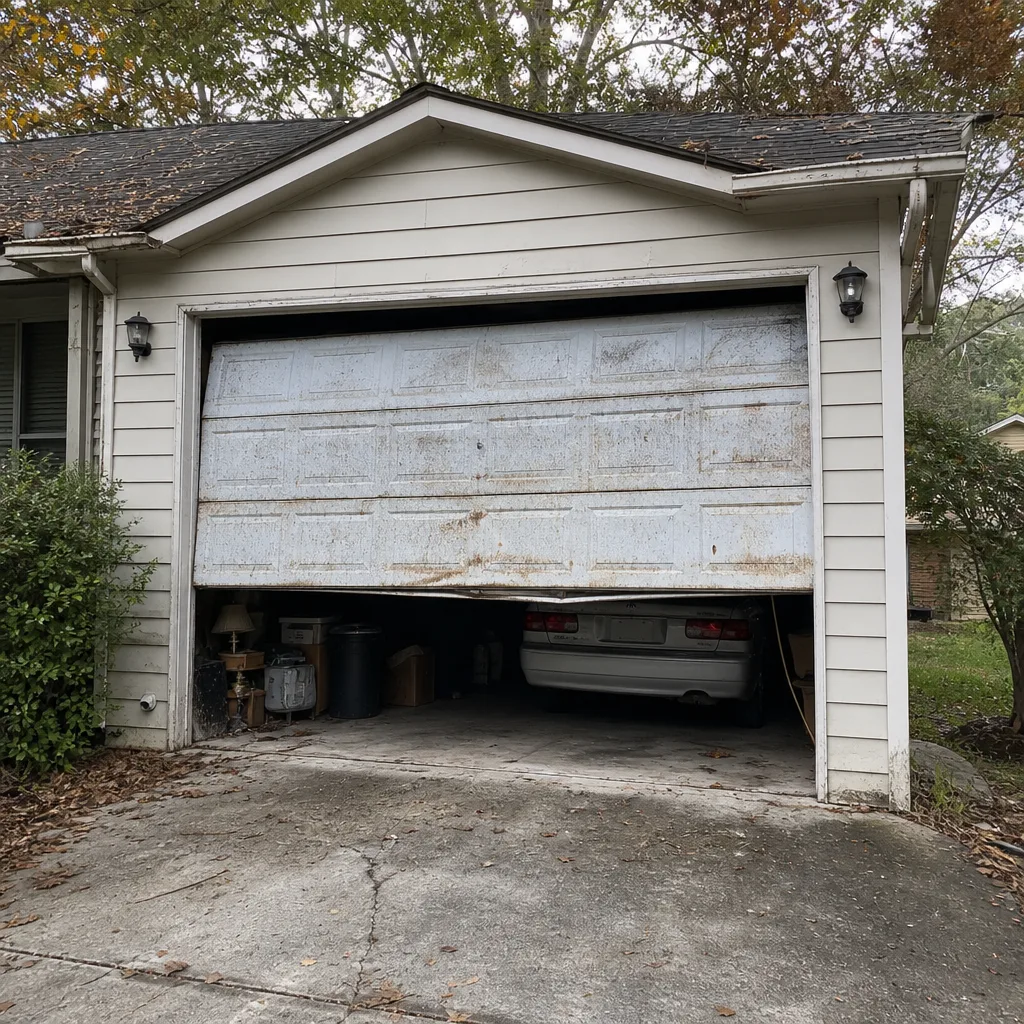 Before
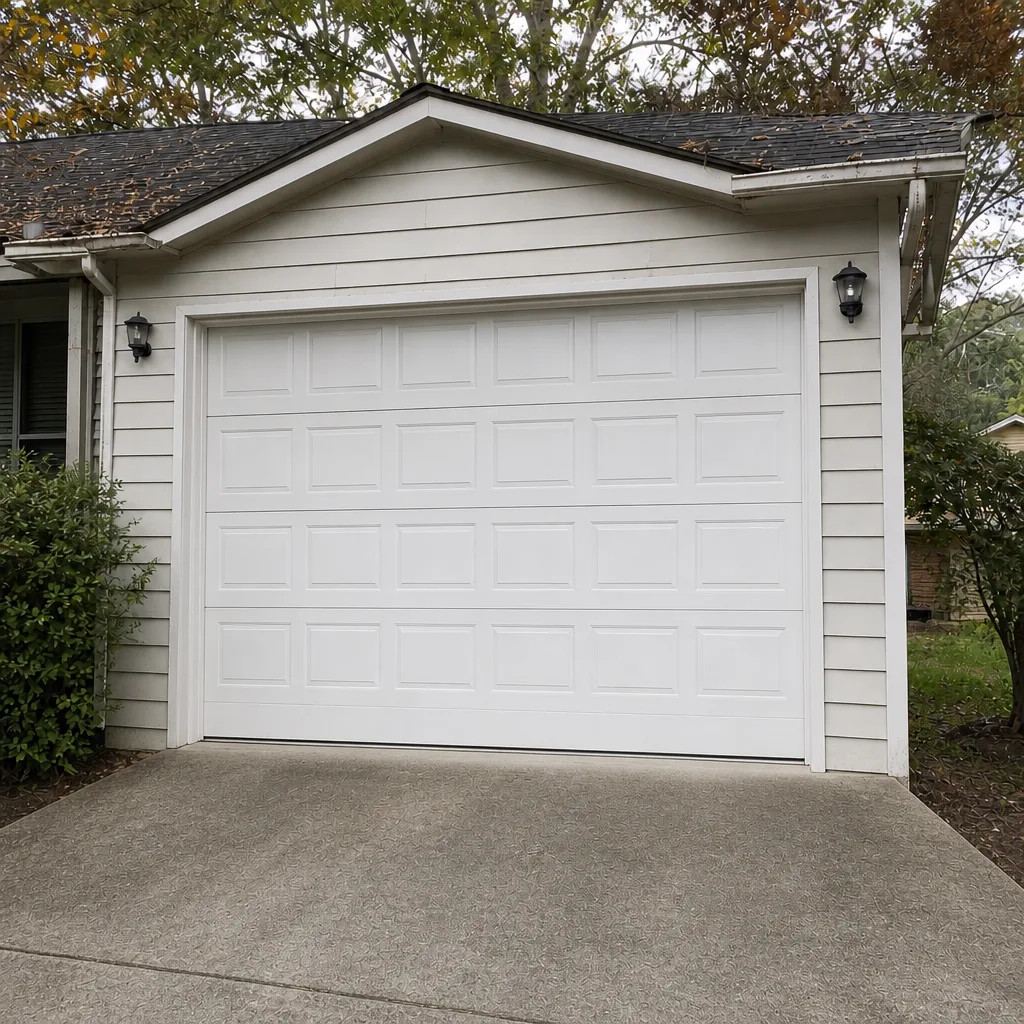 After
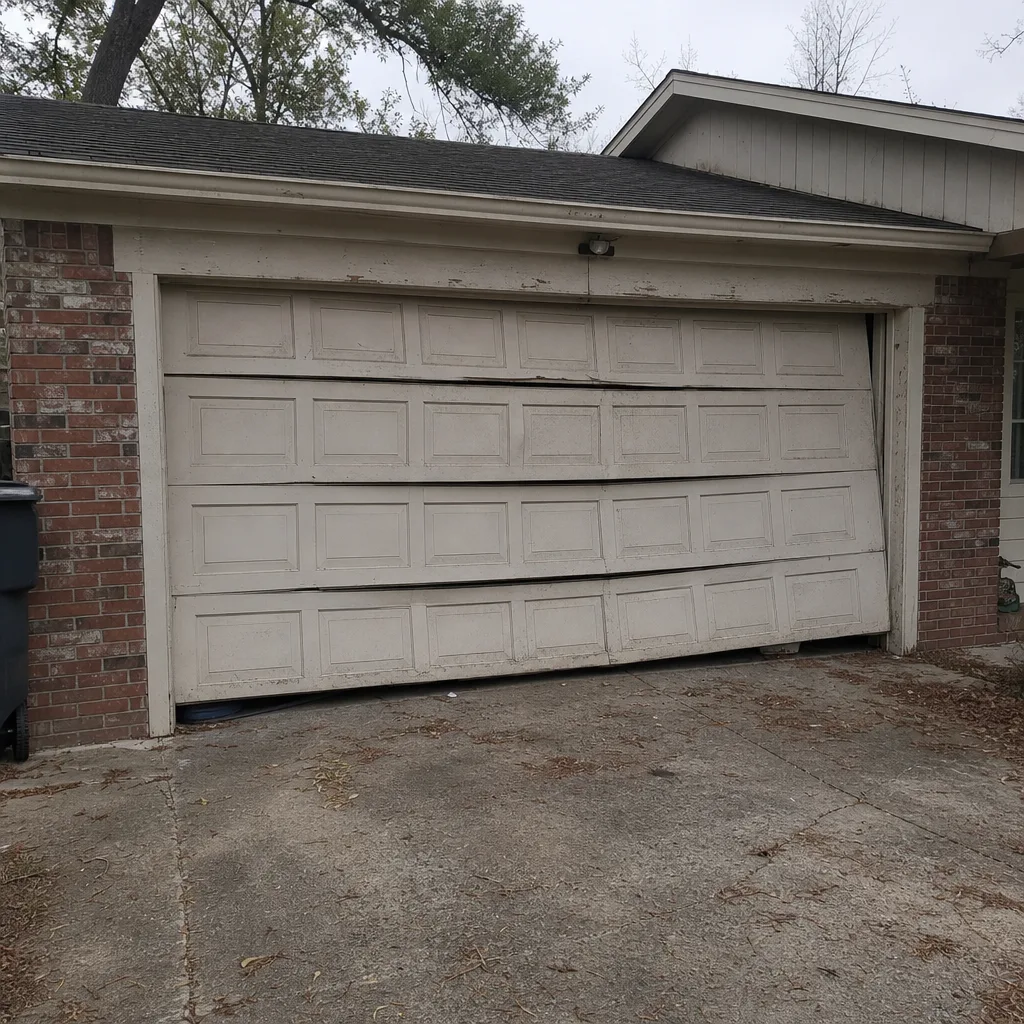 Before
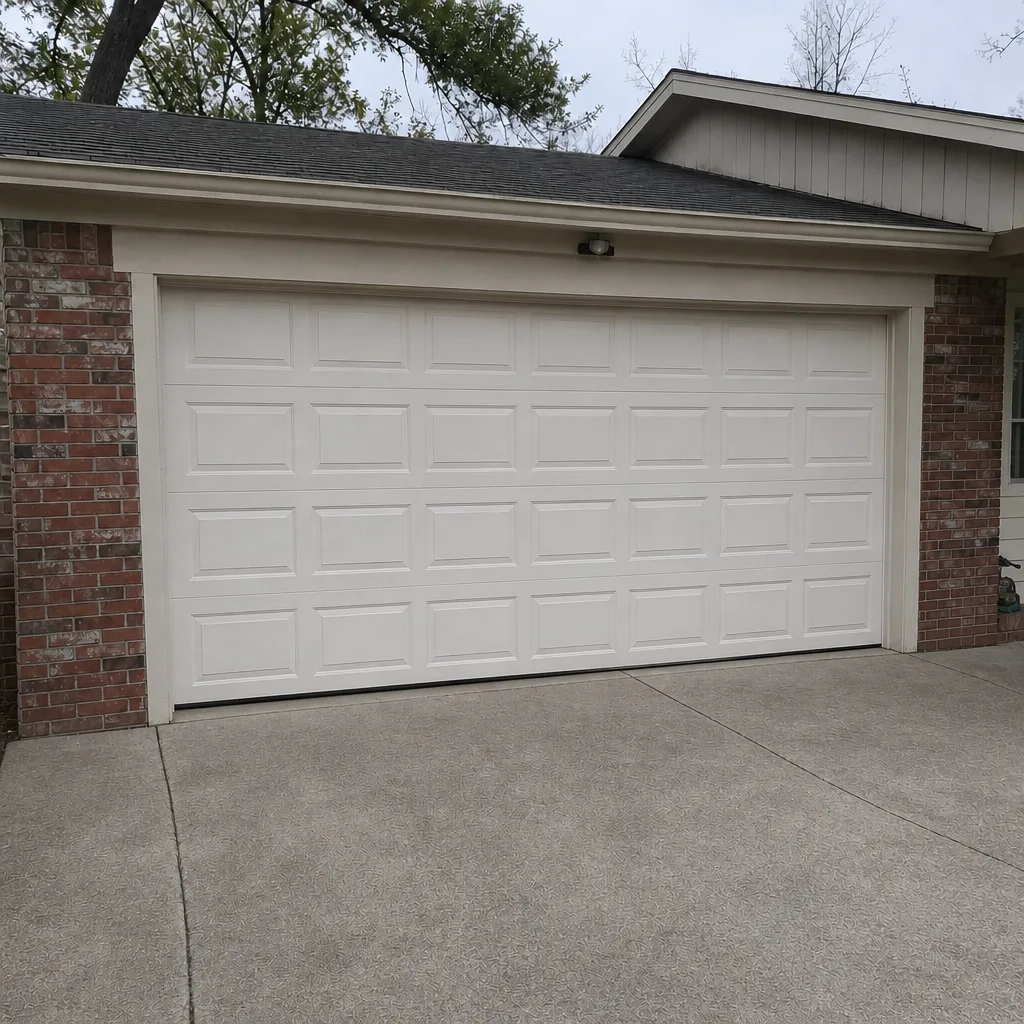 After
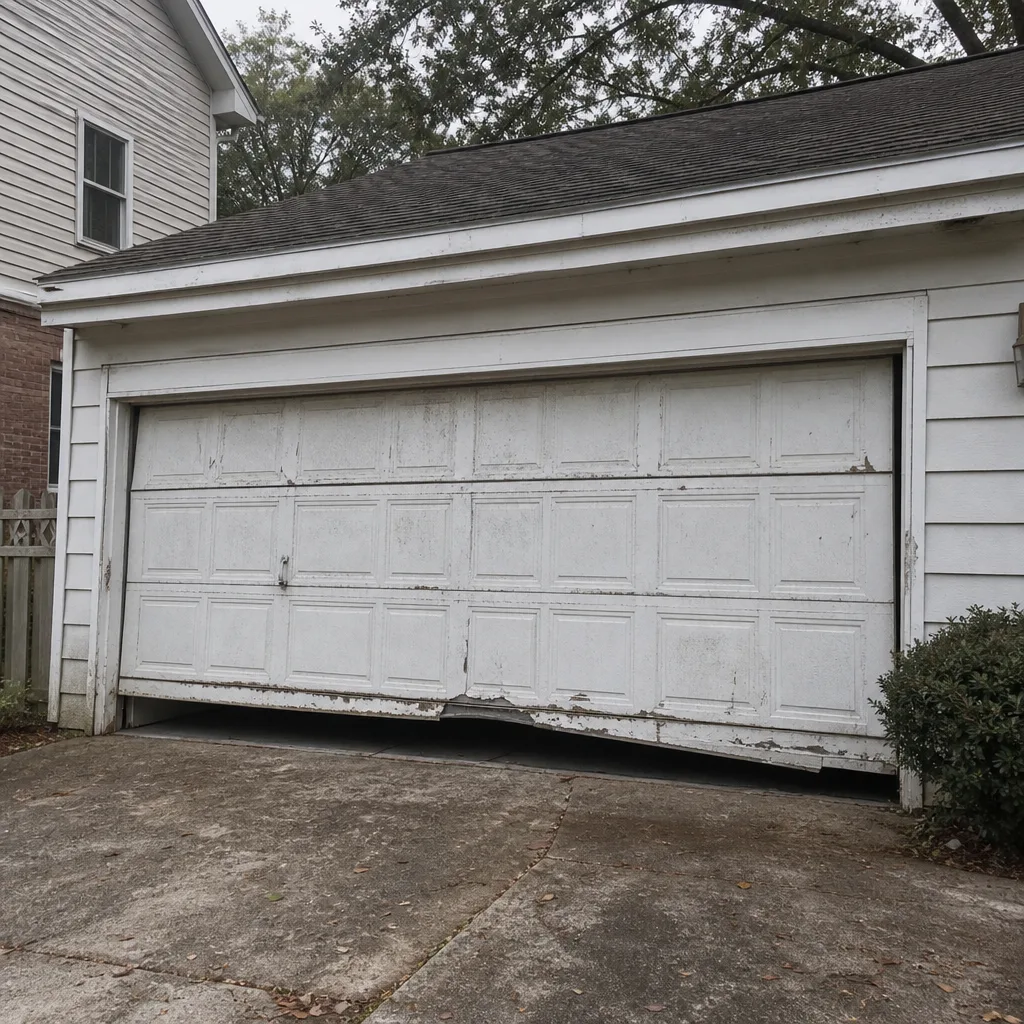 Before
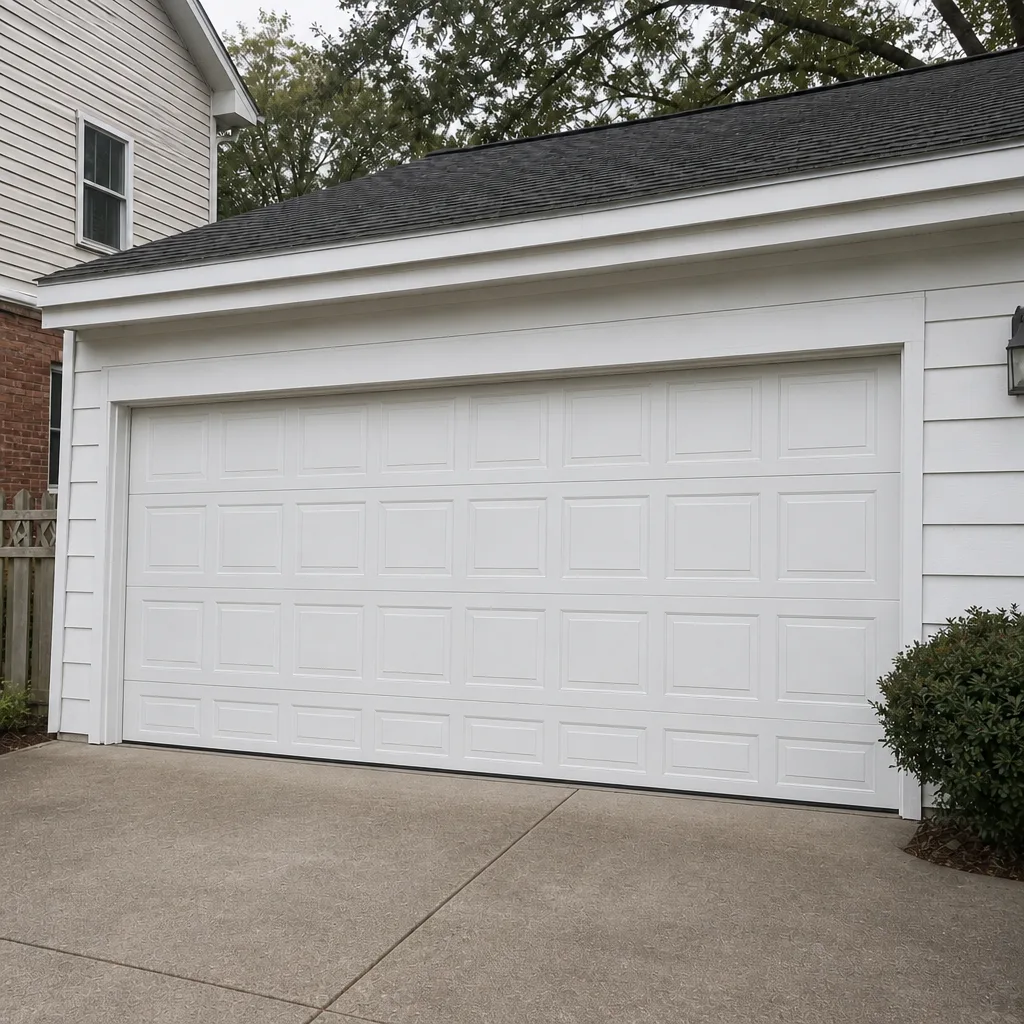 After
When to Call a Professional
Some seasonal checks are safe for any homeowner. Others should be left to a technician who knows the door. Call a professional if any of these are true:
- There’s a visible gap in the torsion spring coil, or the door won’t open smoothly after a spring break.
- The door binds or scrapes in the July heat and a track adjustment doesn’t fix it.
- The safety sensors won’t reverse the door no matter how you align them.
- The opener behaves oddly in hot weather or after a storm, and the wall button works differently than the remote or app.
- A storm has tracked through Columbia and you notice new dents, bent tracks, or a door that no longer seals against the floor.
- The door drops or rises unexpectedly on the hand-balance test.
Clarity Garage Door Service offers free estimates in Columbia for any of these. We work on springs, hardware, tracks, and the full opener line, and we handle the door and the opener under one company so you’re not coordinating between two contractors. We’ll tell you exactly what’s wrong before we touch anything, and you’ll know the written price before we start. Call (833) 391-2958. We answer 24/7. Fast dispatch from 7am to 7pm, Sunday through Friday.
Frequently Asked Questions
Spring, from March through May, is the worst season for garage door springs in Columbia. The reason is temperature swing, not cold. A single week in March can move 30 degrees or more, and each shift loads and unloads the torsion spring. A spring that sits at steady tension lasts longer than one that re-seats itself week after week. If your spring is already marginal, the spring swing period is usually what finds it. Call (833) 391-2958 for a free estimate if you hear a bang or see a gap in the coil – estimates are free.
Summer binding in Columbia is usually thermal expansion. Steel panels grow slightly as they heat up, and a door that’s already near the edge of its alignment tolerance will start to scrape. If the door only binds on hot afternoons and works fine in the morning, it’s an alignment issue rather than an opener problem. Track adjustment, hinge tightening, or roller replacement usually fixes it. Call (833) 391-2958 for an exact quote – estimates are free.
Wait until the daytime highs settle out of the 80s, which in the Midlands is usually mid-October. Lubricating in spring or early September wastes product because the heat burns it off before it does any good. Once you’re in the window, lubricate the hinges, roller bearings, and spring, and leave the track dry. Call (833) 391-2958 if you’d like us to handle the seasonal lubrication and inspection for you.
Seasonal inspections and the repairs that follow vary by door and by what’s found. We don’t quote a number sight unseen, because the cost of a spring replacement is very different from the cost of a hinge adjustment. We give a written estimate for the specific work, and the price you’re quoted is the price you pay – it’s agreed before any work starts. Call (833) 391-2958 for a free estimate.
Before a named system tracks near Columbia, confirm the door closes fully against the floor seal, clear the track of debris, test the manual release so you can open the door by hand if the power goes out, and move anything from the driveway that could blow against the door. After the storm, check for dents, bent tracks, and new noises on a full cycle. Call (833) 391-2958 if you spot damage – we can look it over and give a written estimate.
Yes, our technicians are licensed and insured, and the work is done to the brand-specific procedures for each system we service. That includes LiftMaster, Chamberlain, Genie, and Craftsman openers, and Clopay, Amarr, Wayne Dalton, and Raynor doors. Our technicians have up to 8 years of experience. If your door needs work and you want a straight answer, call (833) 391-2958. We answer 24/7. A call outside dispatch hours is booked into the next opening, Sunday through Friday, 7am to 7pm.
The Bottom Line
Seasonal garage door care in Columbia comes down to matching your checks to the local climate. The heaviest wear lands in spring, when swing temperatures stress the torsion spring. Summer heat brings binding and opener strain. Fall is the right time to re-lubricate. Winter is quiet but worth a full-system check. And storm season calls for an inspection before and after any tropical system tracks through the Midlands. Follow the calendar, don’t try to adjust a torsion spring yourself, and call a technician when something doesn’t feel right. That’s the whole plan.
If you’d like a professional to walk through your door – the springs, the hardware, the tracks, and the opener – we’re ready to help. Clarity Garage Door Service works on the door and the opener under one company, with a written price before any work begins. Call (833) 391-2958 for a free estimate. We answer 24/7. Fast dispatch from 7am to 7pm, Sunday through Friday.
Written by the team at Clarity Garage Door Service.