
Last updated November 15, 2026
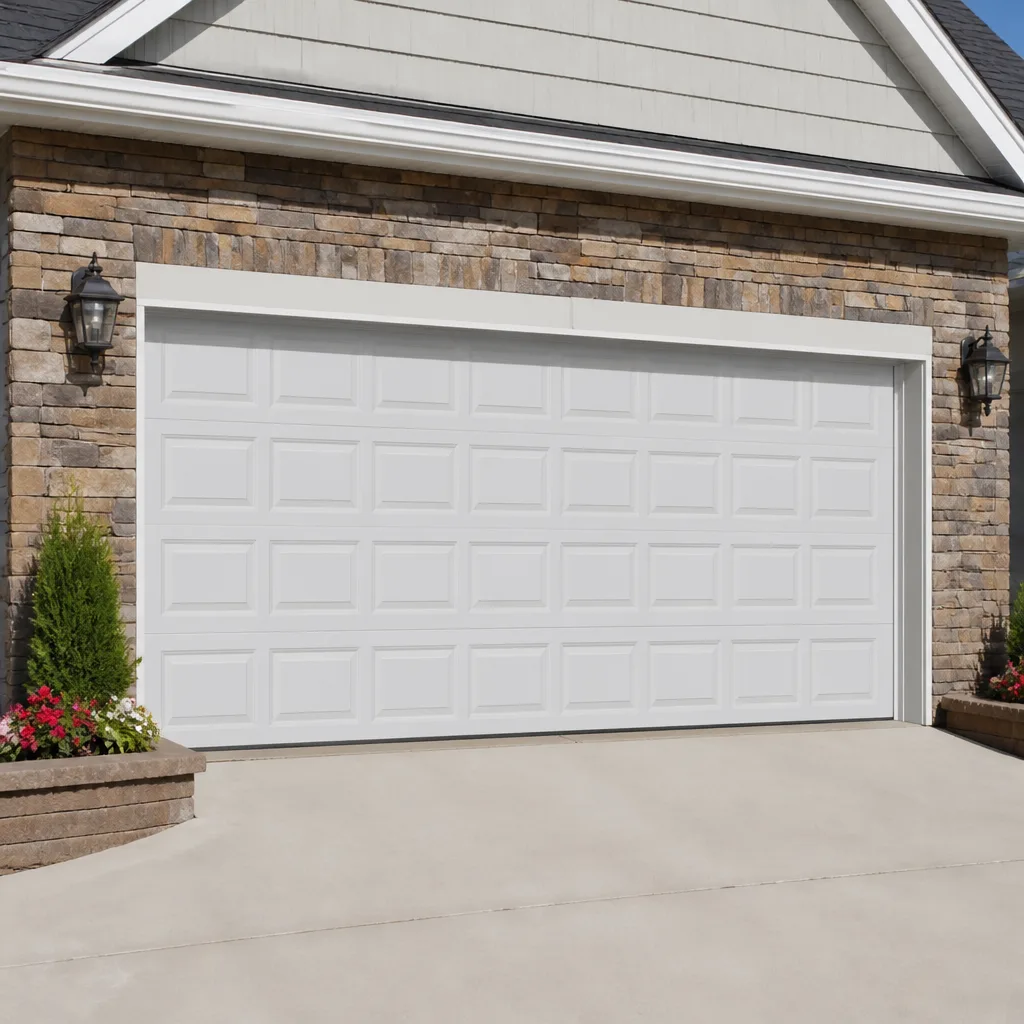 Raised-panel steel
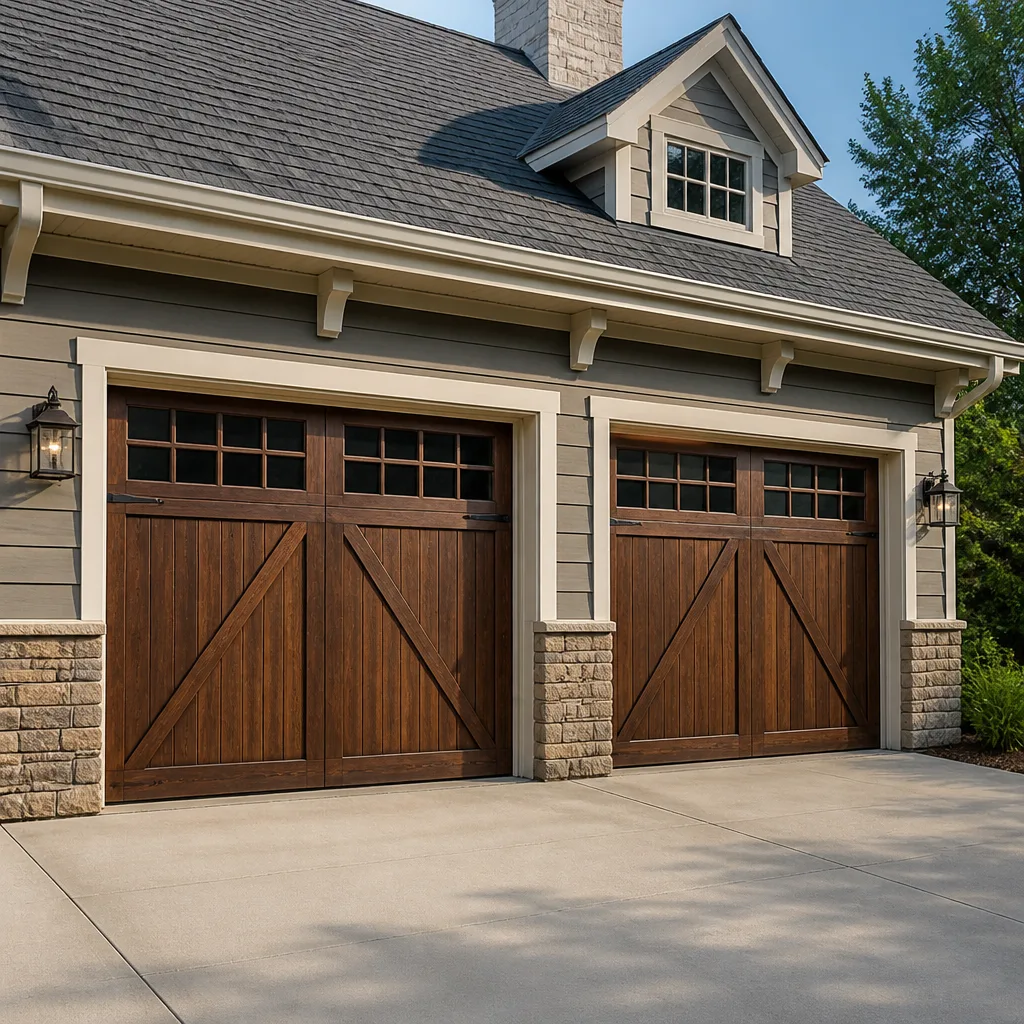 Carriage house
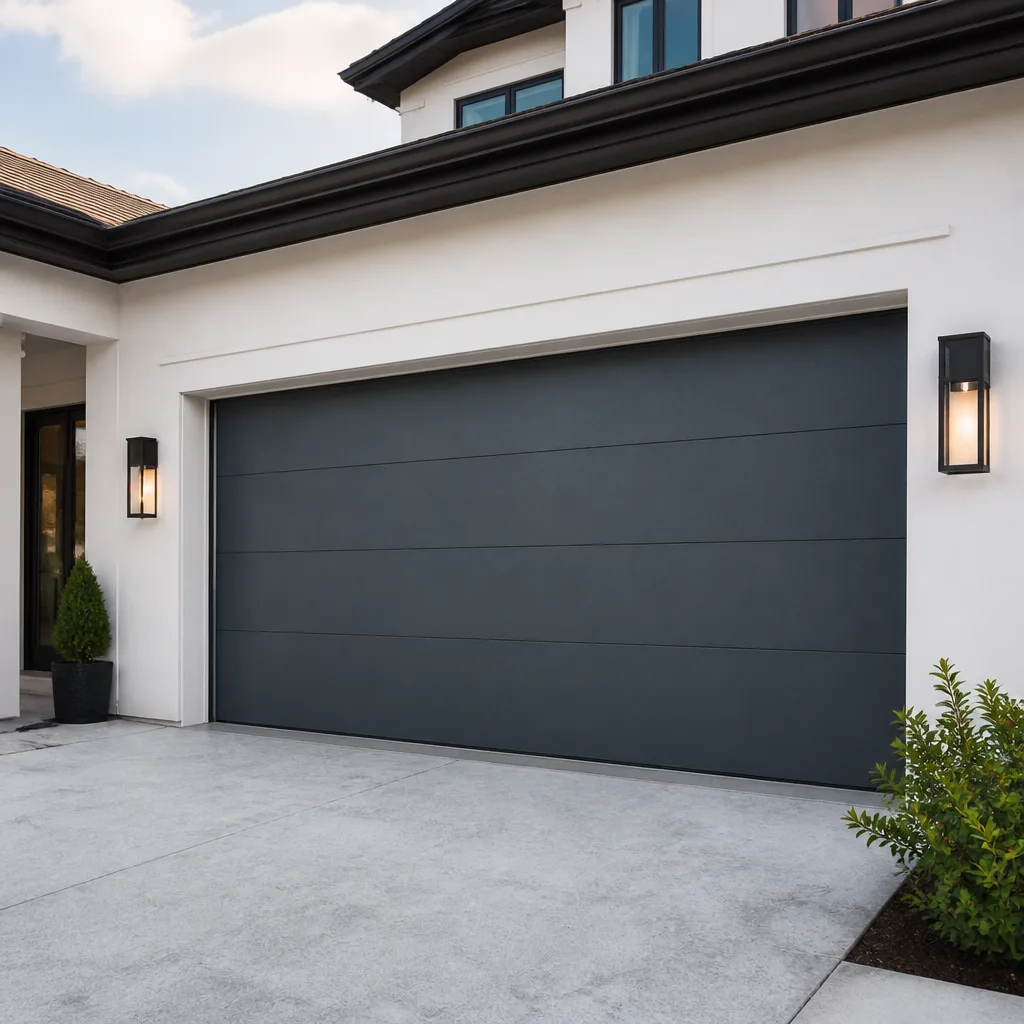 Modern flush
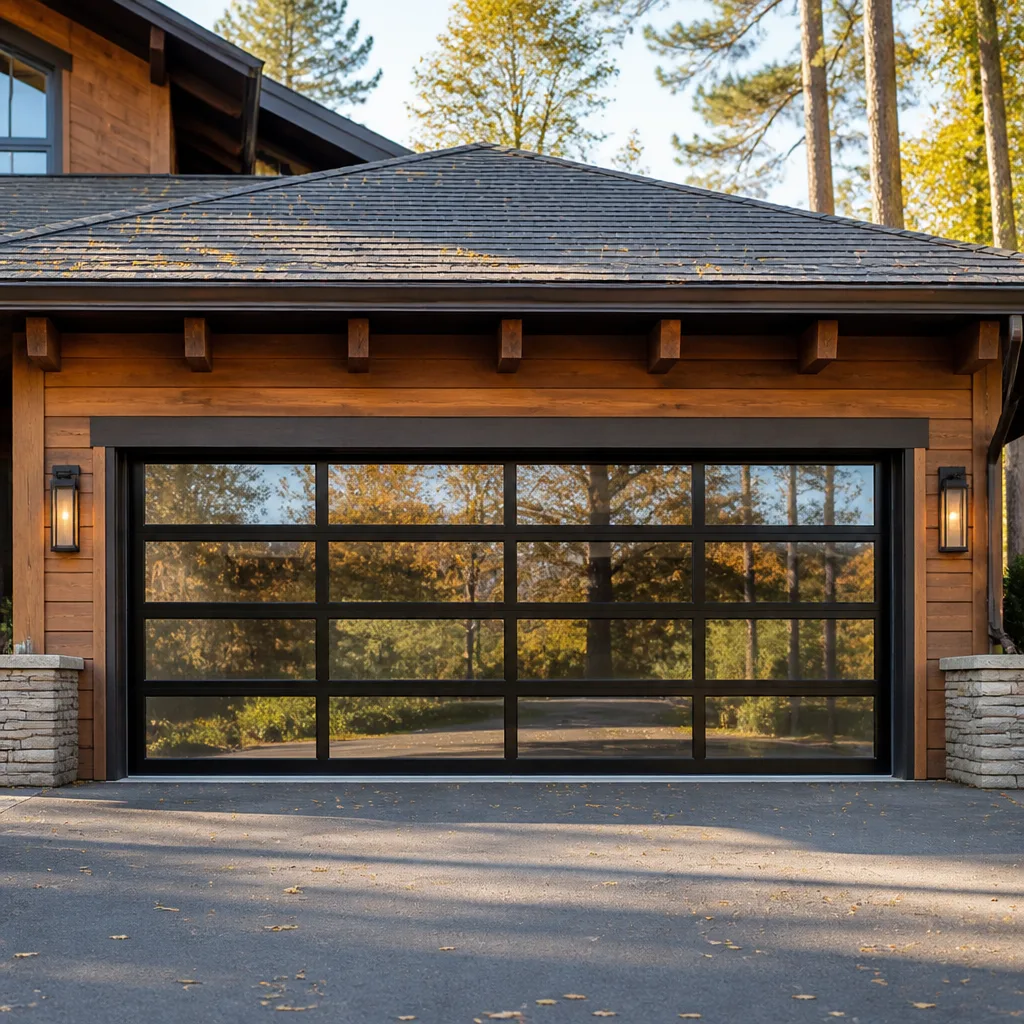 Full-view glass
 LiftMaster openers
 Chamberlain openers
Full 25-point door and opener safety check with every visit - springs, cables, rollers, tracks, and your LiftMaster or Chamberlain opener included
You get a price before we start. It does not change when the pro arrives.
Get your free estimateGarage Door Repair Troubleshooting in Columbia: Common Problems and How to Fix Them
Most garage door troubleshooting fails for one reason: homeowners chase the symptom instead of the system. A door that won’t open could mean a dead remote battery, a broken torsion spring, a sensor knocked out of alignment, or a trolley carriage that has come loose from its chain. Those are four different repairs with four different price ranges, and guessing between them is how people end up paying for parts they didn’t need. This guide breaks every common garage door problem in Columbia down to the mechanical system behind it, so you can narrow the cause before you call anyone.
Quick Answer
Garage door problems in Columbia usually trace back to one of four systems: the springs, the opener drive, the tracks and rollers, or the safety sensors. Match the symptom to the system first, and the likely repair becomes obvious. Anything involving springs or cables needs a trained technician; sensor alignment and remote batteries are safe to handle yourself.
Styles & brands we work with
- Raised-panel steel
- Carriage house
- Modern flush
- Full-view glass
- LiftMaster openers
- Chamberlain openers
Table of Contents
- The Four Systems Behind Every Garage Door Problem
- Opener Runs but the Door Doesn’t Move: A Decision Tree
- Springs and Cables: The Repairs You Should Never Attempt
- How Columbia Humidity Causes Seasonal Binding
- Safety Sensors and Photo-Eye Problems
- Matching the Fix to Your Opener Brand
- What Garage Door Repairs Typically Cost in Columbia
- Common Mistakes to Avoid
The Four Systems Behind Every Garage Door Problem
A garage door is simpler than it looks. It’s a counterweight system, a drive system, a track system, and a safety system, and almost every failure you’ll ever encounter lives inside one of them. Learning to tell them apart is the whole skill of troubleshooting. When you call Clarity Garage Door Service, the first thing a technician does is figure out which of these four is failing, and that’s the habit worth building before you pick up the phone.
1. The spring and cable system
This is the counterweight. Torsion springs above the door (or extension springs along the sides on older models) store the energy that lifts a door weighing well over a hundred pounds. A snapped spring makes a loud bang and leaves the door too heavy to lift by hand. Cables run alongside the springs and keep the whole thing under control. If the door feels impossibly heavy or hangs crooked, this system is your suspect.
2. The opener drive system
The opener is the motor, the rail, and the carriage that connects the motor to the door. Problems here show up as a motor that hums without moving anything, a remote that works only up close, or a door that reverses for no clear reason. The electronics inside LiftMaster, Chamberlain, and Genie units are their own world, which is why opener troubleshooting rewards brand familiarity.
3. The track and roller system
Rollers ride inside steel tracks on both sides of the door. Bend a track, wear out a roller, or let a hinge work loose and the door binds, scrapes, or comes off its path. This is the system most affected by weather and the one most homeowners misdiagnose as an opener problem.
4. The safety sensor system
Two photo-eye sensors sit near the floor at each side of the opening. If the invisible beam between them is broken, the door won’t close, period. This is the single most common “my door won’t shut” call, and it’s almost always the cheapest fix on this list.
Opener Runs but the Door Doesn’t Move: A Decision Tree
When the motor runs but the door stays put, the cause is almost always a disconnected trolley or a stripped gear inside the opener. The motor is fine. The connection between the motor and the door is not. Work through these steps in order.
- Look at the emergency release cord. It hangs from the trolley carriage on the rail. If someone pulled it (deliberately or by catching it on something), the carriage is disengaged from the chain or belt and the door is free to move by hand. Pulling it back toward the opener re-engages the carriage. If the door now moves with the opener, you’re done.
- Test the door by hand. With the carriage disengaged, lift the door halfway and let go. A healthy door stays put. One that slams down has a spring or balance problem, and the opener was never the issue.
- Listen to the motor. A motor that hums or buzzes without turning the chain points to a stripped drive gear, a common failure on older units. A motor that runs the chain but doesn’t move the door points back to the carriage.
- Check the rail and chain. A chain hanging loose or a rail that’s visibly bent keeps the carriage from traveling. Chain tension is adjustable; a bent rail is a replacement.
- Check the power and logic board. If the wall button works but the remote doesn’t, the problem is the remote or the receiver, not the drive. Swap the remote battery first.
If steps one through four don’t resolve it, the opener needs a technician’s eyes. We can trace a dead drive system in minutes because we work across the major opener brands every week.
Springs and Cables: The Repairs You Should Never Attempt
Torsion springs and the cables that run with them are under extreme tension, and they can injure or kill someone who doesn’t know how to release that tension safely. This isn’t a warning to soften a sales pitch. It’s the honest reason spring and cable work belongs to a trained professional with the right winding bars and the right technique. We don’t walk homeowners through spring replacement over the phone, and no responsible company should.
What you can safely do is identify the problem so you know what you’re dealing with:
- A visible gap in a torsion spring above the door means the spring has broken and needs replacement, not repair.
- A door that’s too heavy to lift usually means a broken spring or a spring that has lost tension.
- A door hanging crooked with one side lower often points to a stretched or snapped cable.
- A loud bang from the garage followed by a door that won’t lift is the classic broken-spring signature.
Spring prices are quoted per spring, because doors carry one or two depending on weight. A matched pair is usually replaced together so the door stays balanced, and a pair costs roughly double a single spring. We won’t tell you what it costs until we’ve seen the door, and we’ll tell you exactly what’s wrong before we touch anything.
How Columbia Humidity Causes Seasonal Binding
Columbia’s humidity does quiet, persistent damage to garage doors, and it shows up as binding that comes and goes with the seasons. Wooden door panels absorb moisture and swell, most noticeably along the bottom section and around the edges, which can make a door rub against its frame. Steel hardware on the same door rusts at the hinges and roller stems, and that rust adds friction the opener has to fight every time the door moves.
On the track side, moisture and temperature swings cause metal tracks to shift slightly out of alignment over time. A door that scrapes in July and runs clean in January is telling you the door and frame are moving relative to each other, not that the opener is failing. Look for rust stains at the hinges, wear marks on the paint where rollers rub, and a track that’s visibly out of plumb. Cleaning and lubricating rollers, hinges, and springs with a proper garage door lubricant handles most of it. A track that’s genuinely bent needs straightening by someone who knows how much tolerance the door can take.
Garage doors in Columbia also face heat in summer and occasional cold snaps that contract metal. A door that binds in one season and not another is usually a tracks-and-rollers problem, not an opener problem. Getting that diagnosis right saves you from replacing a motor that was never broken.
Safety Sensors and Photo-Eye Problems
If your door opens but refuses to close, or closes partway and reverses, the safety sensors are the first place to look. The two photo-eyes near the floor must see each other across the opening. Anything in the beam, or a sensor knocked out of line, stops the door.
Here’s a safe, effective check:
- Look at both sensors. Most units have a small indicator light that glows steadily when the beam is clear and blinks when it’s broken.
- Clear the path. A snow shovel, a recycling bin, a bike, or a pet can break the beam.
- Wipe the lens. Dust and cobwebs block the beam more often than people expect.
- Check alignment. Loosen the wing nut on the bracket and aim the sensor until its light goes steady, then tighten it. This is one of the few repairs worth doing yourself.
- Check the wiring at the back of each sensor. A loose wire at the terminal is a common culprit, especially after a door has been bumped.
If both lights are steady and the door still reverses, the problem has moved into the opener’s logic board or the wiring run, and that’s a technician call. On Chamberlain and LiftMaster units, the sensor circuit often communicates with the main board, so a failed sensor can look like a failed opener.
Matching the Fix to Your Opener Brand
Not every opener fails the same way, and knowing the brand on your ceiling tells you a lot about what to expect. LiftMaster and Chamberlain units share a lot of internal design, including the drive gears and logic boards that fail on older models. Genie openers have their own gear and carriage designs. Raynor doors pair with a range of openers, and the door hardware on those systems is worth knowing when a carriage problem comes up.
Here’s the practical version: a technician who works on your specific brand can diagnose it faster and avoid the “we don’t work on that” dead end that sends homeowners to a second and third company. We service and install products from eight of the most widely used garage door and opener brands in residential use, including LiftMaster, Chamberlain, Genie, and Raynor, along with Clopay, Amarr, Wayne Dalton, and Craftsman. That breadth matters most when the problem is a smart or connected opener, because the Wi-Fi and app-based systems from the major brands are exactly the ones a general handyman struggles to diagnose.
If your remote works one day and not the next, the issue could be a battery, a lost rolling code, or a failing receiver, and each is brand-specific. Describe the model and the symptom, and the diagnosis narrows quickly. We handle garage door opener repair as its own discipline, separate from the door hardware, because the electronics and the mechanics fail for different reasons.
What Garage Door Repairs Typically Cost in Columbia
Repair costs in Columbia depend on which of the four systems is failing, and the range is wide. These are typical estimates for the area, and the written estimate you receive after a technician inspects the door sets the final price. We quote and agree on the price before any work starts, so there are no surprises when the job is done.
- Safety sensor alignment or replacement: $90 to $175, the most affordable repair on the list
- Remote or keypad programming and battery replacement: $60 to $120
- Roller and hinge replacement (full set): $150 to $300
- Track straightening or replacement: $150 to $350
- Torsion spring replacement (one spring): $180 to $340
- Torsion spring pair replacement: $360 to $680, roughly double a single spring
- Cable replacement (per side): $150 to $300
- Opener drive gear or carriage replacement: $200 to $400
- Full opener replacement with installation: $350 to $800 or more, depending on the model and features
The single biggest factor in your bill is getting the diagnosis right the first time. A sensor realignment isn’t a spring replacement, and a disconnected trolley isn’t a dead opener. Tell us what the door is doing and we’ll tell you what’s likely going on before anyone comes out. For a real price, call (833) 391-2958. We answer 24/7, and estimates are free.
Common Mistakes to Avoid
- Running the opener over and over on a stuck door. This is the mistake that turns a cheap fix into an expensive one. When a door won’t move, repeated attempts to force it can burn out the motor, and now you’re paying for a repair and a replacement. Stop, diagnose, then act.
- Assuming the opener is broken when the door is binding. In our experience most “my opener is dying” calls are actually a track, roller, or hinge problem. Replacing the opener without fixing the binding just wears out the new motor faster.
- Replacing one spring when the pair is worn. Springs on the same door wear at the same rate. Replacing one leaves the door unbalanced and often leads to the second failing soon after. A matched pair keeps the door level and spares you a second visit.
- Pulling the emergency release and forgetting to re-engage it. After a power outage or a manual release, the carriage has to be reconnected to the chain. Lots of “dead opener” calls resolve in seconds once the carriage is re-engaged.
- Ignoring seasonal binding and attributing it to the opener. Columbia’s humidity makes wood doors swell and metal hardware rust, and both add friction. Treat the binding as a door problem and the opener will last longer.
- Letting a bent track stay bent. A track that’s out of alignment damages the rollers and the door panels a little more with every cycle. Fix it while it’s still a track problem.
- Trying to adjust or replace springs and cables yourself. Springs and cables are under lethal tension. No amount of online instruction changes that. This is the one area where the professional call is not optional.
See the difference
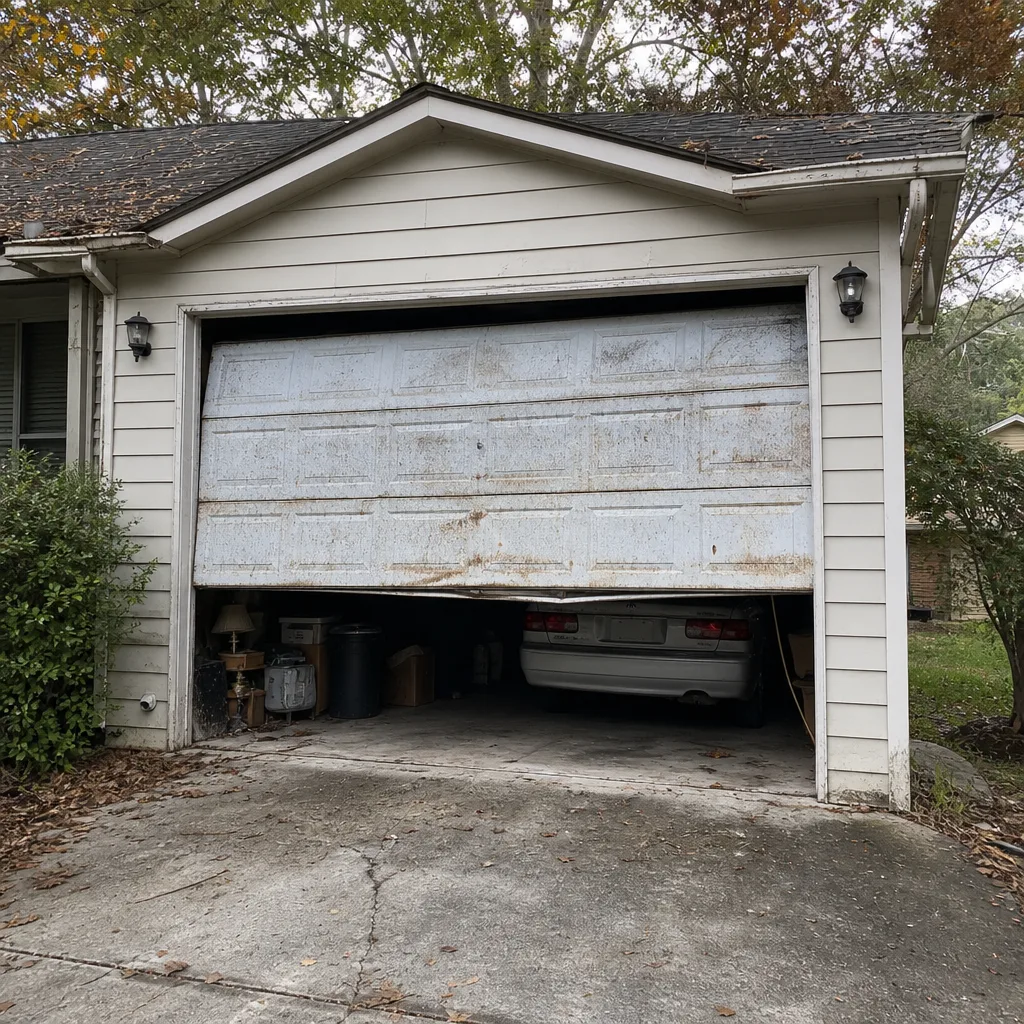 Before
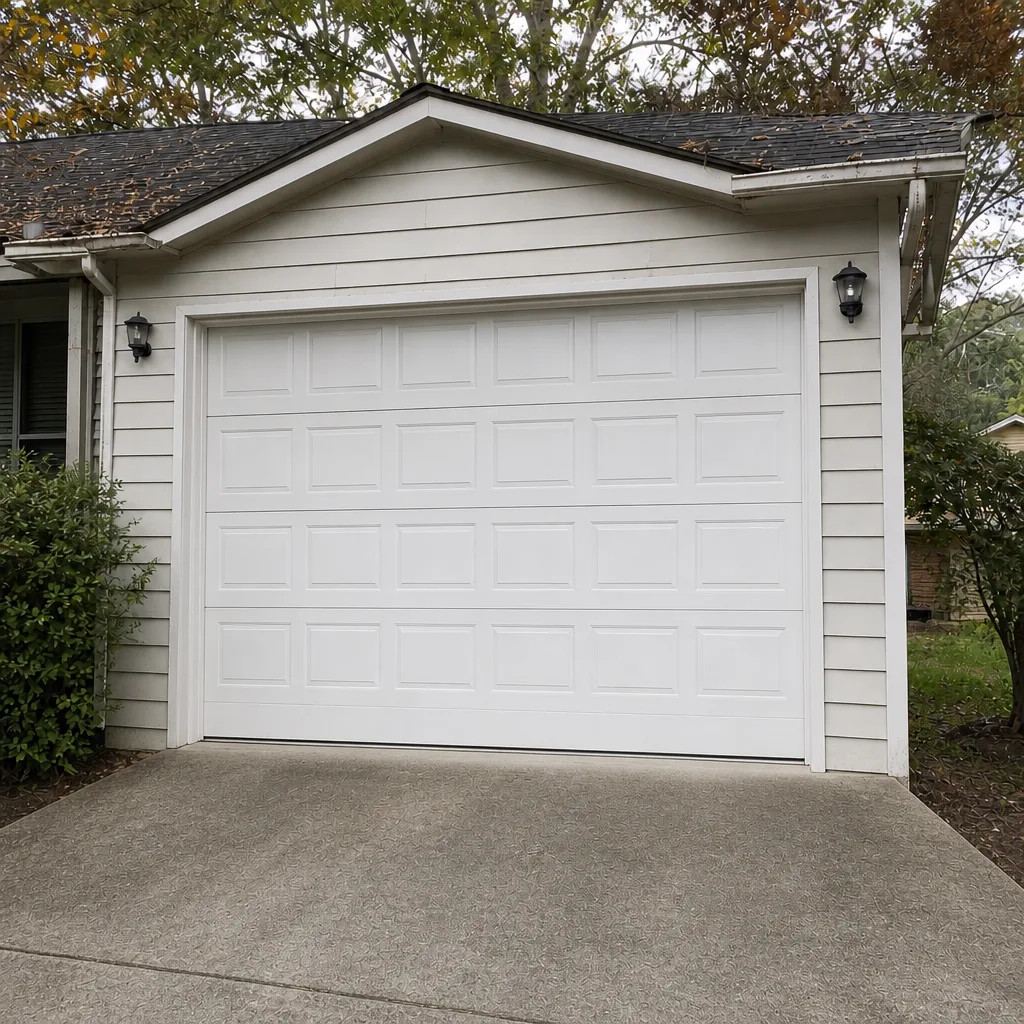 After
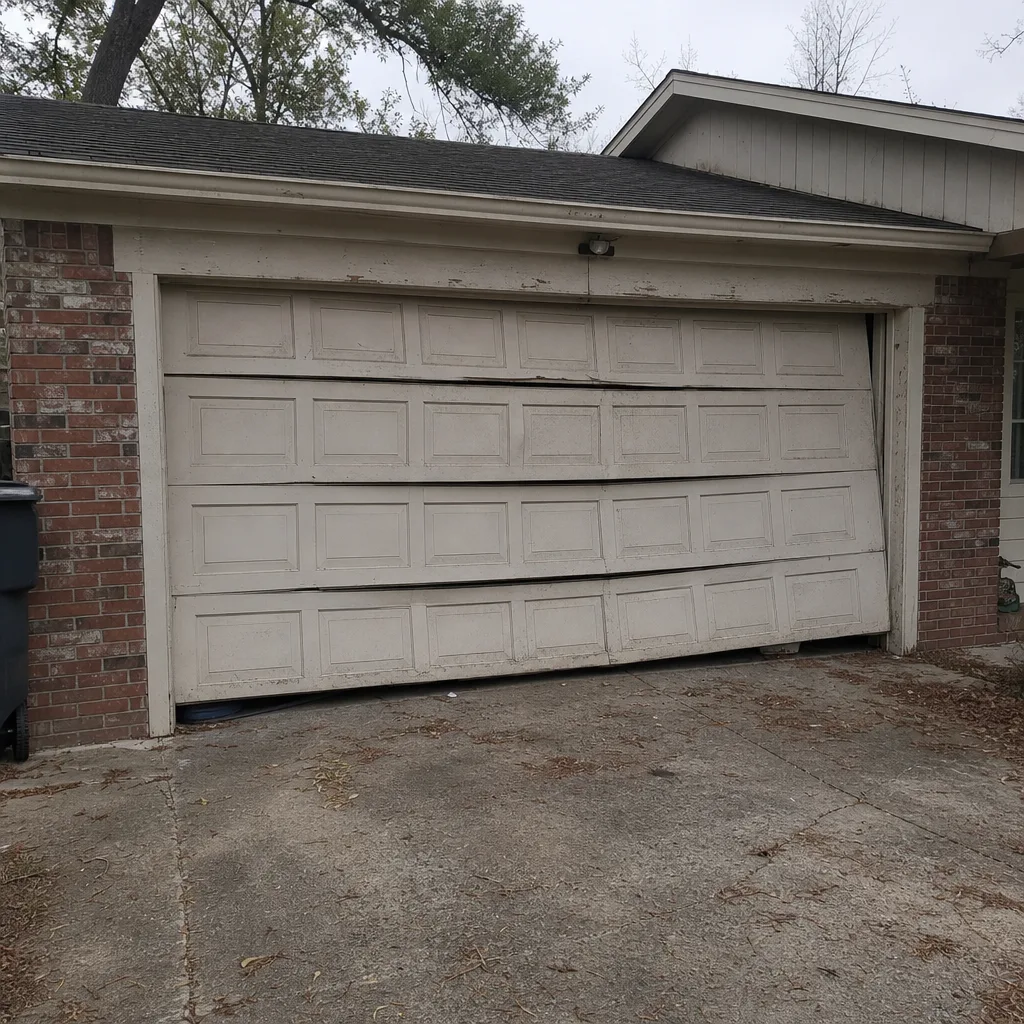 Before
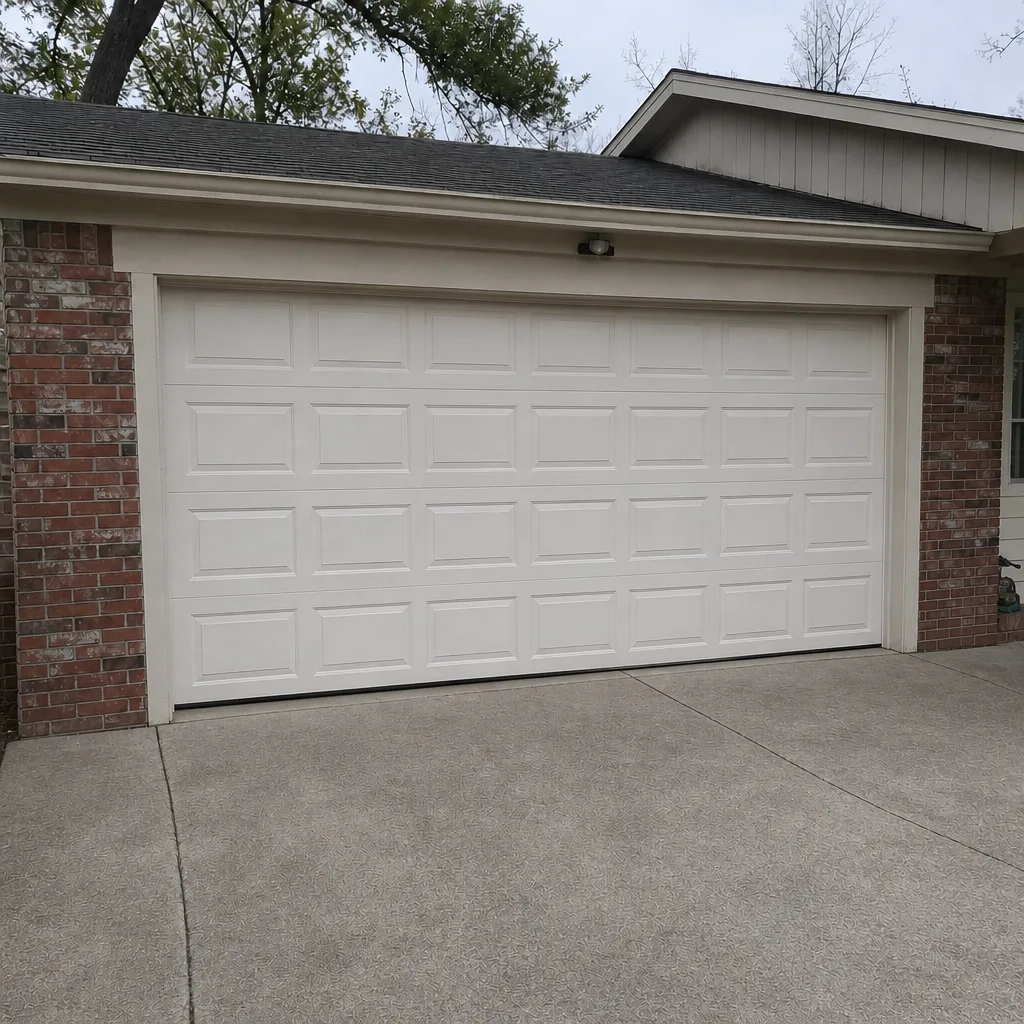 After
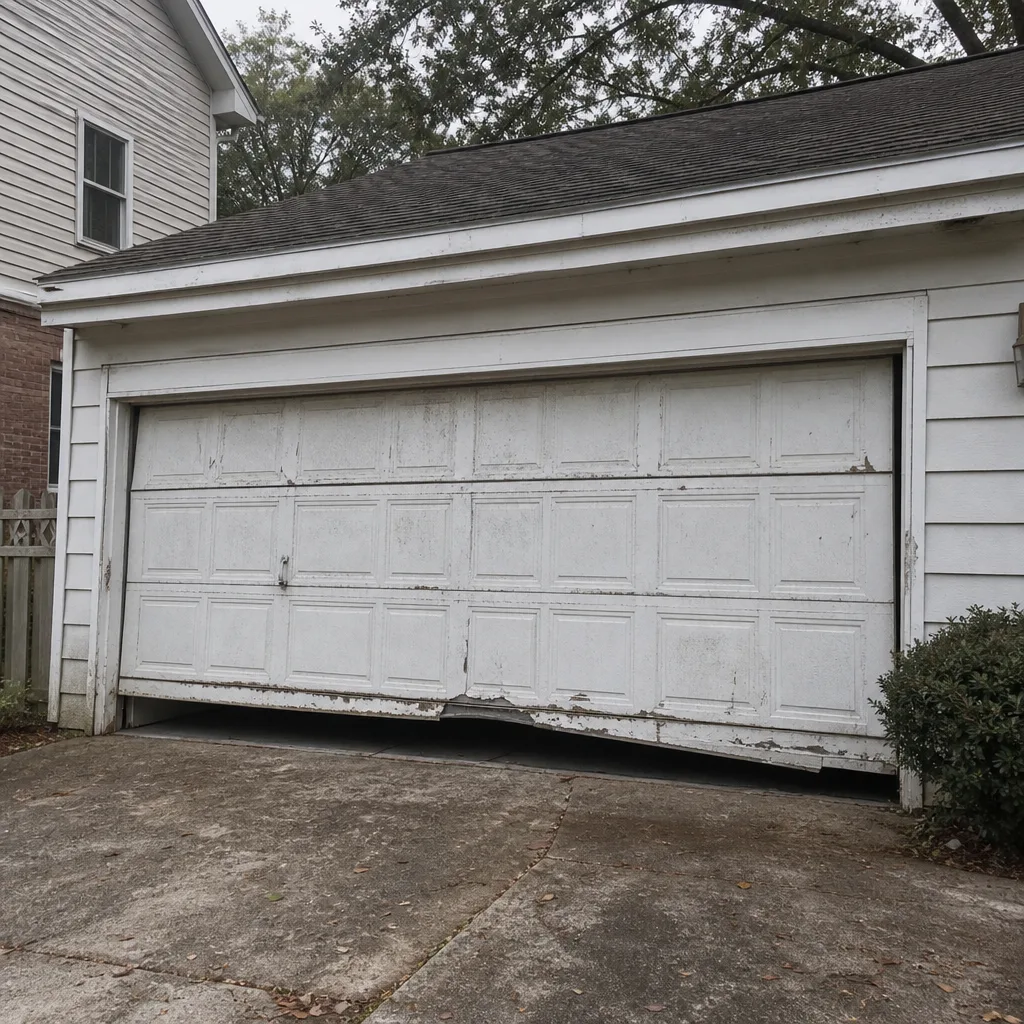 Before
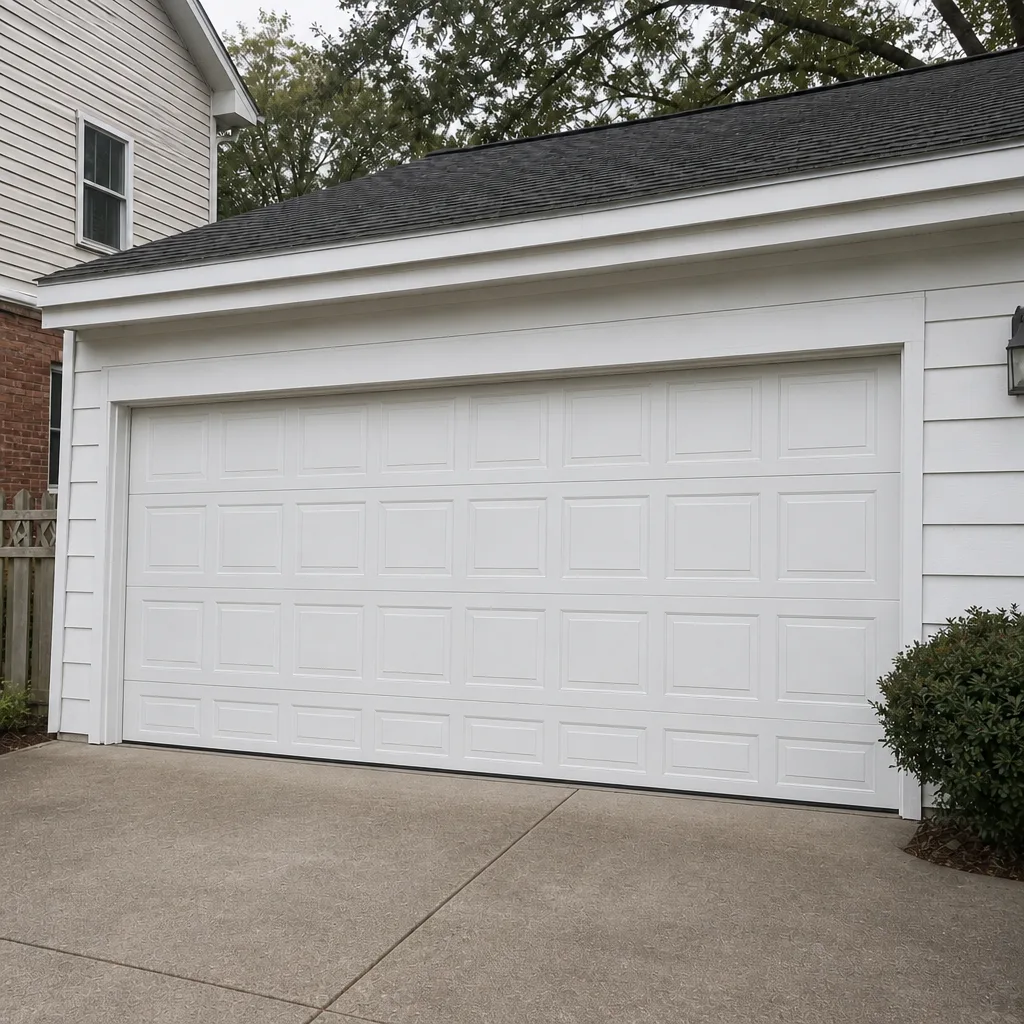 After
When to Call a Professional
Call a professional for anything involving springs, cables, or the opener’s internal drive and electronics. Those systems carry stored energy or delicate circuitry, and a wrong move can mean injury or a more expensive repair. Call us if your door is too heavy to lift, if the door hangs crooked, if the opener hums without moving the door, if the door reverses for no reason after the sensors are clean and aligned, or if a track is visibly bent. We’ve seen the seasonal binding that comes with Columbia’s humidity turn a simple roller replacement into a full hardware job when it’s left alone, and a quick diagnosis stops that. Clarity Garage Door Service offers free estimates in Columbia. We’ll tell you exactly what’s wrong before we touch anything, and we service the brands on your door and your opener so you’re not bounced between contractors. Call (833) 391-2958. We answer 24/7. Fast dispatch from 7am to 7pm, Sunday through Friday.
Frequently Asked Questions
The safety sensors are almost always the cause. Look at the photo-eyes near the floor at each side of the door: if either indicator light is blinking, the beam is broken or misaligned. Clear the path, wipe the lenses, and realign the sensors until both lights are steady. If both are steady and the door still reverses, call (833) 391-2958 for a diagnosis. Estimates are free.
Typical estimates for spring replacement in Columbia run $180 to $340 for a single torsion spring. Because most doors need a matched pair replaced together, budget roughly $360 to $680 for both springs. The written estimate sets the final price, and we agree on it before any work starts. Call (833) 391-2958 for an exact quote.
Same-day service is often possible for repair work, depending on the day and the parts involved. Call (833) 391-2958. We answer 24/7, and fast dispatch runs from 7am to 7pm, Sunday through Friday. We’re closed on Saturday.
No. We diagnose the door, tell you what’s wrong in plain language, and quote a price before any work is authorized. If the scope changes once the door is open and we see something unexpected, we stop and explain before proceeding. You approve the price before we turn a bolt.
Our technicians are experienced professionals and we stand behind the work they do. The team has up to 8 years of experience across the major door and opener brands, including LiftMaster, Chamberlain, Genie, and Raynor. Call (833) 391-2958 with your model and symptom and we’ll tell you what to expect.
Probably not. A humming motor that doesn’t move the door usually means the trolley carriage is disengaged or the drive gear is stripped, not that the motor itself has failed. Check the emergency release cord first and re-engage the carriage. If that doesn’t solve it, call (833) 391-2958 and we’ll diagnose the drive system. Estimates are free.
The Bottom Line
Most garage door problems in Columbia come down to one of four systems, and the fastest way to a fair repair is to figure out which one is failing before you call. Springs and cables need a professional, full stop. Sensors, remotes, and batteries are safe to handle yourself. The cost difference between a sensor realignment and a spring replacement is significant, so diagnose by system rather than by symptom. If you’re not sure, call. We answer 24/7 and dispatch from 7am to 7pm, Sunday through Friday.
For a free estimate and a straight answer about your door, call Columbia‘s Clarity Garage Door Service at (833) 391-2958. We handle garage door repair for the full system, from the spring to the smart opener, and we’ll tell you exactly what’s wrong before we touch anything.
Written by the team at Clarity Garage Door Service.