
Last updated November 15, 2026
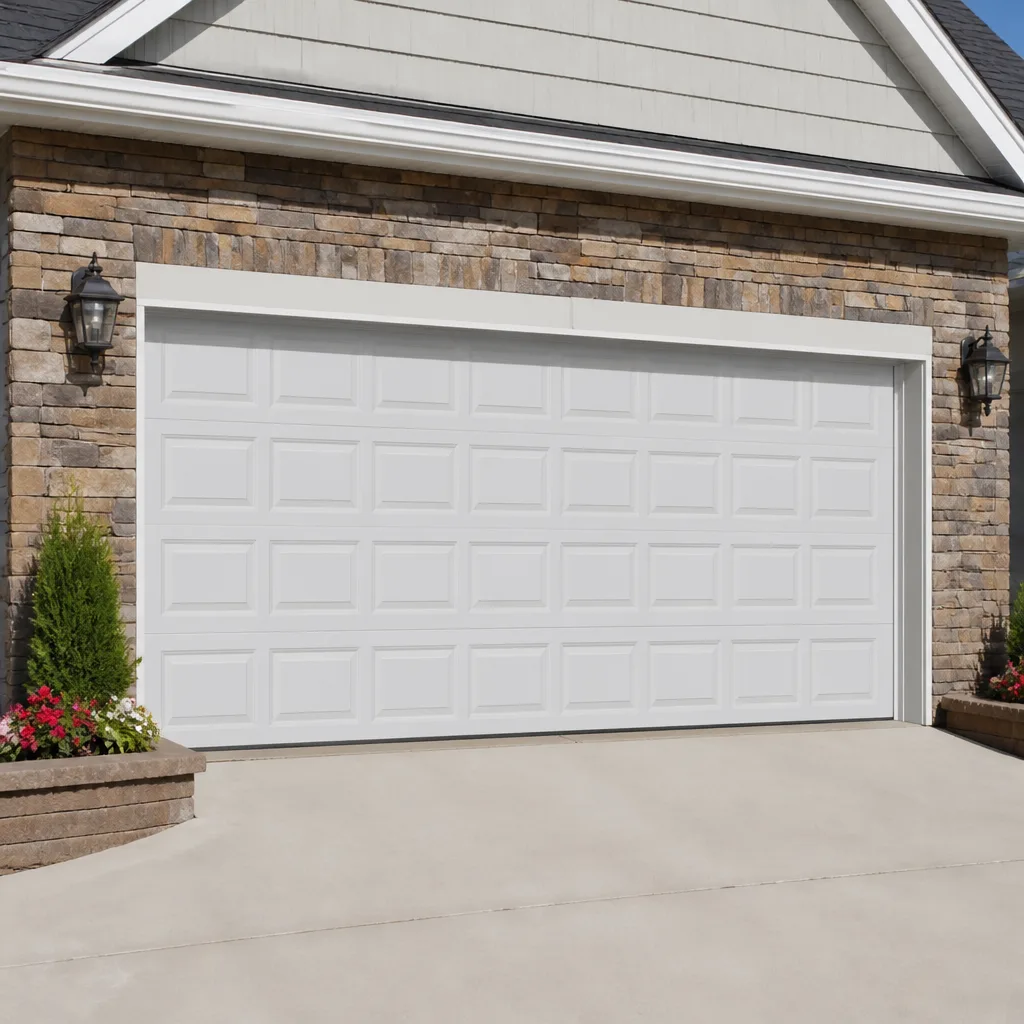 Raised-panel steel
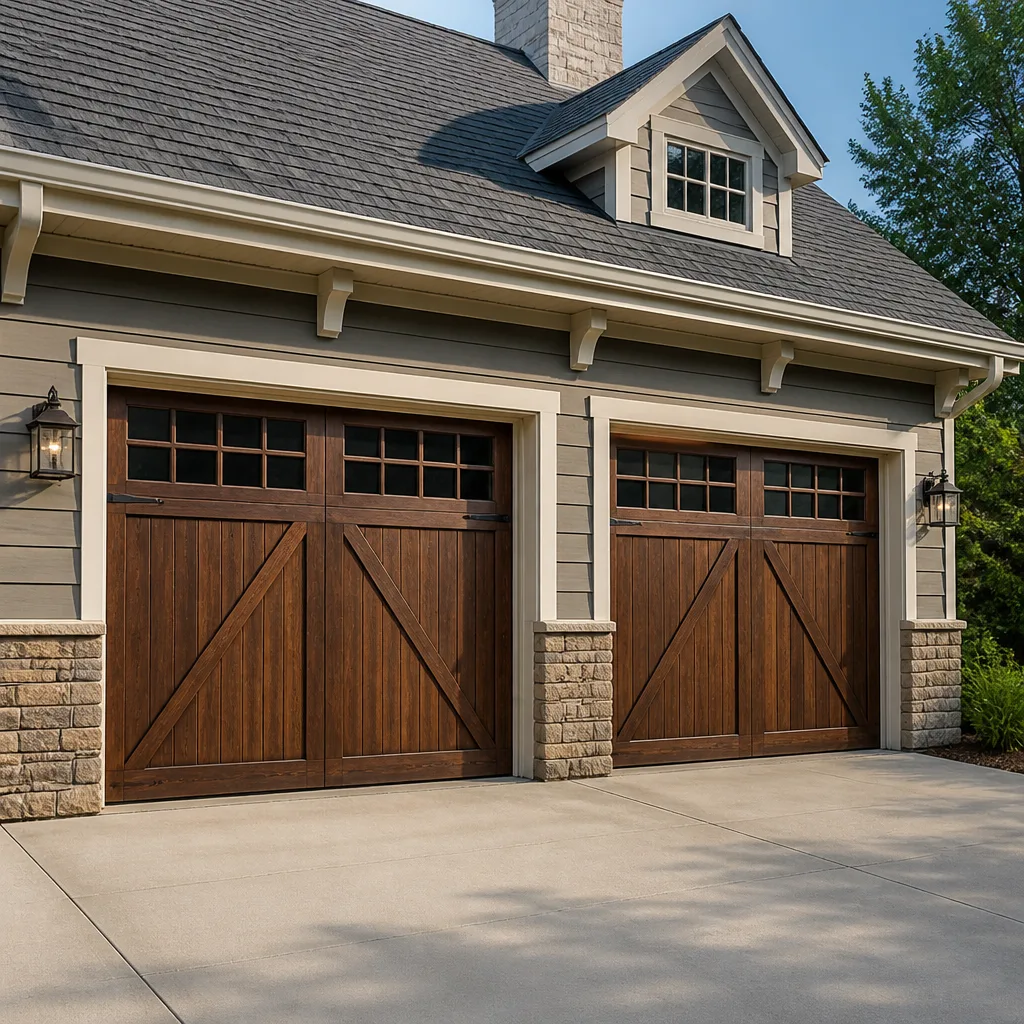 Carriage house
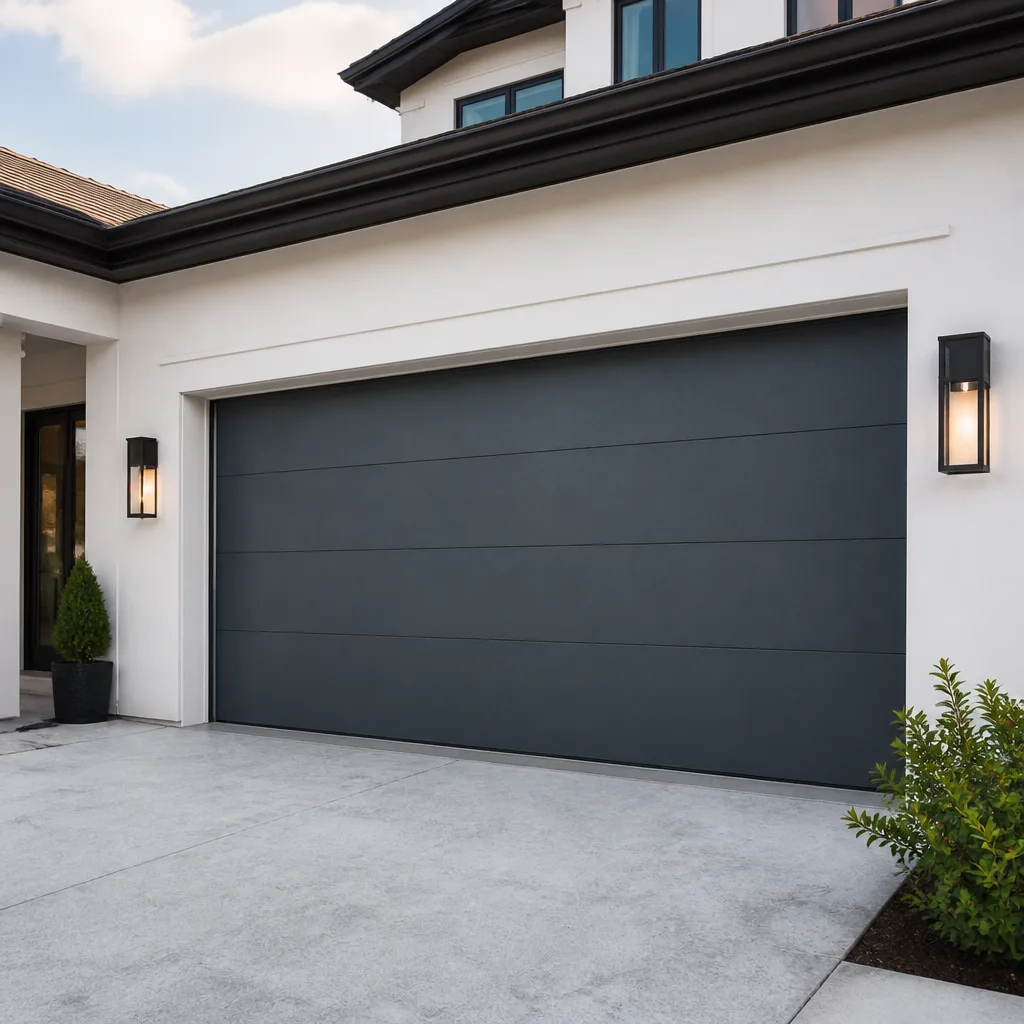 Modern flush
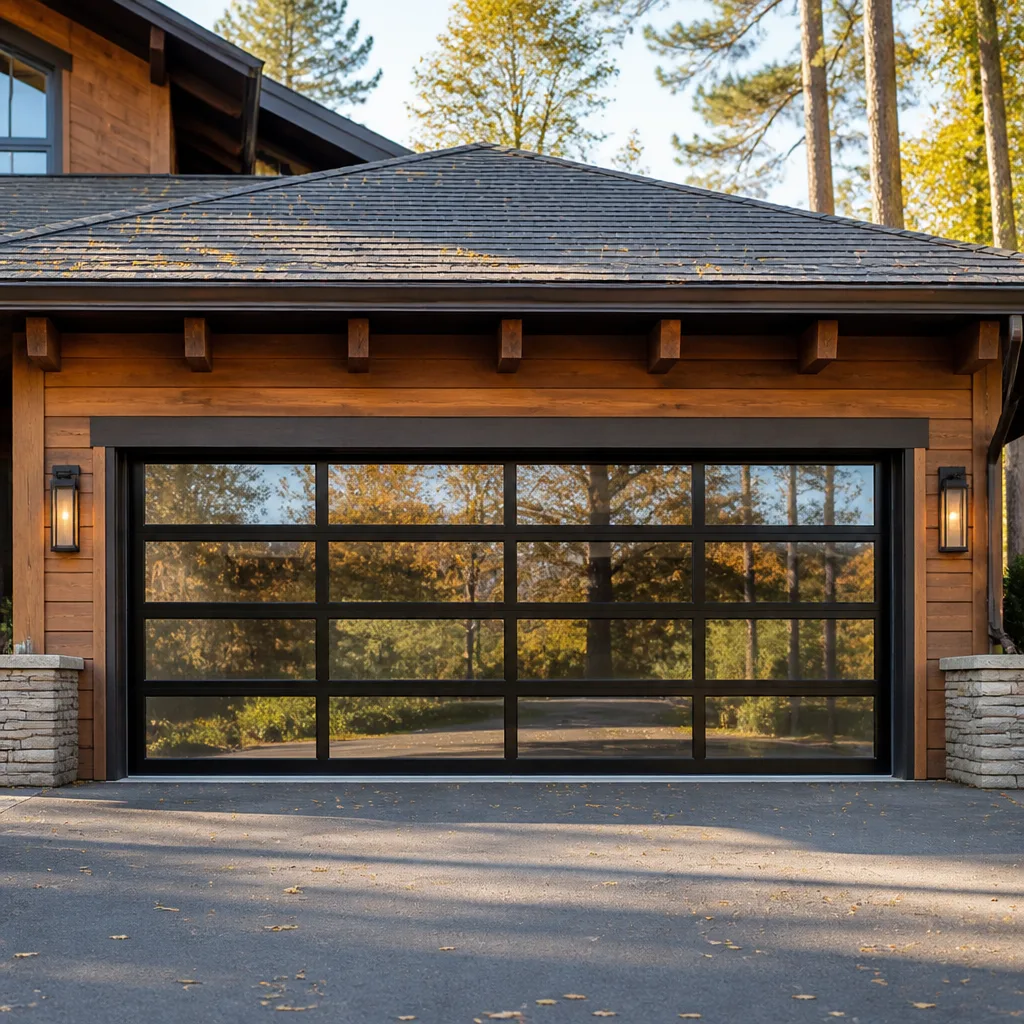 Full-view glass
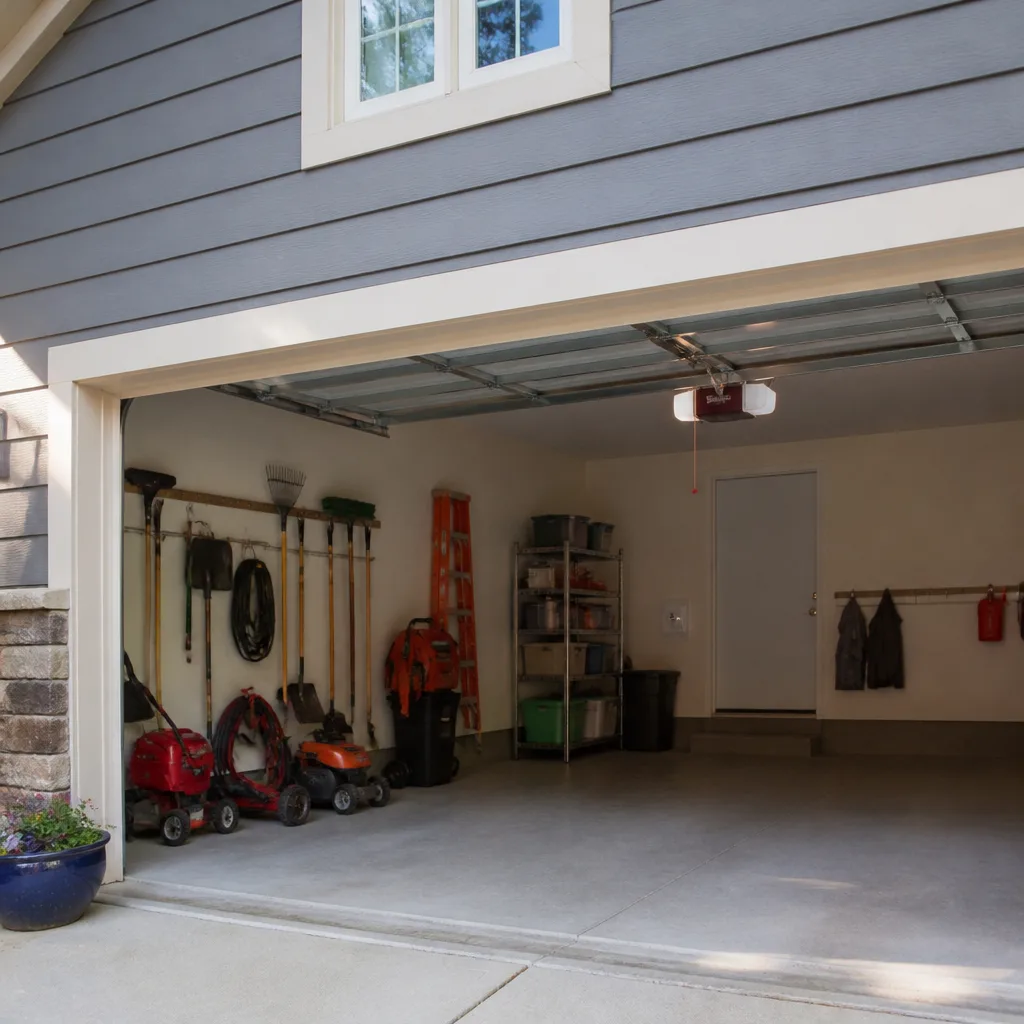 LiftMaster openers
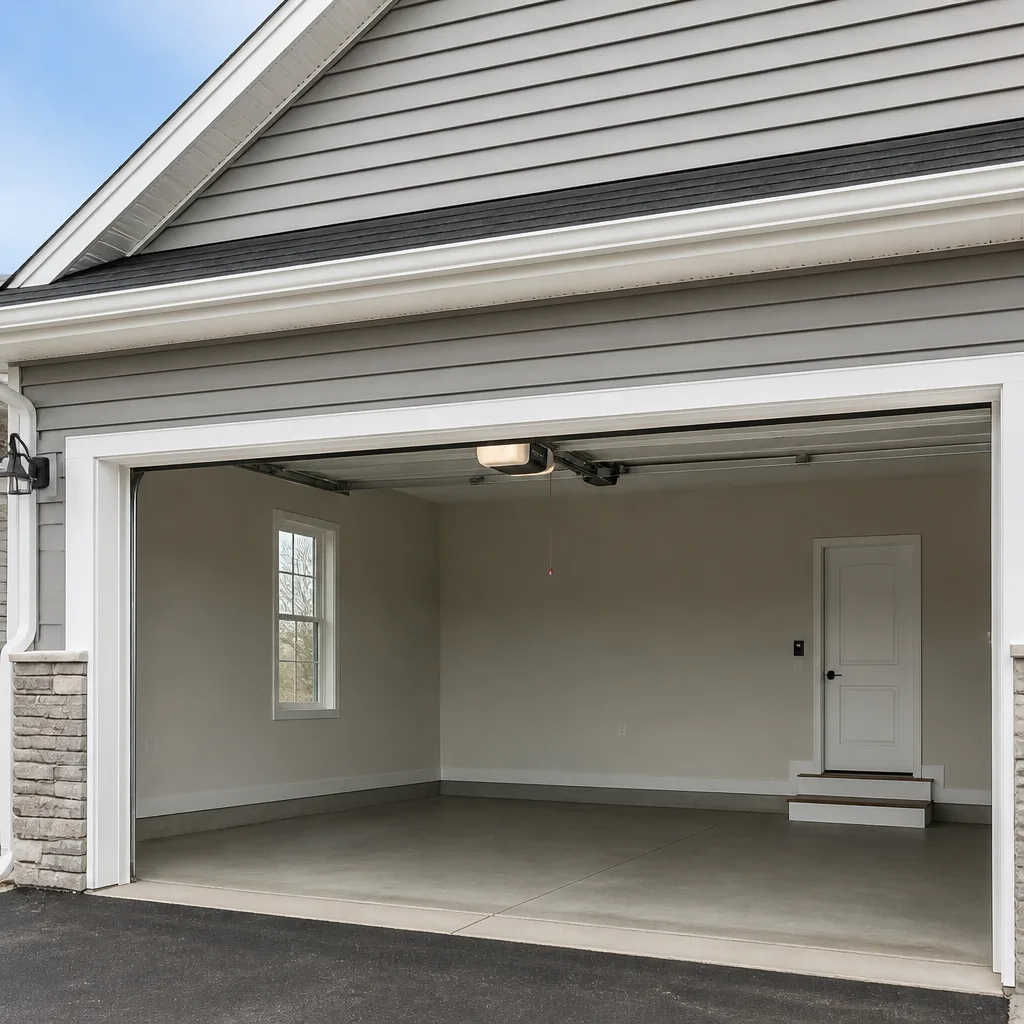 Chamberlain openers
Full 25-point door and opener safety check with every visit - springs, cables, rollers, tracks, and your LiftMaster or Chamberlain opener included
You get a price before we start. It does not change when the pro arrives.
Get your free estimateGarage Door Repair Maintenance Schedule: What to Do and When
The average garage door cycles about 1,500 times a year. Most homeowners do zero maintenance until something breaks. And the parts that fail first aren’t the ones people think to check – it’s rarely the opener, and it’s almost never the door panel. It’s the springs, cables, and rollers that quietly wear out over thousands of open-and-close cycles while nobody’s watching. A maintenance schedule only works if it’s built around how a door actually ages through the year, not a generic quarterly checklist copied from a manufacturer’s pamphlet. In Columbia, that means timing your biggest checks to spring and fall, not January and July. This guide walks through exactly what to check, when, and which tasks you should leave to a technician.
Styles & brands we work with
- Raised-panel steel
- Carriage house
- Modern flush
- Full-view glass
- LiftMaster openers
- Chamberlain openers
Quick Answer
A workable garage door maintenance schedule means a quick visual and safety check every month, lubrication and a full inspection twice a year, and a professional tune-up once a year. In Columbia, schedule the two big checks for early spring and late fall, when humidity swings and temperature shifts put the most stress on springs, tracks, and hardware. Homeowners can handle inspection, lubrication, sensor testing, and the manual release test. Spring tension, cable tension, and opener limit adjustment belong to a trained technician.
Table of Contents
- Why a Columbia Schedule Looks Different
- The Monthly Check: 15 Minutes, Four Tasks
- Spring Check: Post-Humidity Inspection (What to Look For)
- Fall Check: Pre-Winter Contraction
- The Lubrication Map: What Gets Oil, What Never Does
- Reading the Wear: Concrete Signs on Springs, Cables, and Rollers
- Homeowner Tasks vs. Technician Tasks
- The One-Page Printable Checklist
- Common Mistakes to Avoid
- When to Call a Professional
- Frequently Asked Questions
- The Bottom Line
Why a Columbia Maintenance Schedule Looks Different
Columbia’s climate does two things to a garage door that a mild year-round climate doesn’t. Summer brings sustained humidity and heat that make wood door frames and steel tracks expand slightly. Then fall delivers a temperature drop that contracts them back. That expansion-contraction cycle happens twice a year with real force, and it’s the window when hardware loosens, tracks shift out of alignment, and weather seals start pulling away from the frame.
So instead of the calendar-quarter approach many guides suggest, we build the schedule around Columbia’s two high-stress seasons. The spring check comes after months of summer-style heat and humidity have done their work. The fall check catches everything that shifted during the cool-down, before winter settles in. January and July checks are far less useful here because the door isn’t under the same mechanical stress in those months.
This matters because a door that’s never maintained through those two transition windows tends to fail in the middle of a season, not at a convenient time. If you notice a problem and need garage door repair, the fix is usually straightforward once the cause is diagnosed. But the point of a schedule is to catch these things before they become repairs at all.
Columbia’s older housing stock adds its own wrinkle. Homes with original wood frame garages see more seasonal movement than newer steel-frame construction, and doors that were installed years ago often have hardware reaching the far end of its service life. That’s not a reason to panic, but it does mean the two-season check is worth more attention in older neighborhoods. The schedule is the same wherever you are in Columbia, South Carolina – the difference is how carefully you follow it.
The Monthly Check: 15 Minutes, Four Tasks
A monthly visual and safety check takes about 15 minutes and catches most problems while they’re still small. You don’t need tools for three of the four tasks. This isn’t about fixing anything – it’s about noticing. Keep it simple, do it on the same weekend each month, and the door will tell you when something’s changing.
- Listen to the door. Open and close it once. You’re listening for grinding, scraping, popping, or a rhythmic thump. A door that was quiet last month and is noisy this month is sending you a signal. Note roughly where the sound comes from – the top, the middle, the tracks.
- Run the sensor test. Close the door and, as it’s coming down, pass your hand through the beam at the bottom. The door should reverse immediately. If it doesn’t, stop using the automatic opener and test again. A sensor that fails this test is a safety issue, not an inconvenience.
- Test the manual release. With the door closed, pull the red release handle. The door should detach from the opener and lift smoothly by hand. Reattach it before using the opener again. If the door is hard to lift by hand, that’s a sign the springs are losing tension.
- Look at the tracks and rollers. A quick visual scan for anything bent, cracked, or sitting out of the track. You’re not fixing – just noting.
Fifteen minutes once a month. That’s it. Everything else in this schedule builds on what these monthly checks turn up. If you notice something in a monthly check and it doesn’t resolve on a second look, that’s when the twice-a-year inspection gets more detailed. In Columbia’s humid summers, pay extra attention in July and August to any swelling or sticking at the door’s bottom seal.
Spring Check: Post-Humidity Inspection (What to Look For)
The spring check follows the humid stretch, when heat and moisture have pushed wood, steel, and hardware to their expanded limits. This is the inspection that catches the loose stuff before it becomes a failure. It takes 30 to 45 minutes if you’re thorough. Do it once the weather stabilizes, and bring a flashlight.
What to look at, in order:
- Track alignment. Stand at the door and look along both vertical tracks. They should be straight and plumb, running parallel to each other. A track that’s bowed, spread, or tilted is a sign the frame shifted during the humid months. Don’t bend it back yourself – a bent track that gets forced can bind the door and damage rollers.
- Hinge bolts and brackets. Every hinge and bracket on the door face should be snug. Check each one with a screwdriver or wrench. Loose bolts are the single most common finding after a humid summer in Columbia, and tightening them takes five minutes.
- Weather seal at the bottom. Run your hand along the bottom seal. It should sit flush against the floor with no gaps and no cracks. Columbia’s summer moisture softens the rubber, so splits and tears show up here first. A worn seal lets in heat, humidity, and pests.
- Spring and cable visual. Look at the torsion spring above the door – the coil should be intact with no visible gaps between coils. Cables should be straight, with no fraying or rust. Note anything suspicious; don’t try to adjust either.
- Rollers. Look at each roller where it meets the track. The roller should turn freely and sit inside the track without wobble. A roller that’s chipped, cracked, or grinding is a candidate for replacement.
If any of those checks turn up something you can’t resolve, that’s when to have it looked at by a technician. The spring check’s purpose is to catch the wear before autumn’s cooler air adds another round of contraction on top of it. Skipping it in Columbia means the fall check has twice as much to catch up on.
Fall Check: Pre-Winter Contraction
Fall’s check is the mirror image of the spring check, but it focuses on what happens when the door cools and contracts. The same hardware that loosened in summer humidity can shift again as temperatures drop. This check runs 30 minutes and is best done once the cooler weather has settled in. It’s the second of Columbia’s two high-stress windows.
What to focus on:
- Re-check hinge and bracket snugness. Bolts that were tight in spring often work loose again through the autumn contraction. Go around the door face and snug everything that has a fastener. This is the single highest-value fall task.
- Weather strip around the frame. The door’s perimeter seal plus the bottom seal both take a beating as the frame contracts. Look for gaps, peeling, or brittle sections. A seal that’s dried out or split will let cold air and moisture in and should be replaced.
- Torsion spring and cables again. A visual check, same as spring. Cold temperatures make springs more brittle, so any sign of a gap in the coil or a stretched, sagging spring is worth a technician’s opinion before winter.
- Opener response. Test the door’s full cycle in both directions and watch the opener’s travel. If the door stops short, reverses unexpectedly, or the opener strains, have it looked at. This is the season when limit settings get pushed out of adjustment.
- Lubrication pass. Fall is one of the two annual lubrication points. See the lubrication map below for exactly what gets oiled and what doesn’t.
Doing both checks puts you in step with Columbia’s actual climate cycle, which is the whole point. A door that gets checked in early spring and late fall outlasts one that only gets looked at when something has already gone wrong. And if you’re not sure whether a noise or a wobble is worth a technician, err on the side of getting a second opinion – it’s a free diagnosis.
The Lubrication Map: What Gets Oil, What Never Does
Lubrication is where most DIY maintenance goes wrong, not because it’s complicated, but because people lubricate the wrong parts. Getting this right extends the life of the door’s moving components. Getting it wrong can accelerate wear or create a dangerous situation.
Use a garage-door-specific lubricant – a white lithium grease or a silicone-based spray works well for most parts. Don’t substitute general-purpose oil, and don’t spray everything in sight.
What gets lubricated:
- Rollers: the roller shafts and bearings, not the plastic or nylon wheels themselves. One or two drops per roller shaft is enough. Metal rollers with bearings benefit most; plastic rollers need only the shaft.
- Hinges: a light spray at each hinge pivot point. This is where the door flexes, so hinge joints benefit from regular lubrication.
- Track curve points: the curved section where the vertical track transitions to the horizontal, lightly.
- The opener’s chain or screw drive (if the opener uses one). Follow the manufacturer’s spec for the specific opener – LiftMaster, Chamberlain, Genie, and Craftsman systems have different recommendations, and a generalist handyman often gets this wrong. That’s the sort of thing our garage door opener repair team handles by checking the actual model.
What never gets lubricated:
- Springs. Springs are under enormous tension – the coil tension stores enough energy to cause serious injury. Never apply WD-40 or any oil to a spring. Lubricating a spring does nothing useful, attracts dirt, and can make the coil harder to inspect. Leave springs alone entirely.
- Plastic or nylon rollers. These are designed to run dry. Lubricant on plastic rollers attracts grit, which grinds against the wheel and accelerates wear. Only the shaft gets a drop.
- Track surfaces themselves. The inside of the track where rollers run should stay clean and dry. Oil on the track collects debris and holds it where it does the most damage.
- Photo-eye sensors. Never spray lubricant near the sensors at the bottom of the door. A film of oil on the lens will cause the sensor to fail.
The two annual lubrication passes – one in spring, one in fall – are enough for most Columbia doors. More frequent lubrication doesn’t help; it just attracts dust. If you’re unsure about your specific opener’s drive type, that’s a good question for a technician, and we can tell you exactly what’s recommended before anyone touches anything.
Reading the Wear: Concrete Signs on Springs, Cables, and Rollers
“Check for wear” is useless advice. Concrete indicators tell you when a part is actually near the end of its life. Here’s what to actually look for on the three highest-stress components of any garage door.
Springs (torsion or extension):
- A torsion spring with a visible gap in the coil – a gap of even a quarter inch between coils that wasn’t there before – indicates weakening or breakage.
- An extension spring with a stretched, sagging look, or one that’s longer than its twin, has lost tension.
- A door that’s suddenly hard to lift by hand points to spring fatigue. A door in good repair lifts with modest effort and stays where you put it.
- A loud bang from the garage at any point is often a spring letting go. If that happens, keep the door closed and don’t operate it. Call a technician.
Cables:
- Fraying – any strand of the cable that’s separated from the bundle – is a fail sign. A frayed cable should not be operated until checked.
- Rust on the cable wire, especially near the drum or bottom bracket, is a sign of moisture intrusion and weakening.
- A cable that’s slack or sitting unevenly on its drum has likely jumped or stretched. Don’t touch it – cables under load are dangerous.
Rollers:
- A roller that wobbles inside its bracket or has visible play at the shaft is worn.
- A roller with a flat spot or crack on the wheel face will make rhythmic noise as it runs the track.
- A roller that grinds or squeals even after lubrication indicates bearing failure.
- Rollers that are seized and won’t spin by hand need replacement before they damage the track.
Use these indicators during both the spring and fall checks. If you find multiple worn parts at once, that’s normal – they tend to age together. A Clopay, Amarr, or Wayne Dalton door that’s been in service a long time often has several components all reaching the end of life at the same moment. We can diagnose exactly what needs replacing and what’s still got life left, and the written estimate is what sets the price before anything starts.
Homeowner Tasks vs. Technician Tasks
The line between what you should do and what a technician should do isn’t about difficulty. It’s about safety. Some tasks involve stored energy that can release instantly and cause serious injury. Others need specialized tools and the knowledge to read the results. Here’s the clean split.
Homeowner-level tasks (safe to do yourself):
- Visual inspection of the door, tracks, rollers, hinges, springs, and cables. Looking is always safe.
- Lubrication per the map above – rollers, hinges, chain or screw drive, track curves.
- Sensor test – the hand-in-the-beam test and the sensor light check.
- Manual release test – pulling the release handle and lifting the door by hand to check its weight.
- Fastener snugness – checking hinges and brackets with a wrench. Snugging a bolt is safe; anything that requires unbolting a load-bearing component is not.
- Bottom seal and weather strip replacement – usually a straightforward job for a homeowner.
Technician-level tasks (do not try these yourself):
- Spring tension adjustment or replacement. A torsion spring can store enough energy to cause serious injury if it releases unexpectedly. Never attempt this.
- Cable tension adjustment or replacement. Cables under load can snap and whip. This is a trained-technician task.
- Opener limit adjustment and force settings. These require knowing the specific opener’s spec – LiftMaster, Chamberlain, Genie, and Craftsman each have their own procedures, and a wrong setting can cause the door to reverse or fail to close safely.
- Track realignment. Straightening a bent track under tension is not a homeowner job.
- Any work on a door that won’t move or has a snapped spring. Stop using it and call.
This split is what makes a maintenance schedule realistic. You’re not expected to do the dangerous work – you’re expected to know when it’s needed and get it in front of someone qualified. Our technicians have up to 8 years of experience across doors and openers from Genie, LiftMaster, Chamberlain, Craftsman, Clopay, Amarr, Wayne Dalton, and Raynor, so the diagnosis tells you what’s actually wrong rather than guessing at it.
The One-Page Printable Checklist
A schedule you can’t use doesn’t get used. Here’s the entire maintenance cycle on one page, with estimated time per task. Print it, stick it on the wall, and work through the tasks that match the season.
Monthly (about 15 minutes):
- Open and close the door once – listen for new noises (2 min)
- Sensor test – hand in beam, door reverses (2 min)
- Manual release test – door detaches and lifts smoothly (3 min)
- Visual scan of tracks and rollers (3 min)
- Note anything unusual for the seasonal check (5 min)
Spring (post-humidity, about 45 minutes):
- Track alignment check – both vertical tracks straight and parallel (5 min)
- Hinge and bracket snugness – every fastener (15 min)
- Bottom weather seal inspection (5 min)
- Spring and cable visual check (5 min)
- Roller inspection – wobble, cracks, grinding (5 min)
- Full lubrication pass per the map (10 min)
Fall (pre-winter, about 30 minutes):
- Re-check hinge and bracket snugness (10 min)
- Perimeter weather strip and bottom seal inspection (5 min)
- Spring and cable visual check (5 min)
- Opener full-cycle test – watch for short-stops or reversal (5 min)
- Full lubrication pass (5 min)
Annually (one professional tune-up): spring tension check, cable tension check, opener limit and force adjustment, and a full mechanical assessment. This is the one that catches what the homeowner checks can’t see.
If a spring or cable looks off during any of those checks, don’t wait for the seasonal window to close. Call (833) 391-2958. We answer 24/7, with fast dispatch from 7am to 7pm, Sunday through Friday, so you’re not stuck with a door that won’t move. A snapped spring in Columbia is a same-day call for us, not a “next week” thing.
Common Mistakes to Avoid
- Lubricating the springs. WD-40 on a torsion spring does nothing helpful and can make the coil harder to inspect. Springs are the one part that should always be left completely alone.
- Oiling plastic rollers. Plastic rollers are designed to run dry. Lubricant on the wheel attracts grit, which grinds against the track and wears the roller out faster than no lubrication at all.
- Skipping the fall check because the door “worked all summer.” The fall check catches what summer expansion did and what autumn contraction will do. A door that felt fine in September can have loose hardware by November. Columbia’s seasonal swing makes this the second most important check of the year.
- Trying to adjust opener limits without the model spec. Genie, LiftMaster, Chamberlain, and Craftsman openers all have different adjustment procedures. Guessing at the settings can cause the door to fail to reverse or fail to close. Get the model-specific spec or have it done right.
- Forcing a bent track back into place. A track that’s bent under the weight of a door can snap back or bind. Leave the realignment to a technician.
- Ignoring a single noise. A new grind or a new squeal isn’t normal aging. It’s a part telling you it’s failing. Catch it early and it’s cheap; catch it after the door stops moving and it’s more involved.
- Treating the maintenance schedule as optional. Most garage door repairs we see start as a small wear item that nobody noticed. The schedule exists to catch those before they become repairs – use it.
When to Call a Professional
There are a handful of situations where a professional shouldn’t be optional. If you hear a loud bang from the garage and find the door won’t open, a spring has likely failed – keep the door closed and call. If the door comes down unevenly, stops partway, or reverses without reason, that points to a spring, cable, or opener issue that needs diagnosis. If a cable is frayed or slack, don’t operate the door until it’s checked. And if the door won’t stay up when you lift it by hand, the springs are fatigued.
Clarity Garage Door Service offers free estimates in Columbia – call (833) 391-2958. We work on LiftMaster, Chamberlain, Genie, Clopay, Amarr, Wayne Dalton, Craftsman, and Raynor systems, so there’s a good chance we’ve seen your exact door and opener before. We’ll tell you exactly what’s wrong before we touch anything, and the written estimate sets the price before any work starts.
Frequently Asked Questions
A garage door should be serviced once a year by a professional, with homeowner-level checks and lubrication twice a year – in early spring and late fall for Columbia’s climate. Monthly visual and safety checks fill in the gaps. That schedule catches most wear before it turns into a repair. Call (833) 391-2958 for an exact quote on a tune-up – estimates are free.
No. Never apply lubricant, including WD-40, to a garage door spring. Springs are under extreme tension and lubricating one does nothing useful while making the coil harder to inspect. Leave springs alone and let a technician handle anything spring-related. Call (833) 391-2958 if you’re unsure what needs attention.
A visible gap in a torsion spring coil, a stretched or sagging extension spring, a door that’s suddenly hard to lift by hand, or a loud bang from the garage are the signs a spring needs replacing. Any of those should stop the door from being used until it’s checked. Call (833) 391-2958 for a free estimate and a clear diagnosis.
Columbia’s summer humidity expands wood frames and steel tracks slightly, which can loosen hardware and shift tracks. That’s why the early fall or late summer check is the important one – it catches what the humid months did. Lubricating the hinges and roller shafts, and snugging loose fasteners, usually quiets a door that’s gotten noisy. Call (833) 391-2958 if the noise doesn’t resolve after a lubrication pass.
Springs, plastic or nylon rollers, the inside of the tracks, and the photo-eye sensors should never be lubricated. Springs are under dangerous tension, plastic rollers are designed to run dry, oiled tracks collect grit, and a lubricated sensor lens will fail. Lubricate roller shafts, hinges, and the track curve points only. Call (833) 391-2958 if your opener’s chain or screw drive needs specific guidance.
Only if you have the specific model’s adjustment procedure, because LiftMaster, Chamberlain, Genie, and Craftsman openers all differ. Adjusting a limit without the model spec can cause a door to fail to reverse or fail to close, which is a safety problem. Have it checked by a technician if the door stops short or reverses unexpectedly. Call (833) 391-2958 for a free estimate.
The Bottom Line
A garage door maintenance schedule works when it’s built around your door’s actual wear cycle and your climate, not a generic calendar. In Columbia, that means a monthly 15-minute safety check, a thorough spring check after the humid season, a fall check before the cool-down, two annual lubrication passes, and one professional tune-up a year. Homeowners should handle inspection, lubrication, sensor tests, and manual release testing. Springs, cables, opener limits, and track realignment belong to a technician. Print the checklist, stick to the two seasons that actually matter here, and catch wear before it becomes a repair. Visit Clarity Garage Door Service to see how we work, or browse our Columbia service area if you’re nearby.
If something on the schedule looks off, call (833) 391-2958. We answer 24/7. Fast dispatch from 7am to 7pm, Sunday through Friday. Free estimates, upfront pricing, and a written quote before any work starts.
Written by the team at Clarity Garage Door Service.
See the difference
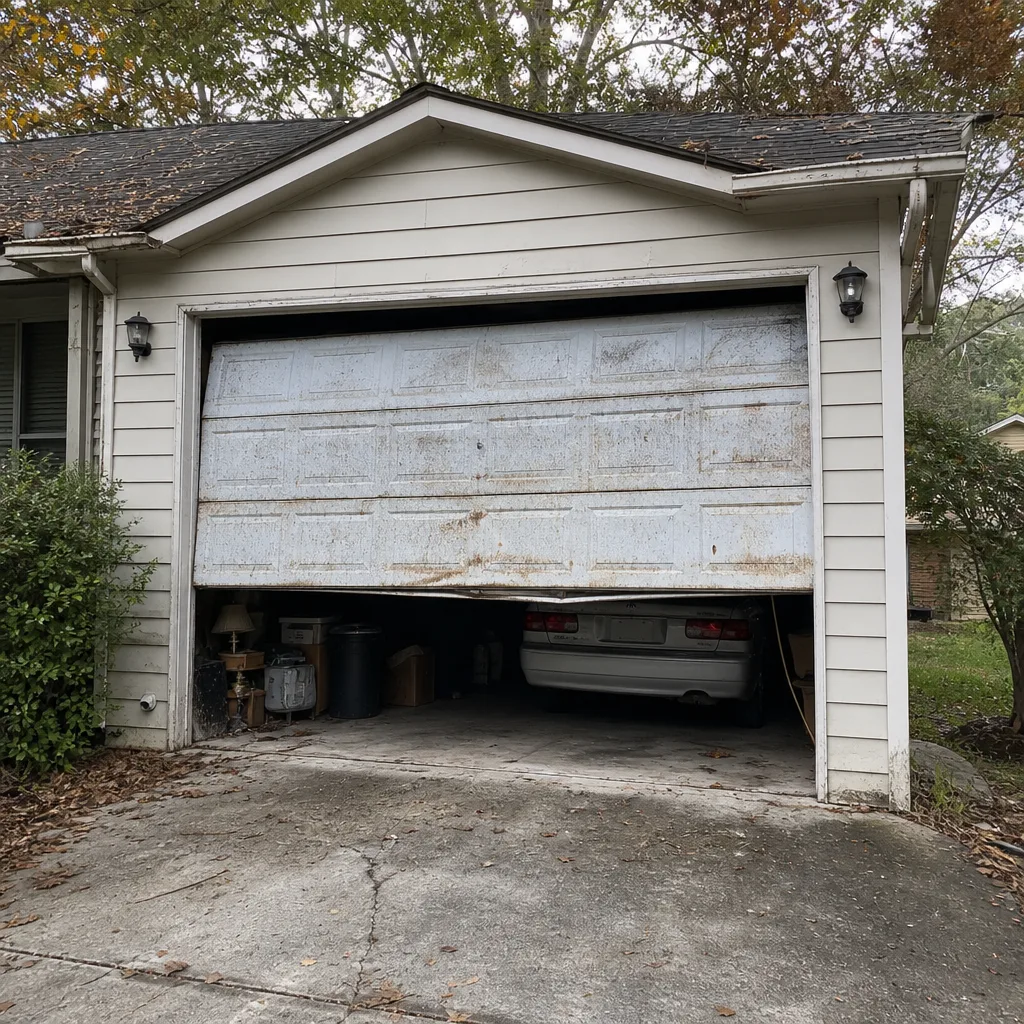 Before
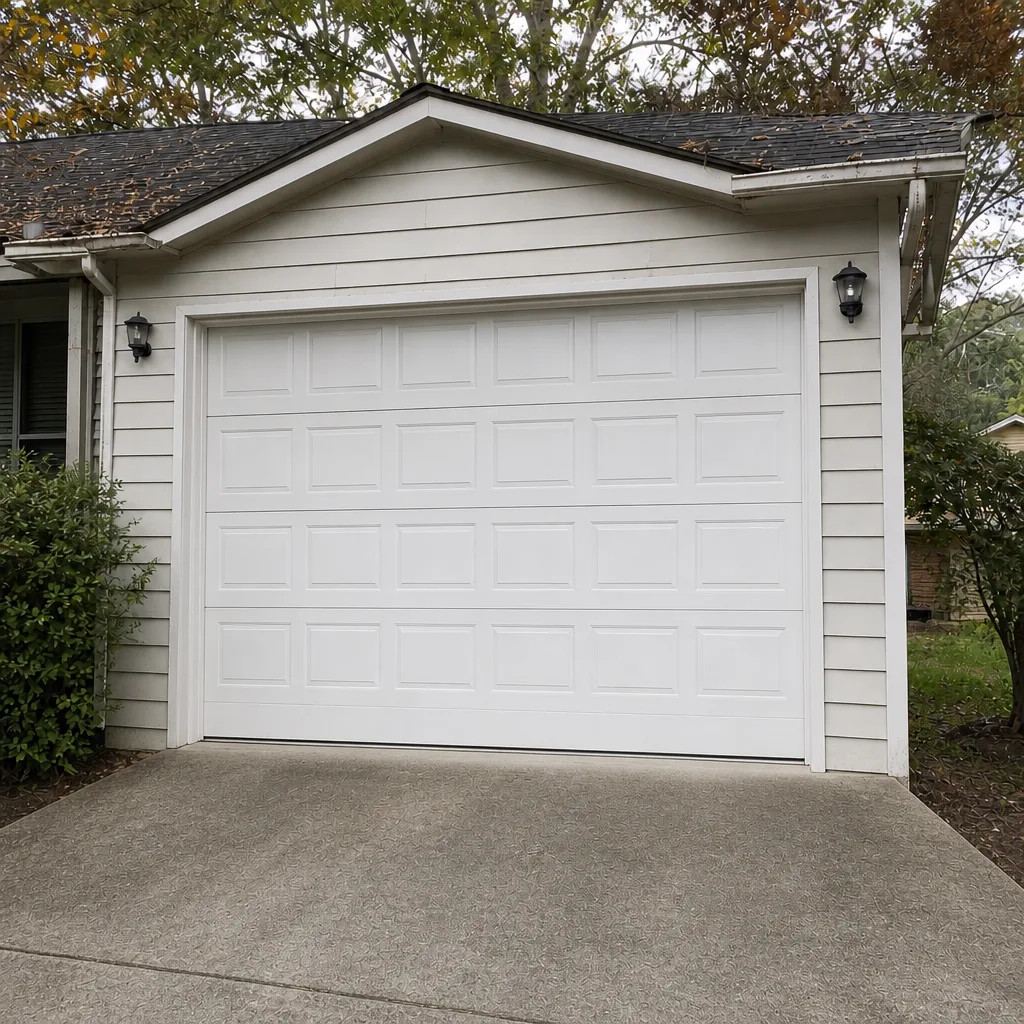 After
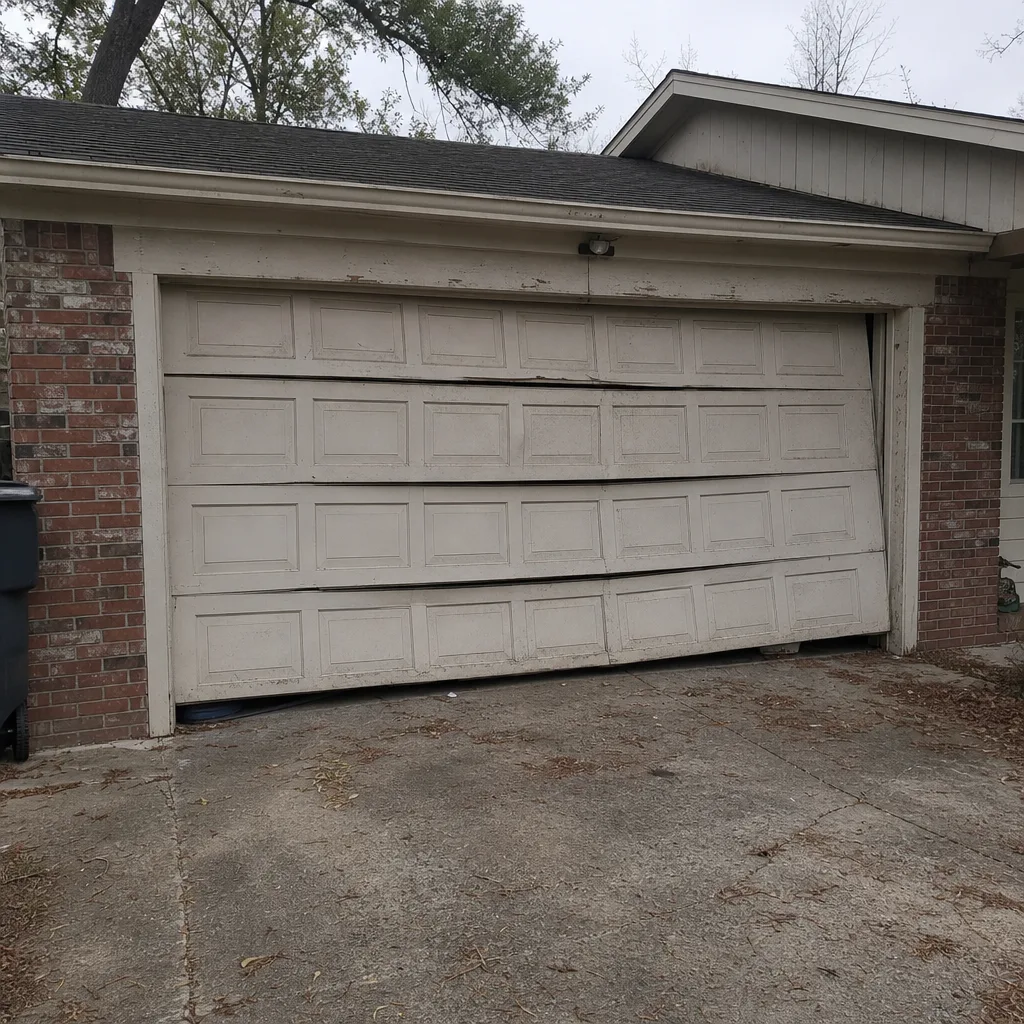 Before
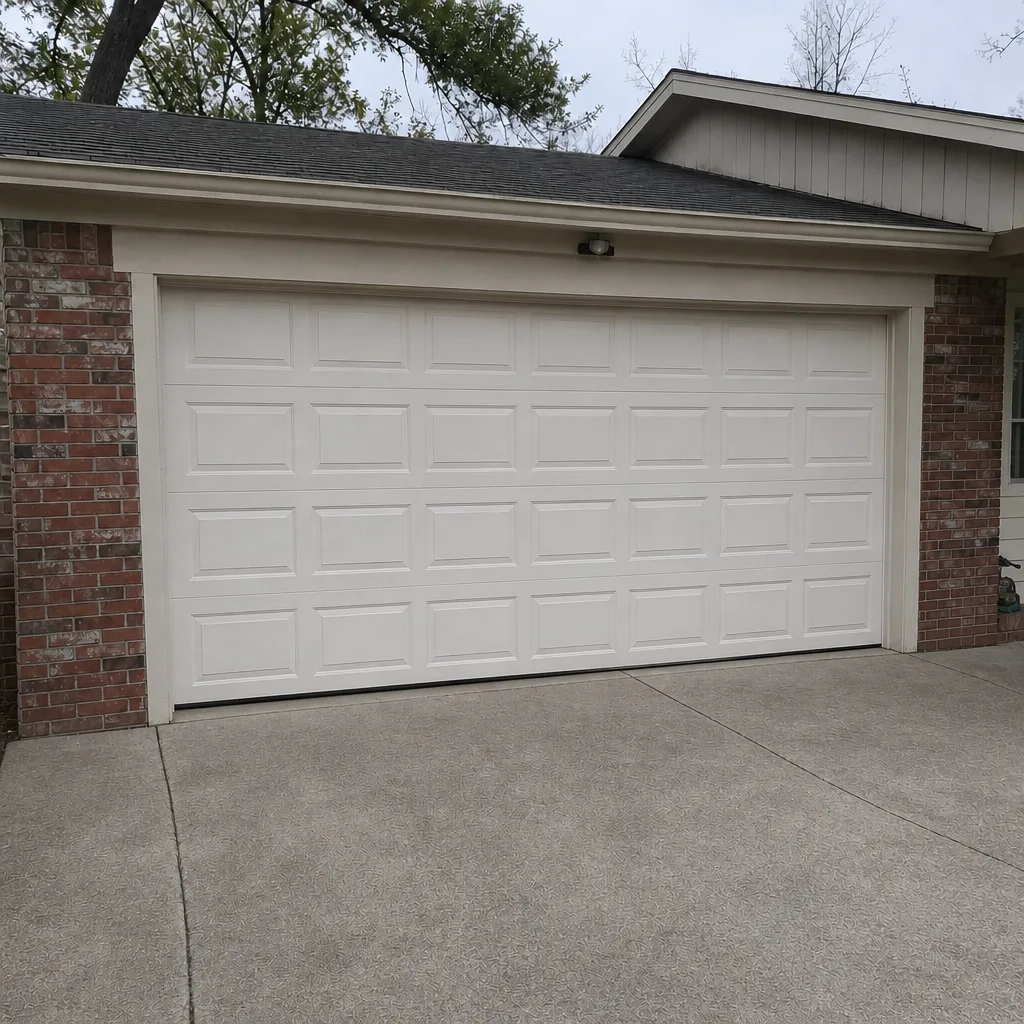 After
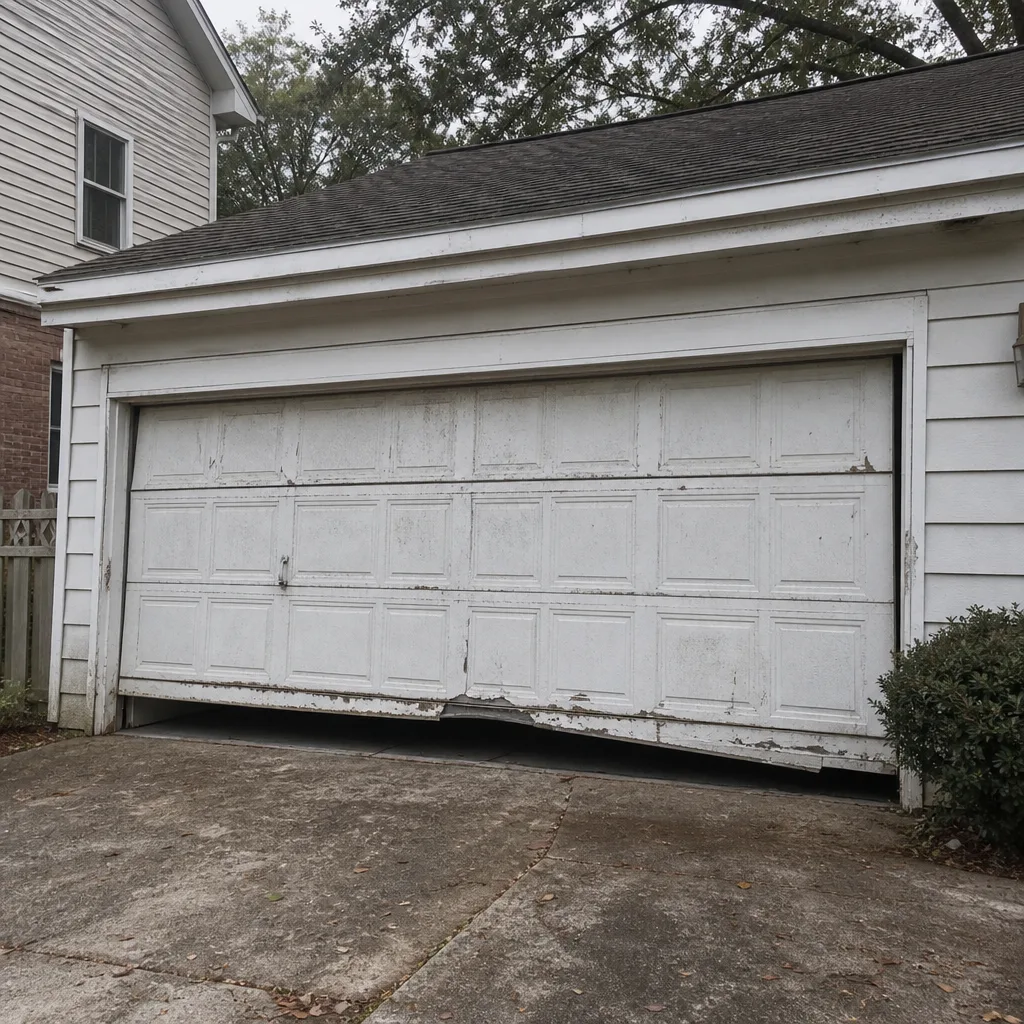 Before
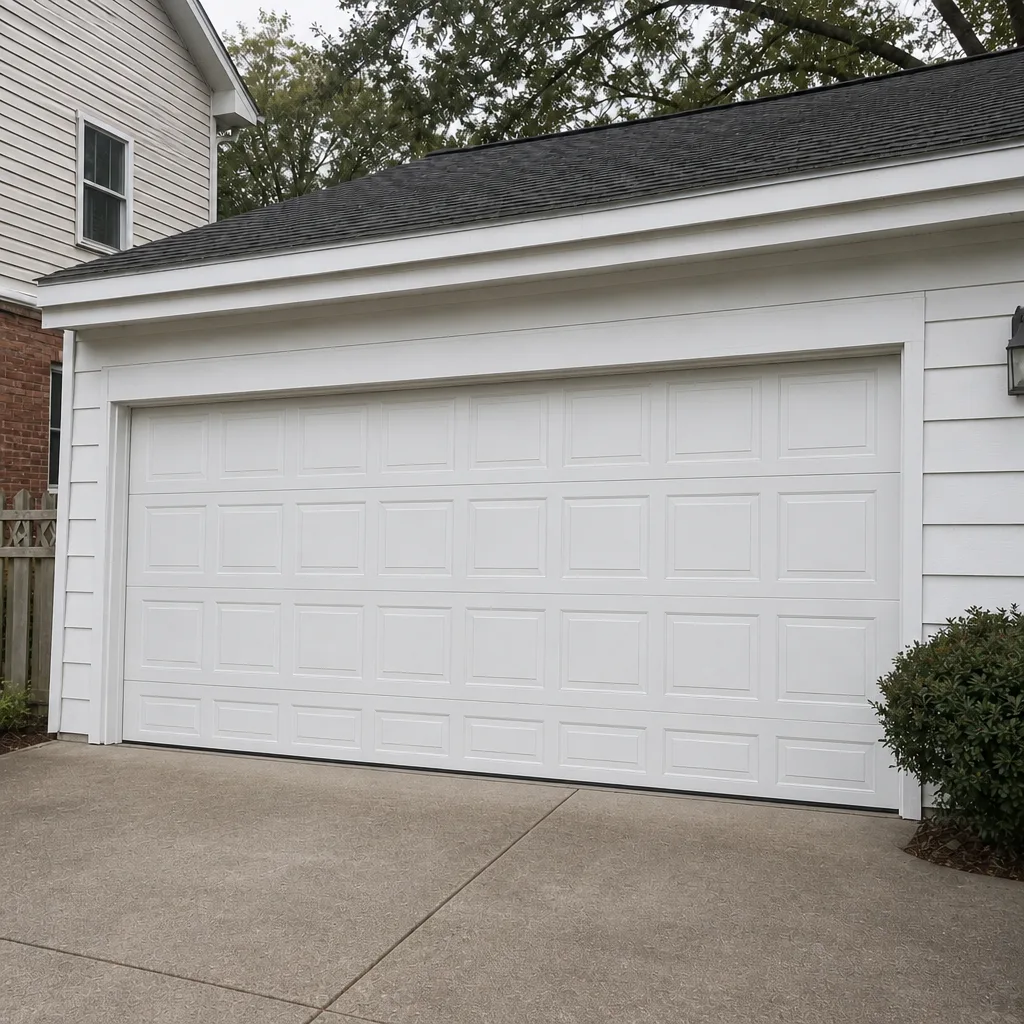 After