
Last updated November 15, 2026
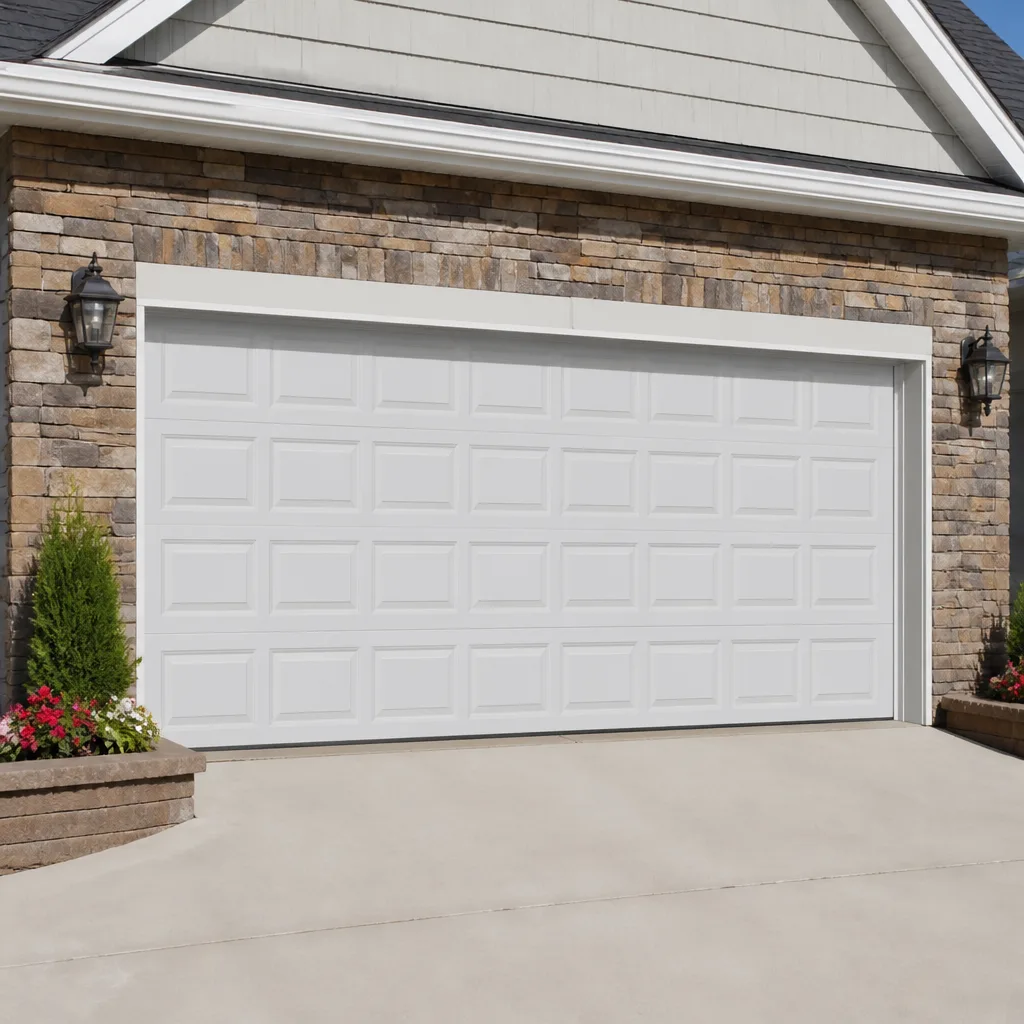 Raised-panel steel
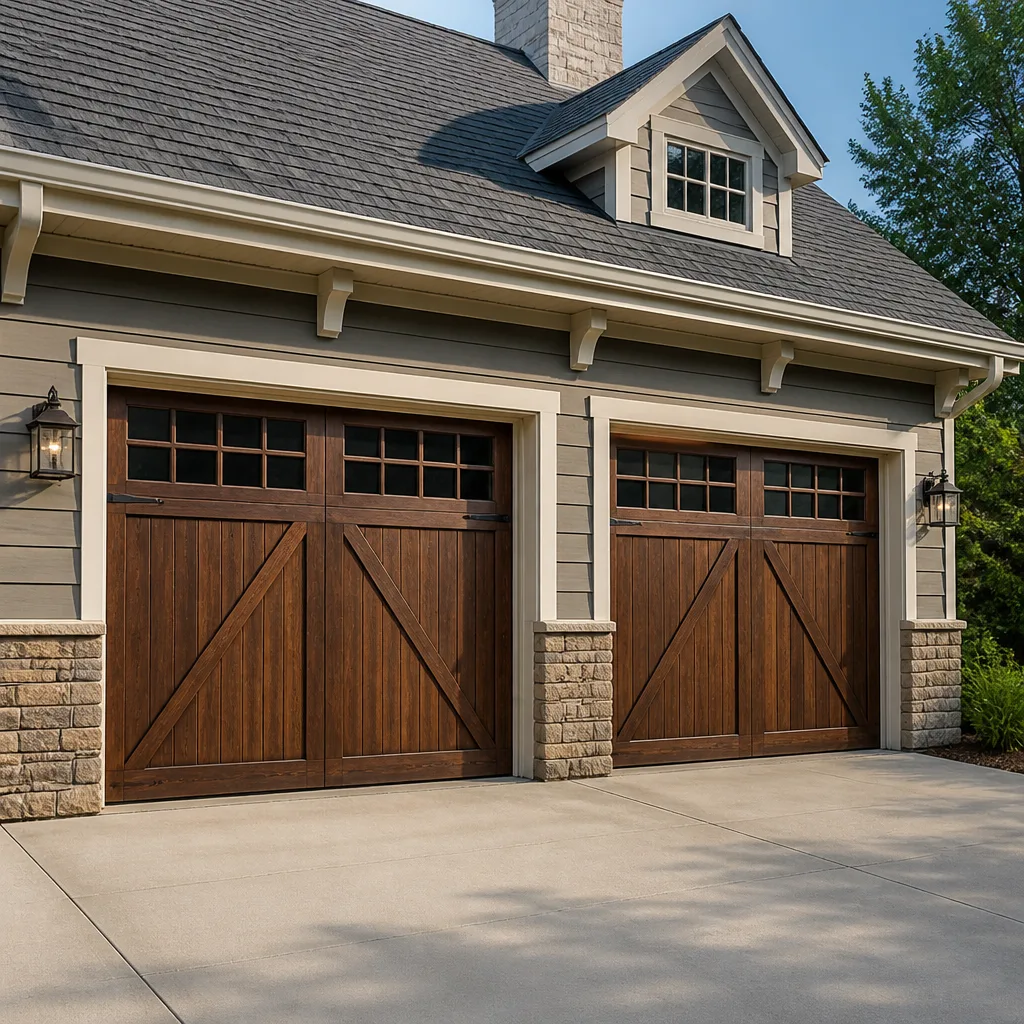 Carriage house
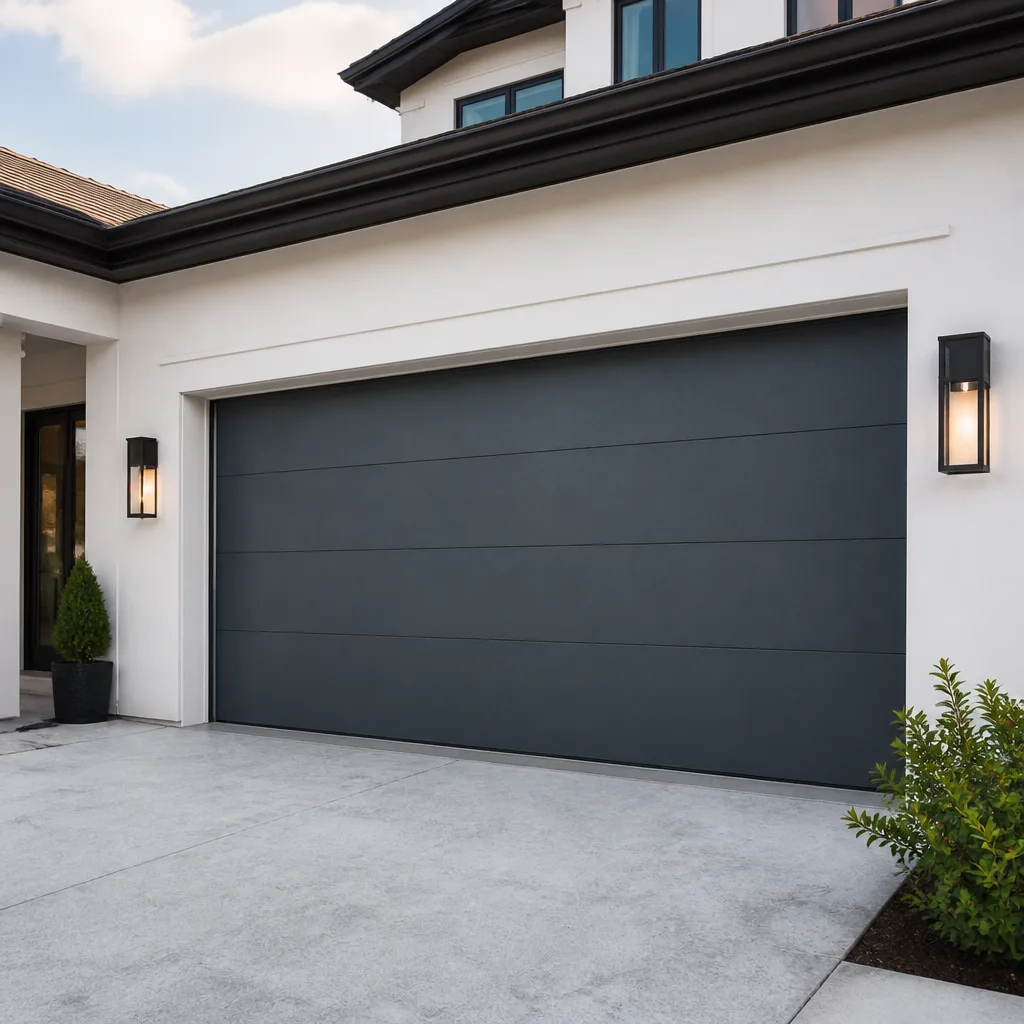 Modern flush
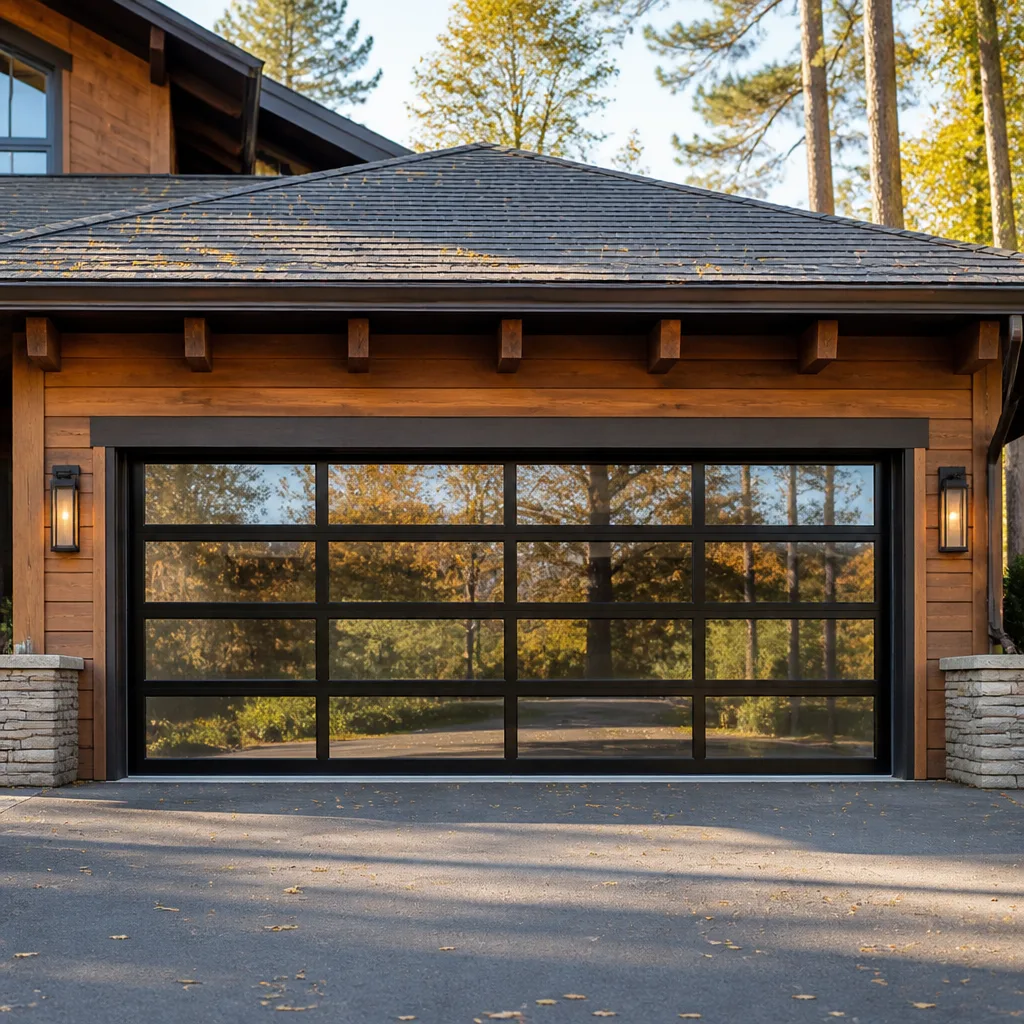 Full-view glass
 LiftMaster openers
 Chamberlain openers
Full 25-point door and opener safety check with every visit - springs, cables, rollers, tracks, and your LiftMaster or Chamberlain opener included
You get a price before we start. It does not change when the pro arrives.
Get your free estimateGarage Door Emergency Preparedness Guide for Columbia Homes
During a power outage, the most common reason people can’t open their garage door by hand isn’t a broken mechanism. It’s that they’ve never pulled the emergency release cord, and they don’t know that once they do, the door is unsecured. That single gap in preparedness catches more Columbia homeowners than any failed spring. Columbia sits where tropical systems, ice storms, and grid outages each create a different kind of garage door emergency, and each one asks something different of you. This guide walks through all three: the manual release done correctly, how to secure a door before a named storm, how to handle a damaged door after one, which opener battery backups actually work with which brands, and who to call in what order when you need help in Columbia.
Quick Answer
Garage door emergency preparedness in Columbia means three things: knowing how to release and re-engage your door by hand, securing the door before a tropical system or ice storm arrives, and keeping a short contact-and-information list ready so a repair call goes quickly. If the door is damaged, jammed, or hanging unevenly, stop operating it and call a professional rather than forcing it. We answer 24/7 at (833) 391-2958, with fast dispatch from 7am to 7pm, Sunday through Friday.
Styles & brands we work with
- Raised-panel steel
- Carriage house
- Modern flush
- Full-view glass
- LiftMaster openers
- Chamberlain openers
Table of Contents
- How Does the Manual Release Work, and What Should You Expect?
- What Should You Do When a Tropical System Is Forecast?
- How Do Ice Storms and Winter Power Outages Affect a Garage Door?
- How Do You Operate a Damaged Door Safely After a Storm?
- Which Opener Battery Backups Work With Which Brands?
- Who Do You Call, in What Order, During a Garage Door Emergency in Columbia?
- What Belongs in a Garage Door Emergency Kit?
- What Preventive Checks Reduce the Chance of an Emergency?
How Does the Manual Release Work, and What Should You Expect?
The manual release disconnects the opener’s carriage from the door so you can lift it by hand. On nearly every residential opener, that means a red-handled cord hanging from the rail overhead. Pull it straight down with a firm, steady motion while the door is fully closed, and the trolley separates from the arm that carries the door. From that moment the door is no longer powered, no longer locked by the opener, and no longer held by the motor.
What happens next depends on the door. A single-car door with a light-gauge steel panel and standard springs usually lifts with one hand and stays where you put it. A double-car door with insulated panels, a layer of glass, or a premium Clopay or Amarr face can weigh considerably more, and you’ll feel the difference in the first few inches. Doors with torsion springs over the header behave differently from doors with extension springs along the horizontal tracks, and worn springs can make a door feel much heavier going up than it did the last time you opened it.
Here’s the sequence, in order:
- Make sure the door is fully closed and nothing is standing under it.
- Pull the release cord straight down until the carriage clicks free. Don’t yank it sideways.
- Lift the door slowly with both hands at the bottom section, using your legs, not your back.
- If the door feels far heavier than usual or won’t stay up, lower it carefully and stop. A door that won’t hold position usually has a spring problem.
- Prop or secure the door before walking away. A released door is an unlocked door.
That last point is the one people miss. With the release pulled, the door can be lifted from the outside by anyone who knows the trick, so a released door left overnight is a door that no longer secures the house. In Columbia, where so many homes have an attached garage opening straight into the living space, that matters more than most people realize. When power returns, pull the cord back the other way to re-engage the carriage, then run the opener once to confirm the door cycles normally.
What Should You Do When a Tropical System Is Forecast?
Securing the door before a tropical system means reinforcing or bracing the door panels and leaving the springs and cables alone. The spring and cable system holds a tremendous amount of stored tension, and a homeowner adjusting it in a hurry before a storm is one of the most dangerous situations we see. That work belongs with a trained technician, full stop. What you can safely do before the system arrives is prepare the door as a physical barrier.
- Close and lock the door. A closed door braces the opening. An open or partially open door becomes a sail in high wind.
- Engage the manual lock if your door has one. Many older doors have a slide bolt or lock bar; use it alongside the opener.
- Check the bottom seal and weather stripping. Wind-driven rain finds gaps under the door. A worn bottom seal lets water in before anything else fails.
- Move anything loose away from the door. Trash cans, patio furniture, and garden tools become projectiles in a tropical system and the door is often the first thing they hit.
- Don’t tape, brace, or weigh down the panels with improvised hardware. Aftermarket bracing kits exist for wind-rated doors, but jury-rigging brackets to a standard door can damage the panels and give a false sense of security.
- Leave the springs and cables untouched. If you suspect a spring is failing, note it and have it addressed after the system passes, not during the warning window.
Panels that take an impact during a tropical system are worth inspecting carefully once the storm clears. A dent that looks cosmetic can hide a bent track or a hinge that has pulled loose from the panel. In our experience, doors that took a hit in a storm are the ones that develop tracking problems weeks later if nobody looks at them. A quick visual check of the tracks, rollers, and hinges after the system passes saves a larger repair down the line. For anything beyond a visual look, our garage door repair service is the place to start.
How Do Ice Storms and Winter Power Outages Affect a Garage Door?
Ice storms and winter outages hit a garage door in ways that tropical systems don’t, and Columbia sees enough of both to plan for them. The two big issues are frozen seals and a stalled opener. When temperatures drop and freezing rain moves through, the bottom seal can freeze to the slab, and the opener will strain to lift a door that’s essentially glued down. That strain is hard on the opener’s gears and the door’s hinges.
If the door is frozen shut, don’t force it with the opener. That’s how you turn a minor freeze into a stripped gear or a snapped arm. Instead:
- Switch the opener to manual and pull the release cord.
- Break the seal free by hand, working along the bottom edge with a plastic scraper or a gentle lift at the corners.
- Lift the door slowly and check that the seal and hinges move freely before re-engaging the opener.
- Clear ice from the driveway apron in front of the door so the seal has somewhere to land.
Winter power outages are the other half of the problem. During an ice storm, outages can last hours or days, and if your opener has no battery backup, the door is manual-only until the grid comes back. That’s a manageable situation if you’ve practiced the release, and a frustrating one if you haven’t. If the opener is stuck in a half-open position when power fails, don’t force it up or down with the motor engaged. Pull the release first, then move the door by hand. If the opener itself is making grinding or humming noises after the power returns, that’s a sign the gears took a hit, and our garage door opener repair team can diagnose it before it becomes a full replacement.
How Do You Operate a Damaged Door Safely After a Storm?
After a storm, the safest way to operate a damaged door is often not to operate it at all until someone has looked at it. A door with a bent track, a panel that has shifted, or a roller that’s popped out of its track can come down uncontrolled the moment it’s moved. That’s a genuine injury risk, not a hypothetical one. The stored energy in a spring system doesn’t care that the power is out or that you’re in a hurry to get the car out.
When you do need to assess a door after a storm, here’s what to check without touching the springs or cables:
- Look at the tracks. A track that’s visibly bent, kinked, or has pulled away from its mounting bracket is a stop-and-call situation.
- Look at the panels. Panels that are dented, cracked, or separated from their hinges can fail under their own weight.
- Look at the cables. A cable that’s come off its drum or is hanging loose is dangerous. Don’t touch it, and don’t try to tuck it back.
- Listen and feel. If the door creaks, pops, or binds when you test it by hand for the first inch or two, lower it and leave it.
- Keep people and vehicles clear. Don’t park under a compromised door, and don’t send kids through the garage until it’s checked.
What not to do is just as important. Don’t run the opener on a door that’s visibly misaligned, don’t prop a damaged door open with a ladder or a board, and don’t try to bend a track back into shape with household tools. If the door is stuck in a dangerous position and you need it secured, the right move is to call a professional who can take the tension off safely. If your door uses Clopay, Amarr, Wayne Dalton, or any other major panel system, a technician who knows the brand can often tell you quickly whether a panel swap or a full section replacement is the better path. Call (833) 391-2958. We answer 24/7. Fast dispatch from 7am to 7pm, Sunday through Friday.
Which Opener Battery Backups Work With Which Brands?
Battery backup keeps an opener running when the grid goes down, and which system works for you depends on the opener’s brand and age. LiftMaster and Chamberlain both offer battery backup in their current opener lines, and Genie and Craftsman have their own backup-compatible models. The key fact is that the backup is usually built into the opener or available as a brand-matched accessory, not a universal add-on. Mixing a backup from one brand onto another brand’s opener is the kind of shortcut that leads to a unit that doesn’t hold charge or doesn’t run the door at all.
Here’s a general picture of how the major residential brands handle it:
- LiftMaster and Chamberlain. Their modern openers often ship with or accept a battery backup accessory, and the smart models will tell you through the app when the battery is low. The battery is a replaceable part, and it’s worth checking its health before storm season.
- Genie. Genie’s lineup includes backup-compatible models, and the correct battery pack depends on the specific opener you have. Match the model, not the brand name alone.
- Craftsman. Older Craftsman openers typically have no backup option, while newer models may. If yours doesn’t, the practical answer is a manual release plan and a portable power source for other needs.
- Smart and connected openers. These add a wrinkle: after an outage, some units need to reconnect to Wi-Fi before the app works again, even if the door itself runs fine. Don’t panic when the app is slow. Check that the door cycles, then give the connection a few minutes.
The other backup option worth knowing about is a small portable power station or a whole-home generator, which keeps the opener running as long as the power draw matches. That’s a bigger decision than a battery backup, and it’s worth talking through with whoever installs your electrical equipment. What we can tell you is that a battery backup on a compatible opener is the simplest path to a working door during a multi-day outage, and it’s something to confirm before the next storm rather than during it. If you’re not sure whether your opener takes a backup, our team can identify your model and tell you. If you’re starting fresh, the full range of openers we service lives on our Clarity Garage Door Service page.
Who Do You Call, in What Order, During a Garage Door Emergency in Columbia?
Call a garage door professional first when the door is damaged, jammed, or dangerous, and call the power company first when the outage is the only problem. Those two situations get mixed up constantly. A door that won’t open because the grid is down is a manual-release situation, not a repair call. A door that won’t open because a spring snapped or a track bent is a repair call, and no amount of waiting for the power to come back fixes it.
The order of operations for a true emergency:
- Make the area safe. Keep people and vehicles out of the path of a door that’s hanging or unstable.
- Identify the problem type. Power outage, damaged door, or opener failure. Each one routes differently.
- Call (833) 391-2958. We answer 24/7. A call outside dispatch hours is booked into the next opening, Sunday through Friday, 7am to 7pm.
- Have your information ready. Door brand and rough age, opener brand and model if you can see it, what the door is doing or not doing, and whether anyone is hurt or trapped.
- Don’t force the door while you wait. Forcing a compromised door is how a repair turns into a replacement.
- Secure the opening if the door is stuck open. A released or damaged door left open is a security gap, and it’s worth having a plan for how you’ll close that gap until a technician arrives.
The information list matters more than people expect. If you can tell the person on the phone that you have a Chamberlain opener on a Wayne Dalton door and the door is binding on the left track, the call skips the guessing stage and goes straight to scheduling. That’s the whole point of the Clarity name: we tell you what’s wrong before we touch anything, and a technician who already knows your brand and your symptom gets to a real diagnosis faster. If you’re in a Columbia neighborhood like Shandon, Rosewood, Forest Acres, or the Vista, having that list on the fridge is a small thing that pays off in a hurry. More local context lives on our Columbia page.
What Belongs in a Garage Door Emergency Kit?
A garage door emergency kit is small, cheap, and the difference between a calm response and a scramble. You don’t need much, and none of it should involve tools for adjusting springs or cables. The kit is about light, information, and access, not repair.
- A flashlight with fresh batteries. The garage is often the darkest room in the house during an outage.
- A printed contact card. Your opener and door brands, the phone number for service, and any model numbers you can find on the opener’s label.
- A plastic scraper. Useful for breaking a frozen bottom seal free without damaging it.
- Work gloves. For lifting a manual door and moving debris away from the tracks.
- A note on the wall by the opener. “Pull the red cord to release” sounds obvious until it’s dark and you’re in a hurry. A small label helps everyone in the house, including guests and older family members.
- A portable power bank for your phone. So the call actually goes through when you need it.
Keep the kit on a shelf near the garage entry door, not in the car, and check the flashlight batteries once a year. That’s the entire maintenance load. The kit doesn’t replace a technician, but it makes the first ten minutes of an emergency go the way it should.
What Preventive Checks Reduce the Chance of an Emergency?
Most garage door emergencies start as small problems that went unnoticed for months. A twenty-minute check a couple of times a year, before storm season and again before winter, catches most of them. You’re looking and listening, not adjusting.
- Open and close the door and listen. Grinding, popping, or a door that shudders on the way up is telling you something is wearing.
- Look at the springs. A torsion spring with a visible gap in the coil, or an extension spring that’s stretched or has a gap, is a spring on its way out. Don’t touch it. Note it and call.
- Check the bottom seal. A cracked or flattened seal lets water and cold air in and is one of the cheapest parts to replace before a storm.
- Test the safety reverse. Put a roll of paper towels under the door and close it. The door should reverse on contact. If it doesn’t, that’s a call.
- Look at the tracks. Tracks should be straight and firmly attached. A loose bracket is easy to fix early and expensive to fix late.
- Test the manual release. Once a year, pull the cord with the door closed, lift it a few inches, lower it, and re-engage. It’s the only way to know the release actually works.
- Check the opener’s battery backup if it has one. Most units have an indicator light or an app notification when the battery needs attention.
None of this involves adjusting a spring, a cable, or a track alignment. Those are the parts that hurt people. If a check turns up something that needs a real repair, stop there and get it looked at. Our technicians have up to 8 years of experience across the brands most Columbia homes actually have, including Clopay, Amarr, Wayne Dalton, and Craftsman, so the check rarely ends in a dead end.
Common Mistakes to Avoid
- Pulling the release cord and leaving the door unsecured. A released door can be lifted from the outside, so re-engage it as soon as the power is back or the door is closed for the night.
- Forcing a frozen or binding door with the opener. The opener always loses that fight, and the repair gets bigger. Release the door first.
- Adjusting springs or cables yourself. The stored tension in a garage door spring can cause serious injury. Leave that work to a trained technician, even during a storm warning.
- Ignoring a door that took an impact but still opens. A dent that looks cosmetic can hide a bent track or a pulled hinge, and the tracking problem shows up weeks later.
- Buying a universal battery backup for a brand-specific opener. Match the backup to the opener brand and model, or confirm with a technician before you buy.
- Calling for a repair when the only problem is a power outage. That’s a manual release situation. Save the repair call for a door that’s actually damaged.
- Assuming a smart opener’s app is broken after an outage. The door often works fine before the Wi-Fi reconnects. Check the door first, then the app.
See the difference
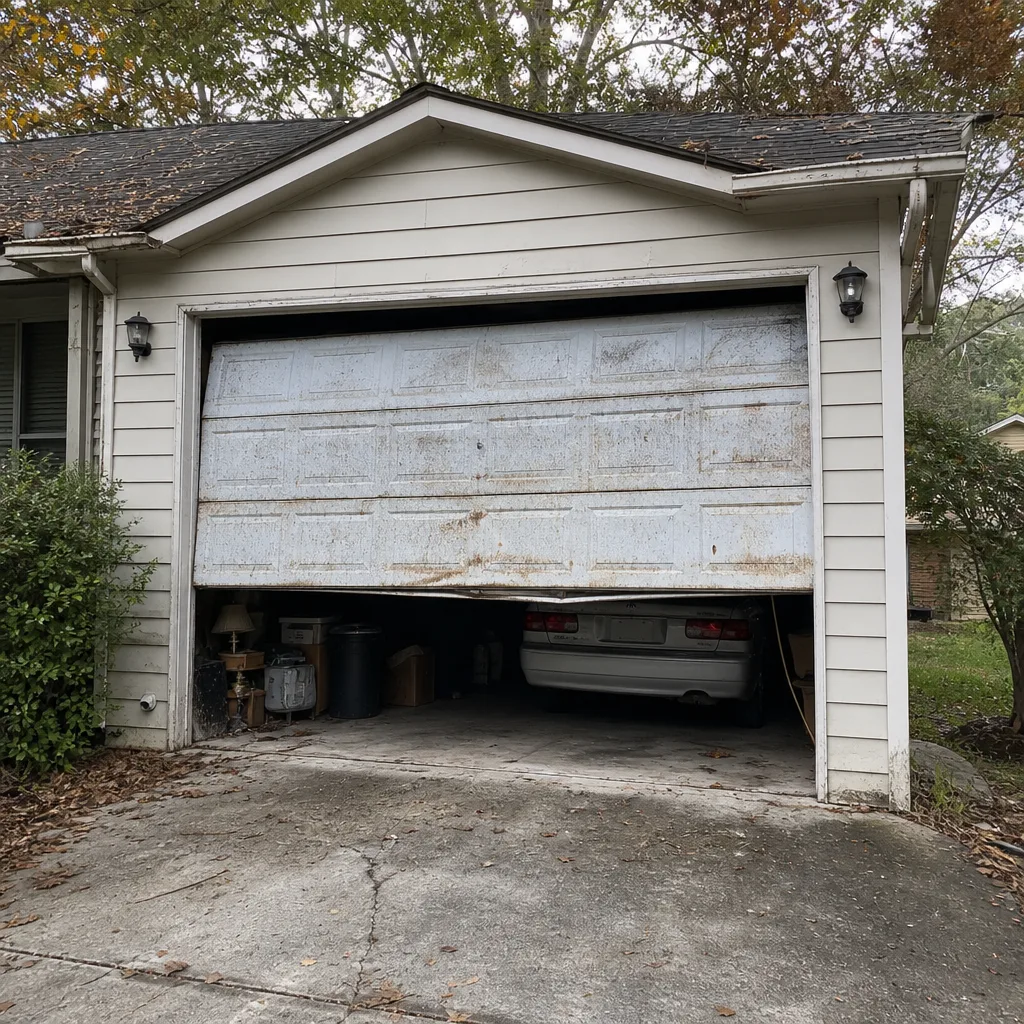 Before
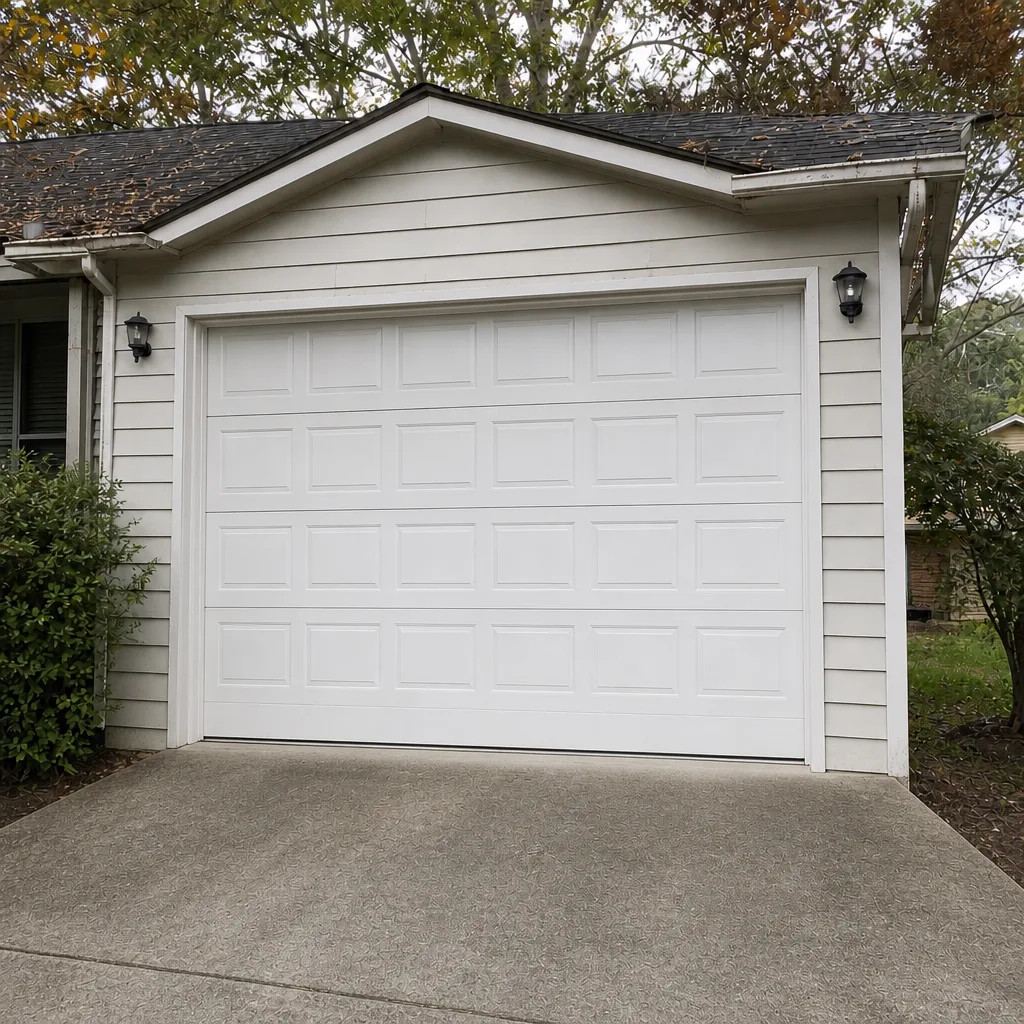 After
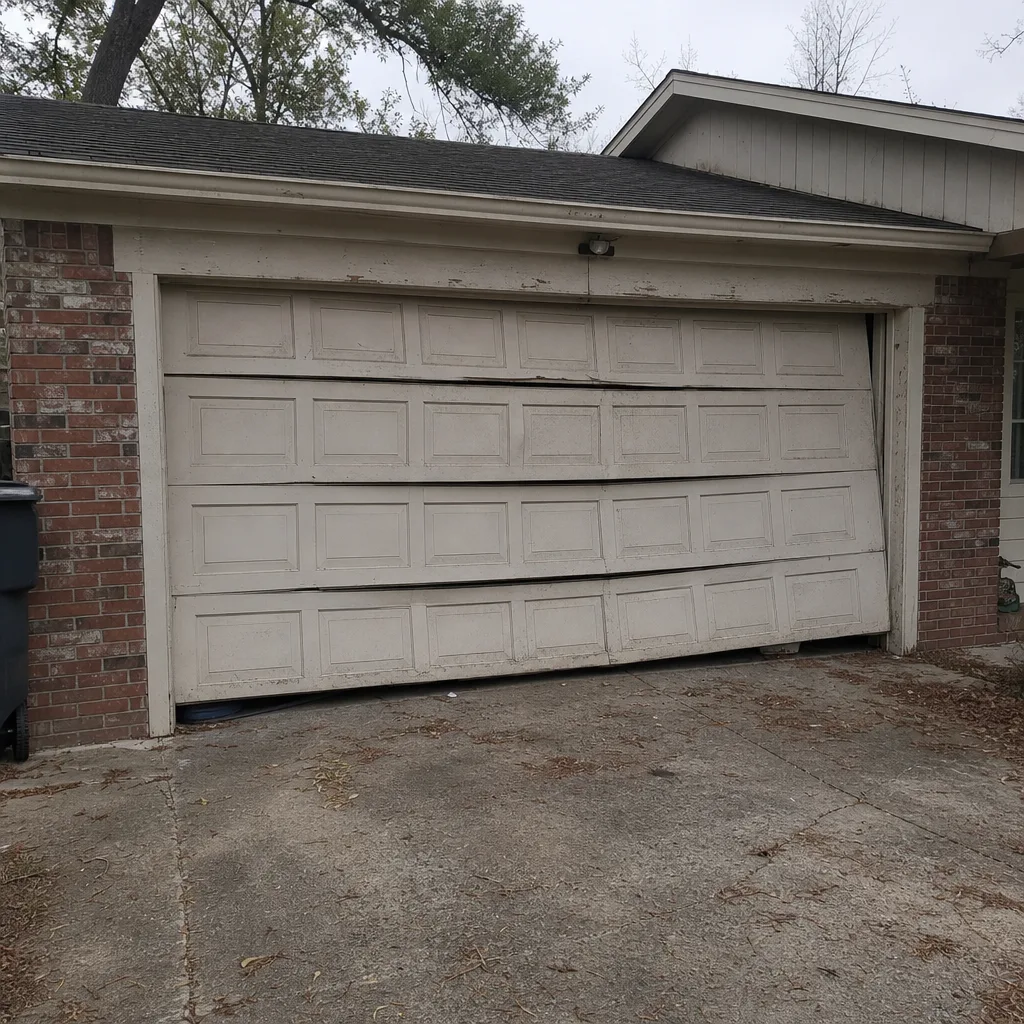 Before
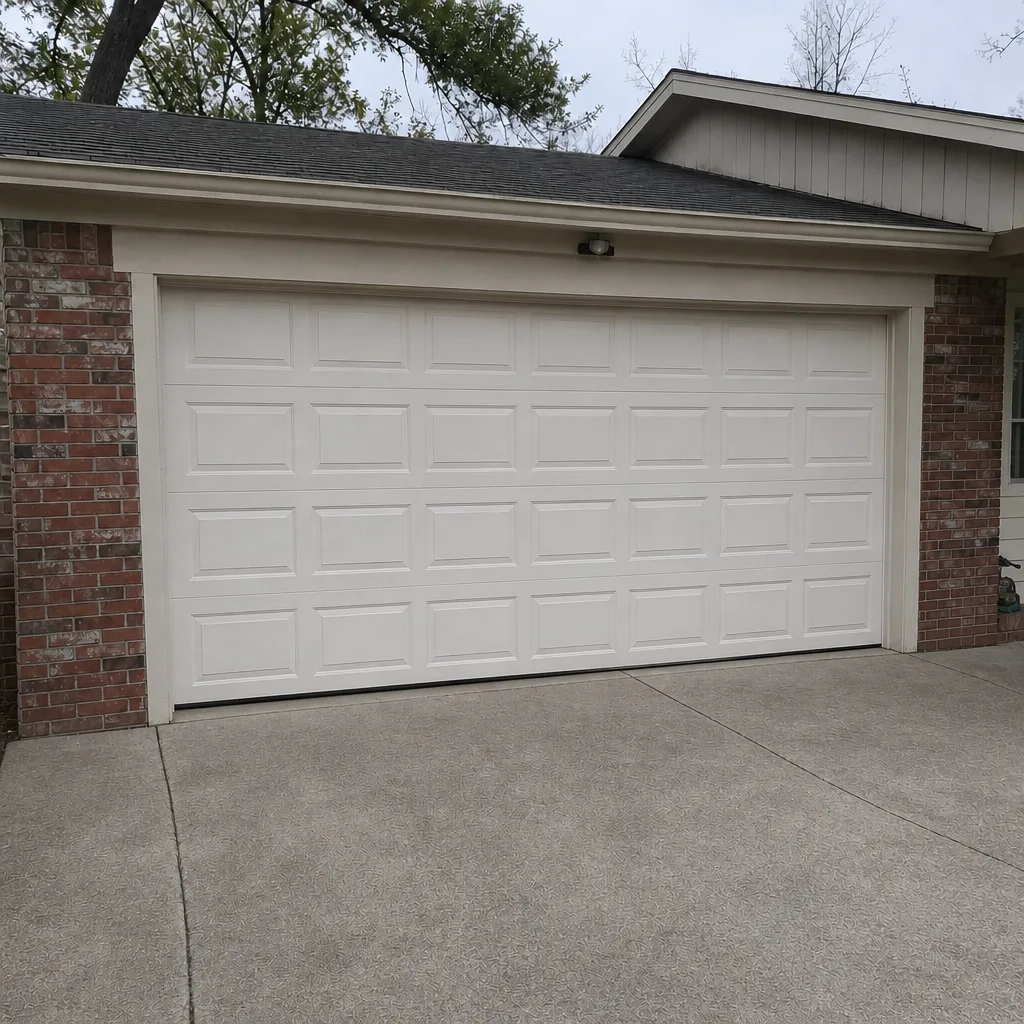 After
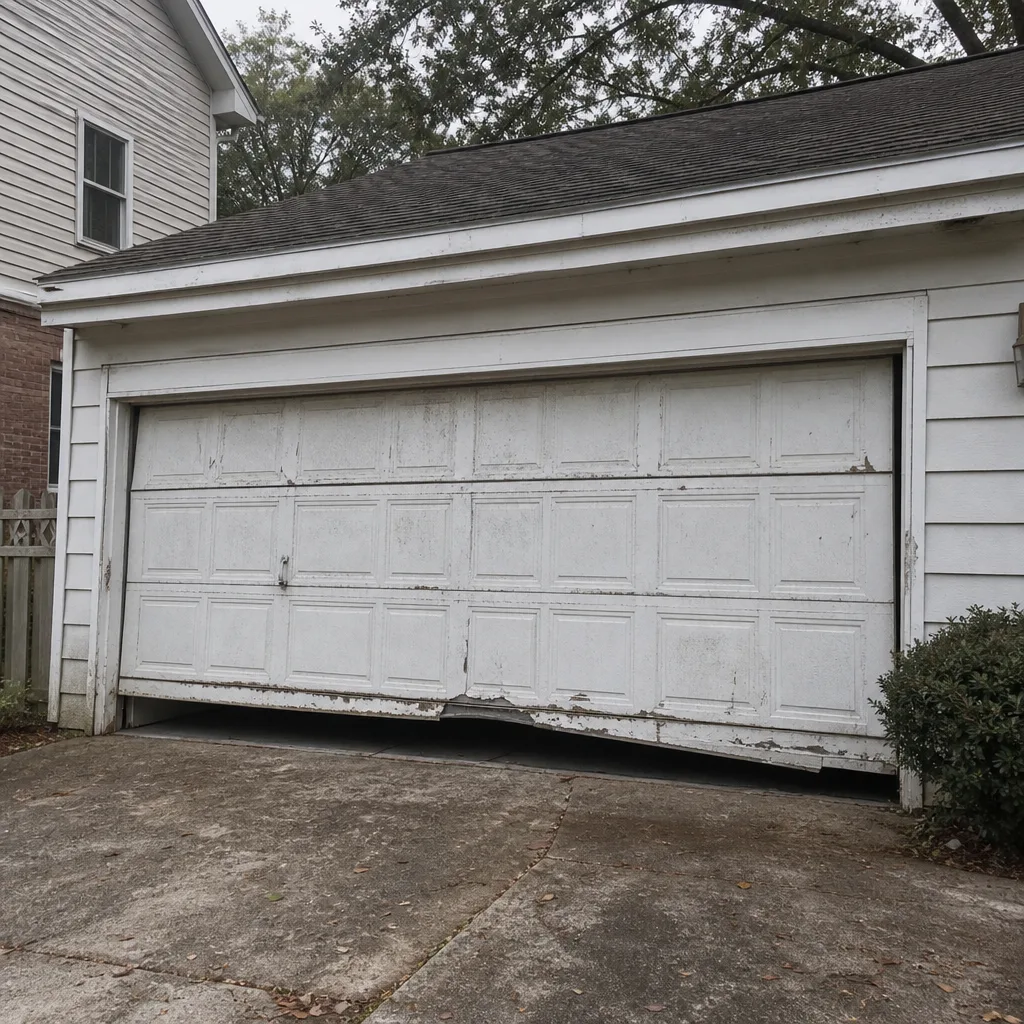 Before
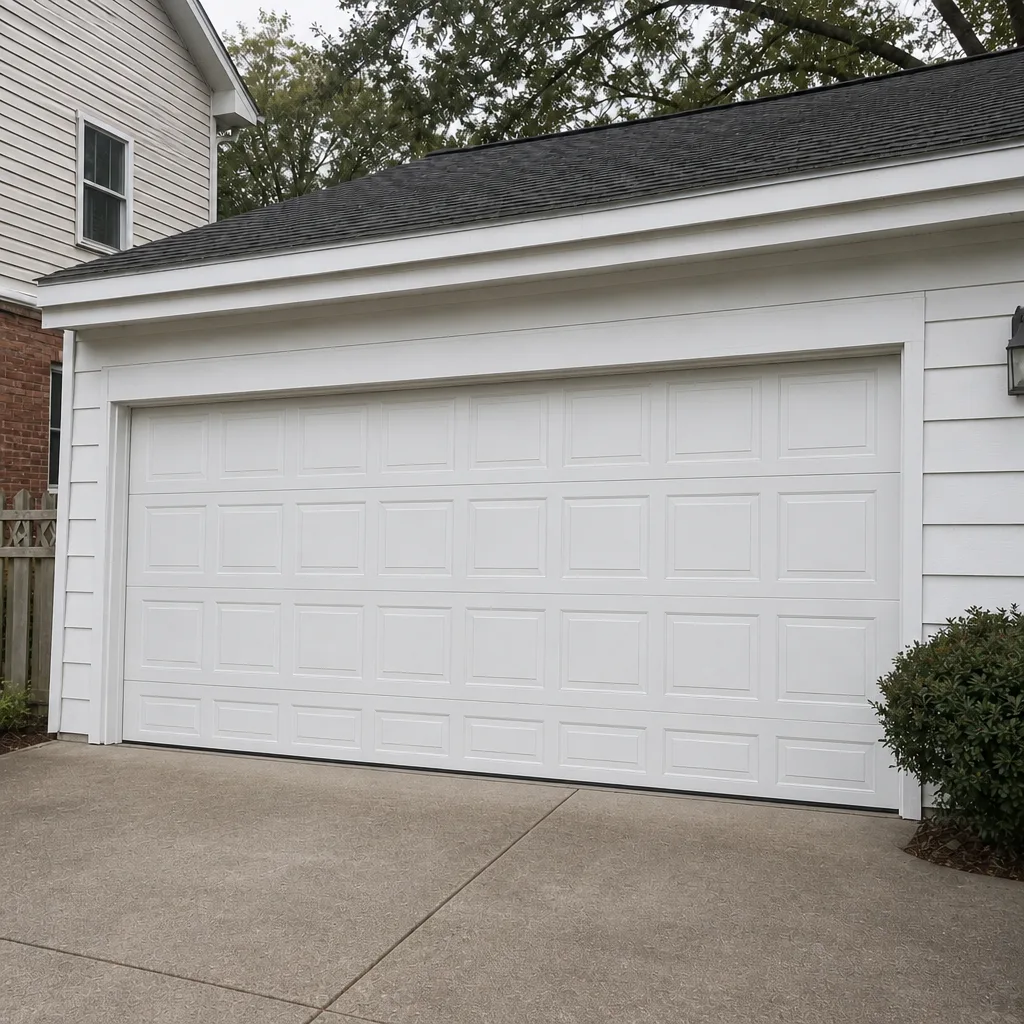 After
When to Call a Professional
Call a professional when a spring has snapped, when a cable has come off its drum, when a track is bent or pulling away from the wall, when the door is hanging unevenly or stuck in a half-open position, or when the opener grinds, hums, or reverses for no clear reason. Those are the scenarios where forcing the door can turn a repair into a replacement or put someone in the path of a falling panel. A power outage by itself isn’t one of them. If you’re not sure which category your situation falls into, call and describe what the door is doing. Clarity Garage Door Service offers free estimates in Columbia. Call (833) 391-2958. We answer 24/7. Fast dispatch from 7am to 7pm, Sunday through Friday.
Frequently Asked Questions
Yes, if you pull the manual release cord first. With the door fully closed, pull the red-handled cord straight down to disconnect the opener, then lift the door by hand at the bottom section. Re-engage the carriage once power returns, and remember the door is unsecured while it’s released.
Stop using the door and keep people and vehicles clear. A broken spring leaves the door without proper support, and running the opener can damage the panels or drop the door. Don’t try to replace the spring yourself, since the stored tension can cause serious injury. Call (833) 391-2958 for a free estimate.
It depends on the brand and model. LiftMaster, Chamberlain, Genie, and Craftsman all make or support backup-compatible openers, but the backup has to match the opener. Check your model or ask a technician to confirm before storm season rather than during an outage.
Close and lock the door, engage any manual slide bolt, check the bottom seal, and move loose objects away from the door. Leave the springs and cables alone. Improvised bracing can damage the panels, so let a technician handle any real reinforcement.
Call a garage door professional first, since a stuck-open door is a security and safety issue. Have your door and opener brands ready, describe what the door is doing, and keep people out of its path. Call (833) 391-2958. We answer 24/7, and calls outside dispatch hours are booked into the next opening, Sunday through Friday, 7am to 7pm.
Often yes for repair calls, depending on how many homes are affected at once and what parts the job needs. Installation and replacement work is measured and scheduled rather than same-day, but repair calls are the ones we move fastest after a storm. Call for a free estimate and a clear answer on timing.
The Bottom Line
Garage door emergencies in Columbia come in three flavors: outages, tropical systems, and ice storms, and each one asks something different of you. The manual release is the single most important skill, and the most overlooked. Secure the door before a storm without touching the springs. Inspect a damaged door after one without forcing it. Match your battery backup to your opener brand, and keep a short contact-and-information list where you can find it in the dark. None of it is complicated. All of it works better when it’s planned than when it’s improvised. Call (833) 391-2958 for a free estimate, and we’ll tell you exactly what’s wrong before we touch anything.
Written by the team at Clarity Garage Door Service.