
Last updated November 15, 2026
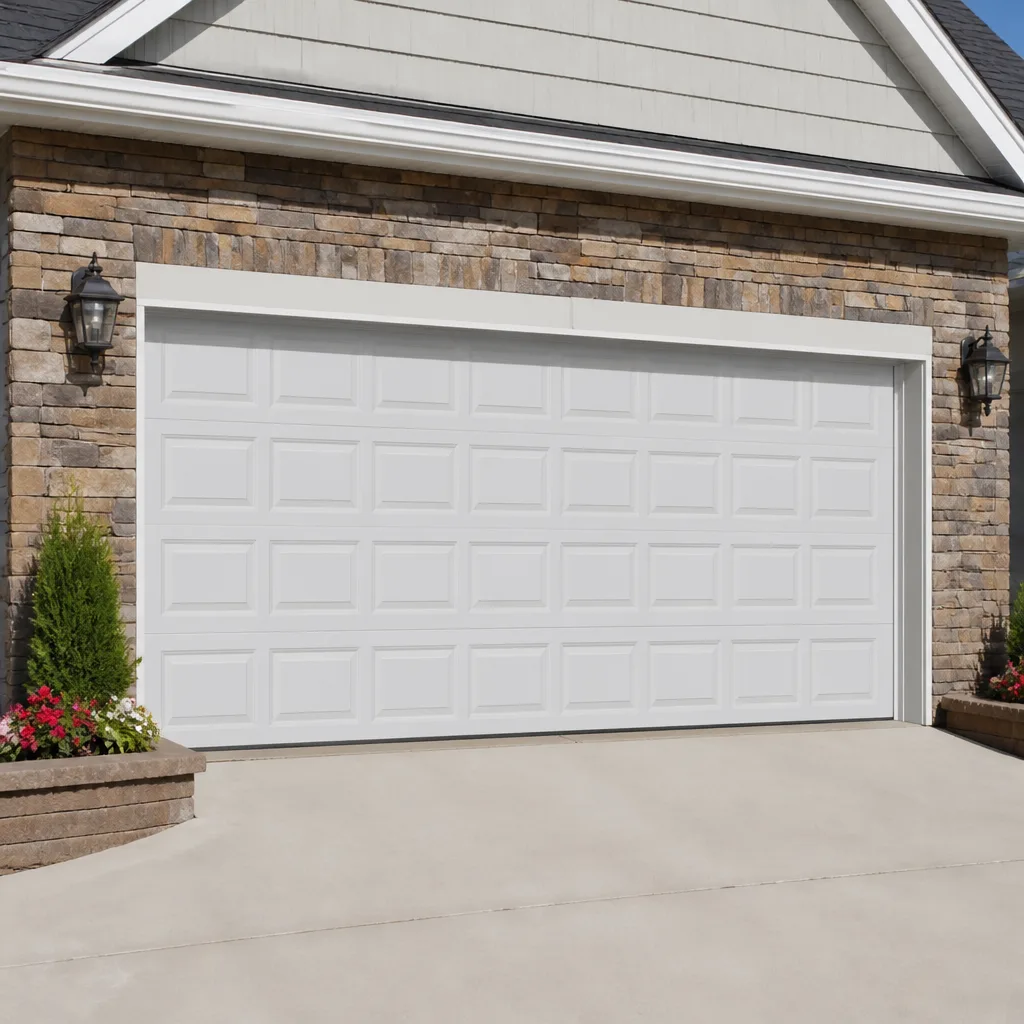 Raised-panel steel
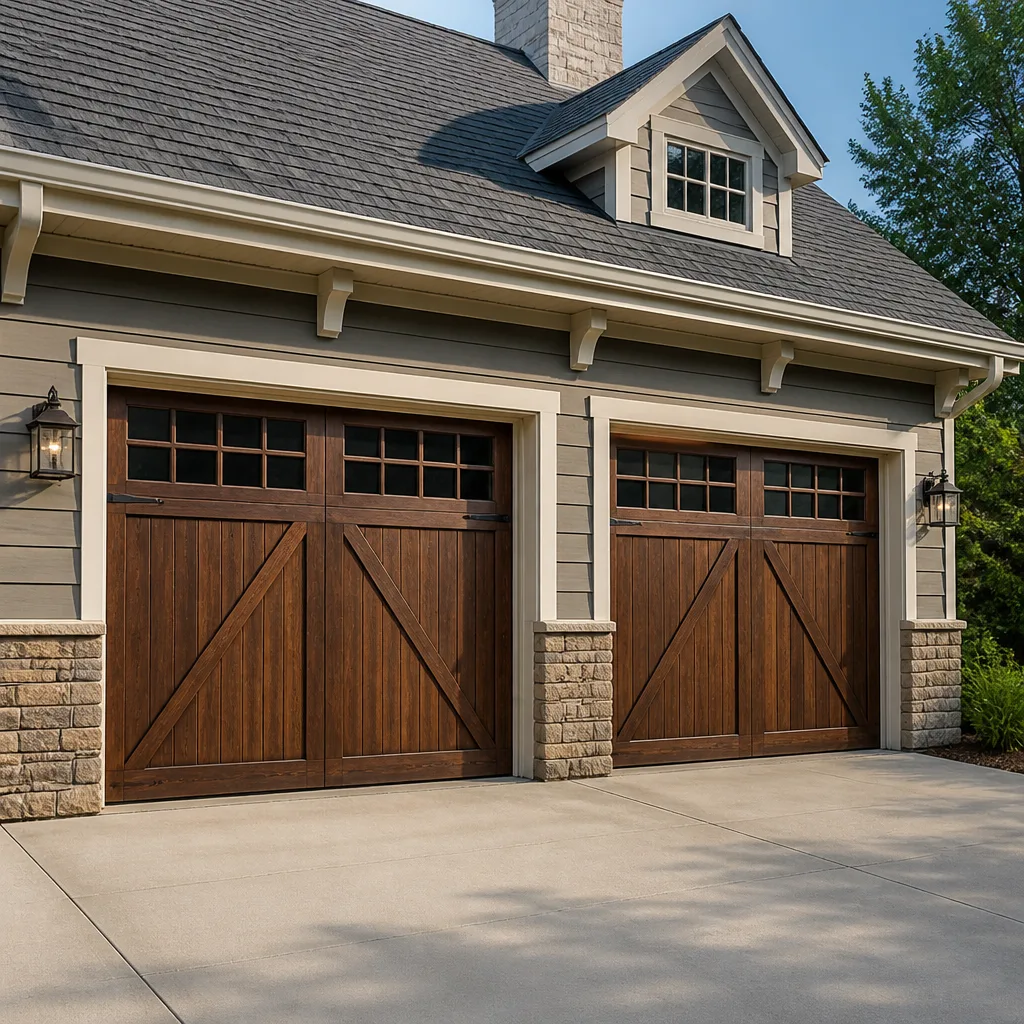 Carriage house
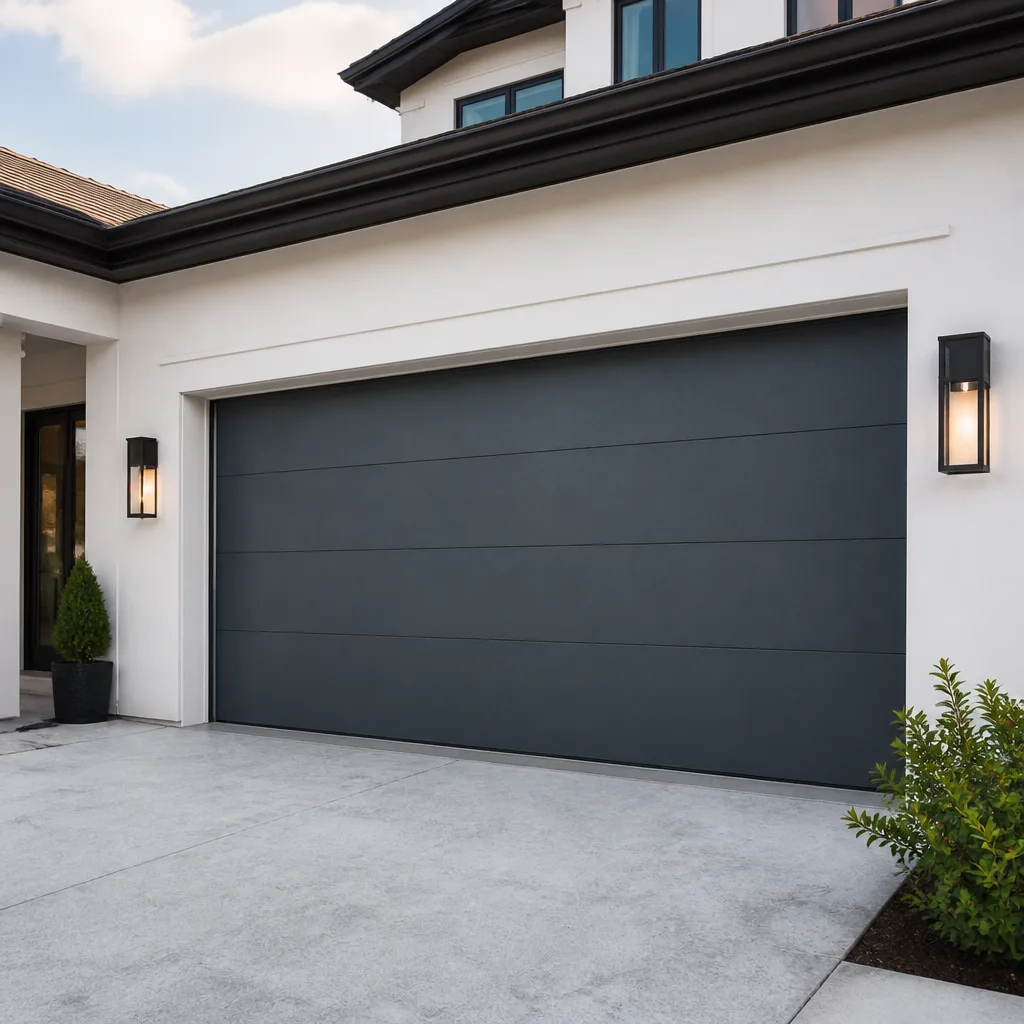 Modern flush
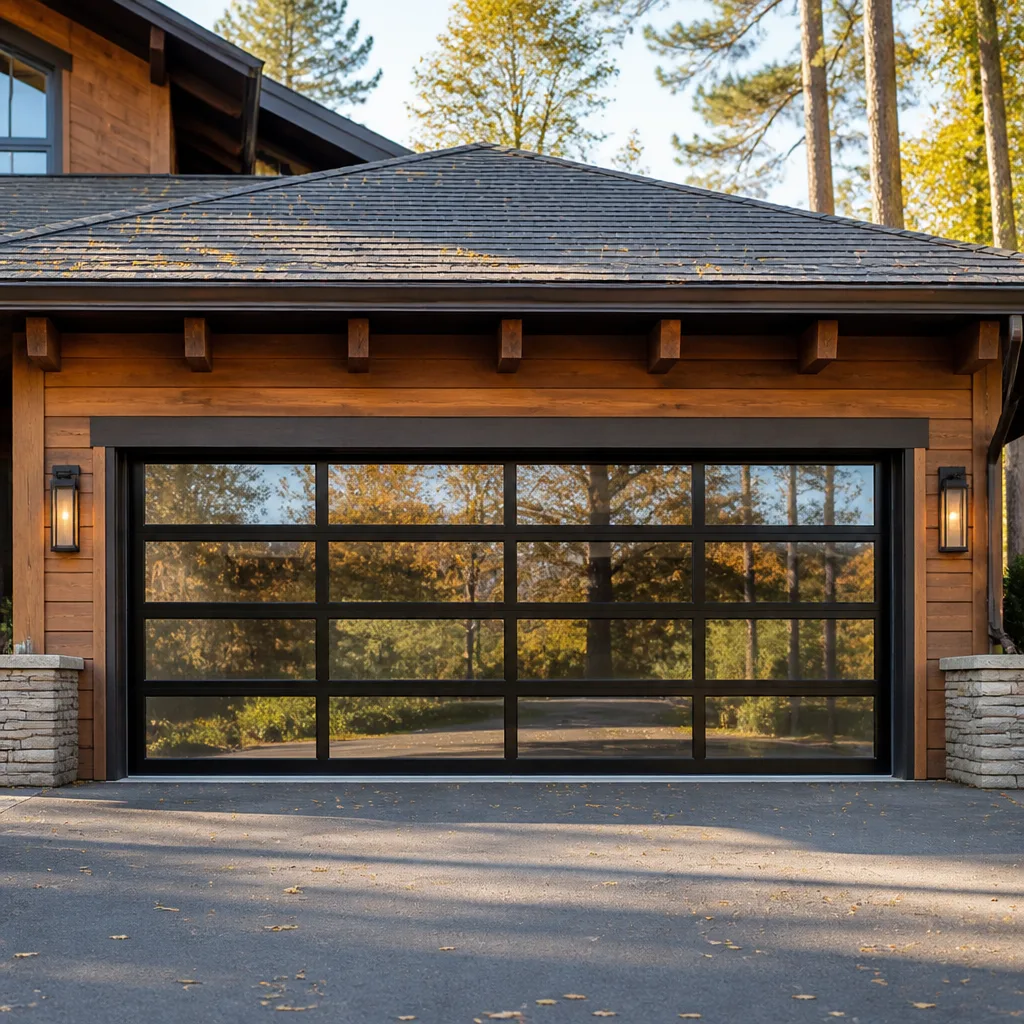 Full-view glass
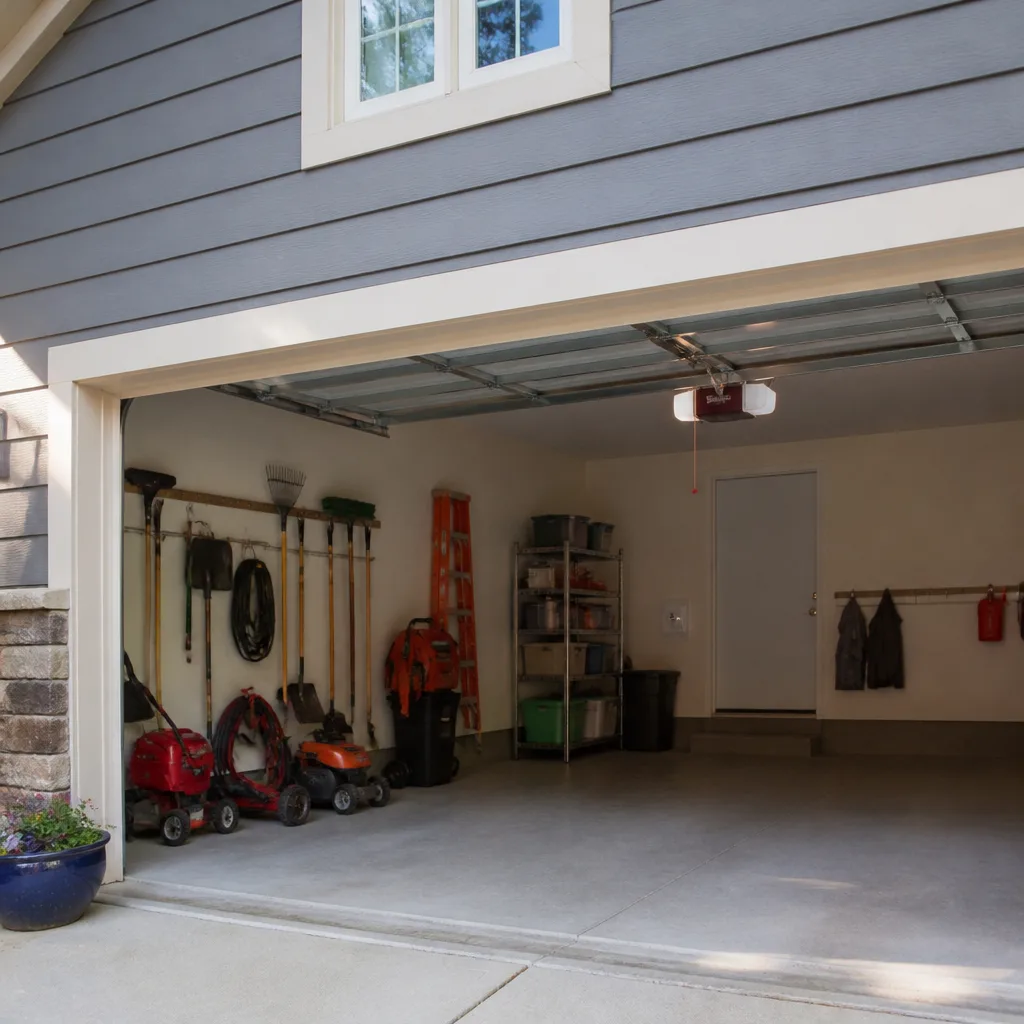 LiftMaster openers
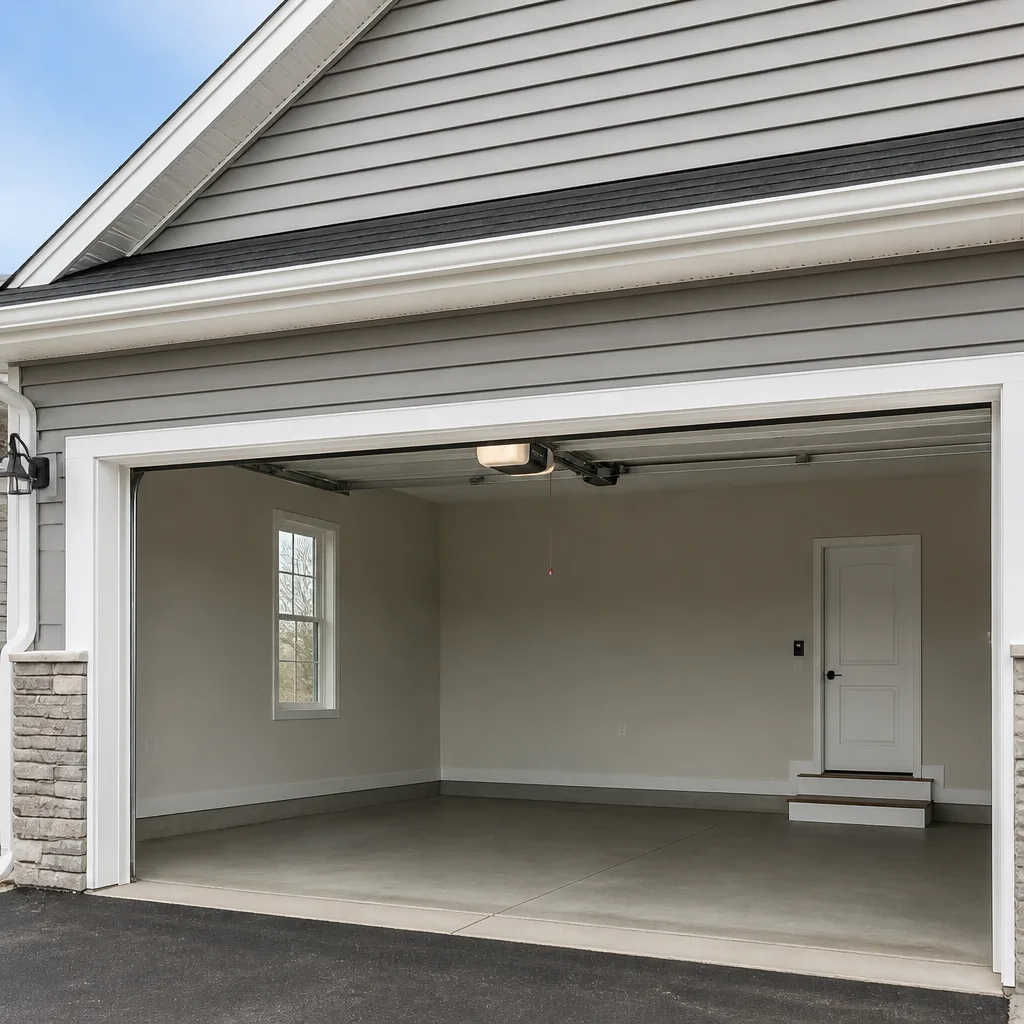 Chamberlain openers
Full 25-point door and opener safety check with every visit - springs, cables, rollers, tracks, and your LiftMaster or Chamberlain opener included
You get a price before we start. It does not change when the pro arrives.
Get your free estimateThe Complete Guide to Garage Doors in Columbia
Most garage door advice you’ll find online was written for a climate that isn’t ours. It assumes dry air, mild summers, and a house built to one national standard. Columbia doesn’t work that way. Between the rain, the humidity that hangs over 90% through July and August, and a housing stock that jumps from 1960s ranch to brand-new subdivision inside a single zip code, a garage door here lives a different life than the same door does in Phoenix or Minneapolis. That difference shows up in warped panels, rusty hardware, and springs that give out sooner than the box promised. This guide walks through what actually matters for Columbia homeowners: how to pick materials that survive our weather, which door sizes the local housing stock expects, what your HOA will and won’t approve, how permitting works, and when a repair is the smarter call than a replacement. By the end you’ll know enough to ask better questions and spot a vague quote from across the driveway.
Quick Answer
A garage door in Columbia needs to handle high humidity, heavy seasonal rain, and sharp summer heat cycles, which means steel with a quality finish outlasts wood, springs wear faster than a national rating implies, and installation should follow local code and HOA rules before you order anything. Choose your door by size and material first, confirm permits and HOA approval second, and let a written estimate set the final price. If it’s already broken rather than being replaced, start with garage door repair and get a clear diagnosis before authorizing work.
Styles & brands we work with
- Raised-panel steel
- Carriage house
- Modern flush
- Full-view glass
- LiftMaster openers
- Chamberlain openers
Table of Contents
- Why Columbia’s Climate Changes the Math on Garage Doors
- Choosing Materials That Hold Up in Columbia
- Standard vs. Non-Standard Door Sizes in Columbia’s Housing Stock
- HOA Requirements in Columbia-Area Subdivisions
- Permits, Code, and What Columbia Homeowners Often Miss
- Why a 25,000-Cycle Rating May Not Mean What You Think Here
- Openers and Smart Systems for Columbia Homes
- Repair or Replace? How to Decide
Why Columbia’s Climate Changes the Math on Garage Doors
Columbia gets more than 50 inches of rain in a typical year, and summer humidity regularly climbs past 90%. Those two numbers do more to a garage door than most homeowners realize. Manufacturers rate their products in lab conditions, and a lab doesn’t sit in a garage that bakes in the afternoon and cools overnight for months on end.
Here’s what actually happens to a door in Columbia:
- Wood and wood-composite doors absorb moisture at the bottom rails and edges, then swell and warp as the seasons shift. A door that fit cleanly in March can bind against the frame by August.
- Steel rusts from the inside out where paint or finish has worn at the bottom edge, especially on doors facing the prevailing rain. Rust at the bottom rail is the first thing we check on any older Columbia door.
- Thermal expansion pulls at fasteners and hinges. Metal panels expand in direct sun and contract overnight. Over years, screws loosen, hinges wear, and the door starts to rattle or scrape.
- Springs work harder. A torsion spring cycles with every open and close, and the heat and humidity swing means metal fatigue arrives sooner than the rated cycle count suggests.
None of this means a garage door is doomed in Columbia. It means the door you pick and the finish you put on it matter more here than in a mild climate. It also means maintenance intervals should be shorter than the national average. A quick visual check of the bottom rail and hinges twice a year catches most of the trouble before it turns into a failing door.
Choosing Materials That Hold Up in Columbia
Steel is the most common and usually the smartest choice for Columbia homes. A steel door with a good factory finish resists humidity well, holds paint longer than wood, and costs less to maintain. Insulated steel adds a foam core, which helps with heat transfer into an attached garage. If your garage shares a wall with the house, insulation is worth the step up.
Here’s how the main materials stack up locally:
- Steel: Handles humidity well, resists warping, and comes in the widest range of styles. Watch the bottom edge for rust and keep the finish intact.
- Aluminum: Light and rust-proof, good in humid climates, but it dents more easily and offers less insulation. Fine for a detached garage that isn’t climate-controlled.
- Wood and wood composite: Attractive and appropriate on some of Columbia’s older ranch homes, but they need sealing and repainting far more often here than in a dry climate. Wood rewards a homeowner who keeps up with maintenance and punishes one who doesn’t.
- Fiberglass and composite: Moisture-resistant and low maintenance, though the style options are narrower.
The finish matters as much as the material. A factory-applied finish with a baked-on topcoat holds up better than a field-painted door, and the bottom rail is where it all starts to fail. When we look at a door for replacement, the bottom edge tells the story of how the whole thing has held up.
Brand breadth helps here. We work on doors from makers like Clopay and Amarr, which cover the full range from builder-grade steel to insulated premium lines, along with Wayne Dalton models common on newer Columbia subdivisions. That range means we can match a material to your house and your budget instead of steering you toward whatever one brand pushes.
Standard vs. Non-Standard Door Sizes in Columbia’s Housing Stock
Most Columbia subdivisions built in the last few decades use standard single-car and double-car door sizes. That’s good news for replacement, because standard sizes are easier to source and cost less. The complication comes when you move between neighborhoods and housing eras.
Standard sizes you’ll typically find:
- Single-car doors around 8 to 9 feet wide and 7 feet tall
- Double-car doors around 16 feet wide and 7 feet tall
- Some newer builds use taller openings, roughly 8 feet, for a more open look
Non-standard situations to watch for:
- Older ranch homes in established Columbia neighborhoods sometimes have wider or custom openings that don’t match a catalog size.
- Doors built into a recessed or angled opening, which need field measurement rather than a stock size.
- Raised-panel or carriage-style doors that need extra clearance for the track and hardware.
The practical rule: never order a door from a size chart. Measure the actual opening, including the headroom above the door and the side clearance for the track. A door that’s an inch off will either bind or leave a gap that lets rain and heat straight into your garage. That’s why the first step on any new installation is a free in-home measure, not a shopping trip. If you’re working through a replacement, our guide to garage door installation covers what a proper measure and install involve.
HOA Requirements in Columbia-Area Subdivisions
A lot of Columbia homes sit inside subdivisions with homeowner associations, and those associations usually have a say in what your new door looks like. The rules vary, but they tend to cover the same handful of points: color, panel style, material, and whether windows or carriage-style hardware are allowed.
What HOA architectural review boards typically ask for:
- A material and color that matches the rest of the street. Neutrals are common; bold colors often need explicit approval.
- A panel style consistent with the neighborhood. Raised-panel is broadly accepted; some communities restrict carriage-house styles.
- Documentation. Many boards want a spec sheet, a photo of the proposed door, and sometimes a rendering of your house with the door in place.
- Submission before purchase. The most common mistake is ordering the door first and asking forgiveness later.
The practical move is simple. Get your HOA’s architectural guidelines before you shop, and submit your proposed door for approval before you place an order. A door that clears HOA review and fits your opening is a smooth install. A door that gets rejected after it’s ordered is a headache nobody needs. When we quote a door in a Columbia subdivision, part of the conversation is making sure the model you pick is one your board will actually sign off on.
Permits, Code, and What Columbia Homeowners Often Miss
A garage door repair usually doesn’t need a permit. A full replacement often does, depending on what’s being changed and how the work is structured. That’s the part of the process homeowners most often miss, and it’s worth checking before the work begins.
Here’s how to think about it:
- Like-for-like replacement (same size, same opening, no structural change) may or may not require a permit depending on how your city interprets the work. It’s worth a phone call to confirm.
- Anything that changes the opening, adds a new door where none existed, or affects the structure around it almost always triggers a permit and inspection.
- Electrical work on an opener can fall under separate rules if new wiring or a new circuit is involved.
The safest approach is always the same: call the city’s building department and ask. Rules shift, and a five-minute phone call beats discovering a problem at resale. When a permit is required, the estimate should reflect that, and any inspection should be completed before the job is considered done. If a contractor won’t discuss permits at all, that’s a red flag worth taking seriously.
Why a 25,000-Cycle Rating May Not Mean What You Think Here
Spring manufacturers rate springs in cycles, and a common rating is 25,000 cycles, which is one open-and-close. That rating assumes controlled conditions. In Columbia, the spring lives through heat swings and humidity that the test bench never sees, and the real-world lifespan can come up short of the box.
What actually shortens a spring’s life here:
- Temperature cycling that expands and contracts the metal day after day
- Humidity promoting surface corrosion on the coils
- A heavy door or worn rollers that make the spring work harder on every cycle
- Skipped maintenance that lets the imbalance build up
This is also where we have to say something direct about safety. Torsion and extension springs are under heavy load, and adjusting or replacing one yourself can cause serious injury. This isn’t a job for a homeowner with a ladder and a YouTube tutorial. If a spring has snapped, or the door feels unusually heavy or slams down, stop using it and call a trained technician. A snapped spring is one of the most common calls we get in Columbia, and it’s a straightforward fix when a professional handles it. You can read more about how we approach it on our garage door spring repair page.
Openers and Smart Systems for Columbia Homes
An opener is only as reliable as the door it’s attached to. A well-tuned door with a good opener works smoothly for years. A door with worn rollers and a straining opener will fail, no matter which brand is bolted to the ceiling. That’s why we look at the whole system, not just the motor.
The brands most Columbia homes have on the ceiling are LiftMaster, Chamberlain, Genie, and Craftsman. Those four cover the majority of residential openers in the area. Smart and Wi-Fi-connected openers from those same makers are increasingly common, and they’re the ones a general handyman often can’t diagnose because the problem lives in the app, the sensor, or the board rather than in the mechanical parts.
What a proper opener diagnosis covers:
- Power and safety sensors first, since a misaligned sensor is the most common cause of a door that won’t close.
- The door’s balance next, because an unbalanced door overloads the opener and shortens its life.
- The opener’s gears, belt or chain, and logic board after that.
- Connectivity last on smart units, since app and Wi-Fi issues are separate from the mechanical ones.
If your opener is failing, our garage door opener repair page walks through what we check. The short version: we tell you exactly what’s wrong before we touch anything, and you decide from there.
Repair or Replace? How to Decide
Most garage door questions come down to this one. Repair usually wins when the door is structurally sound and the problem is a single component: a spring, a roller, a hinge, or a sensor. Replacement usually wins when the door is warped, rusted through at the bottom, or has needed repeated repairs.
A simple way to think it through:
- Single failure, sound door: repair. A snapped spring or a bad opener on an otherwise solid door is a repair, not a replacement.
- Widespread rust or warping: replacement. Once the bottom rail or panels are compromised, patch repairs don’t solve the underlying problem.
- Repeated repairs: if you’re fixing the same door every year, put that money toward a new one.
- Style or insulation upgrade: replacement, even if the old door still works, if you’re after better insulation or a look that fits your house.
One thing that helps: a real diagnosis before any work. We’ll tell you exactly what’s wrong before we touch anything, and a written estimate sets the price before the job starts. No surprise invoice at the end. That’s the whole point of the name.
Common Mistakes to Avoid
- Ordering a door before measuring the opening. Catalogs list standard sizes, but Columbia’s older ranch homes often don’t match them. Measure first, order second.
- Shopping before checking HOA rules. Subdivision boards can reject a door after it’s ordered. Get the architectural guidelines and approval first.
- Assuming a repair needs no permit. Some replacements do, and a five-minute call to the city’s building department settles it. Ask before the work starts.
- Skipping spring maintenance because the door still works. Springs wear quietly. A door that feels heavy or slams down is telling you something.
- Letting rust run at the bottom rail. In Columbia’s humidity, a small patch of rust at the bottom edge becomes a replacement faster than most people expect.
- Replacing an opener when the door is the problem. A straining opener is often a symptom of worn rollers or an unbalanced door, not a dead motor.
- Accepting a verbal quote with no written estimate. Get the price in writing before work begins, so the invoice matches what you agreed to.
See the difference
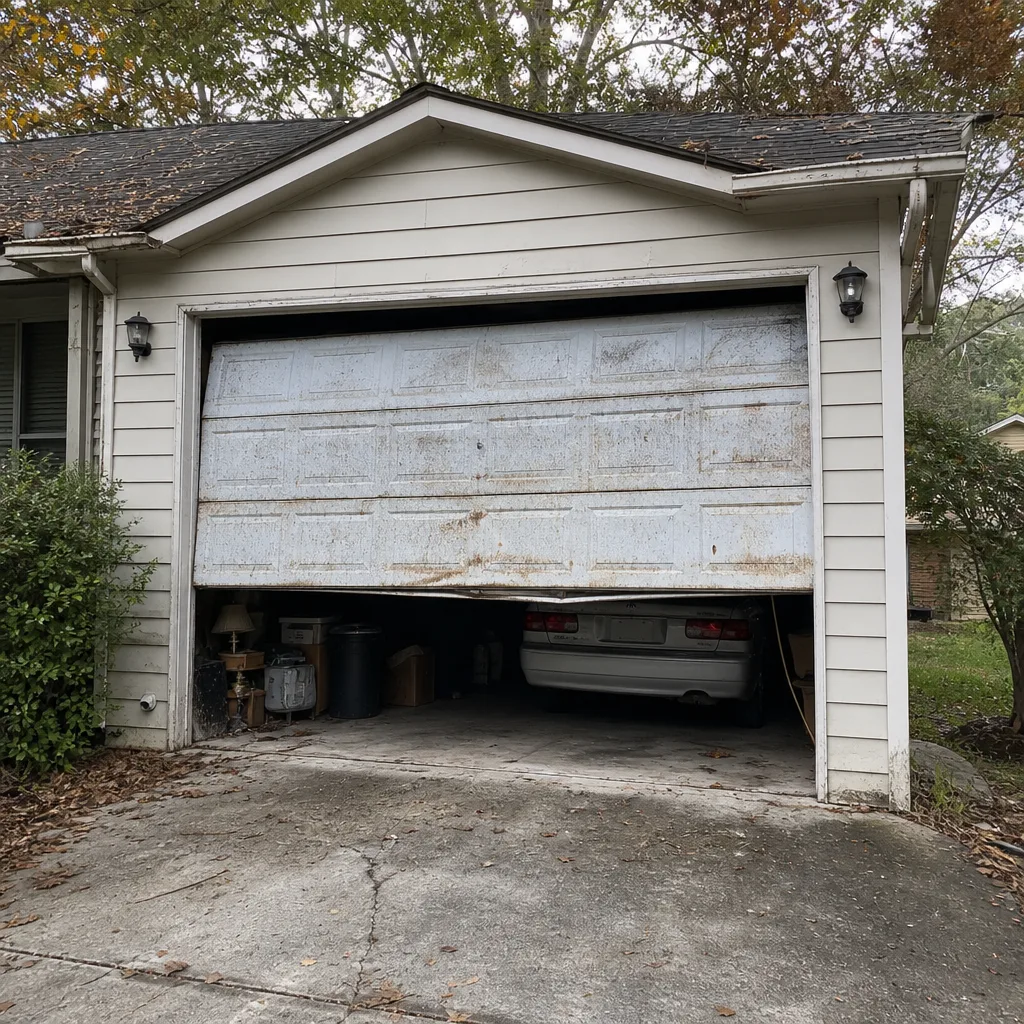 Before
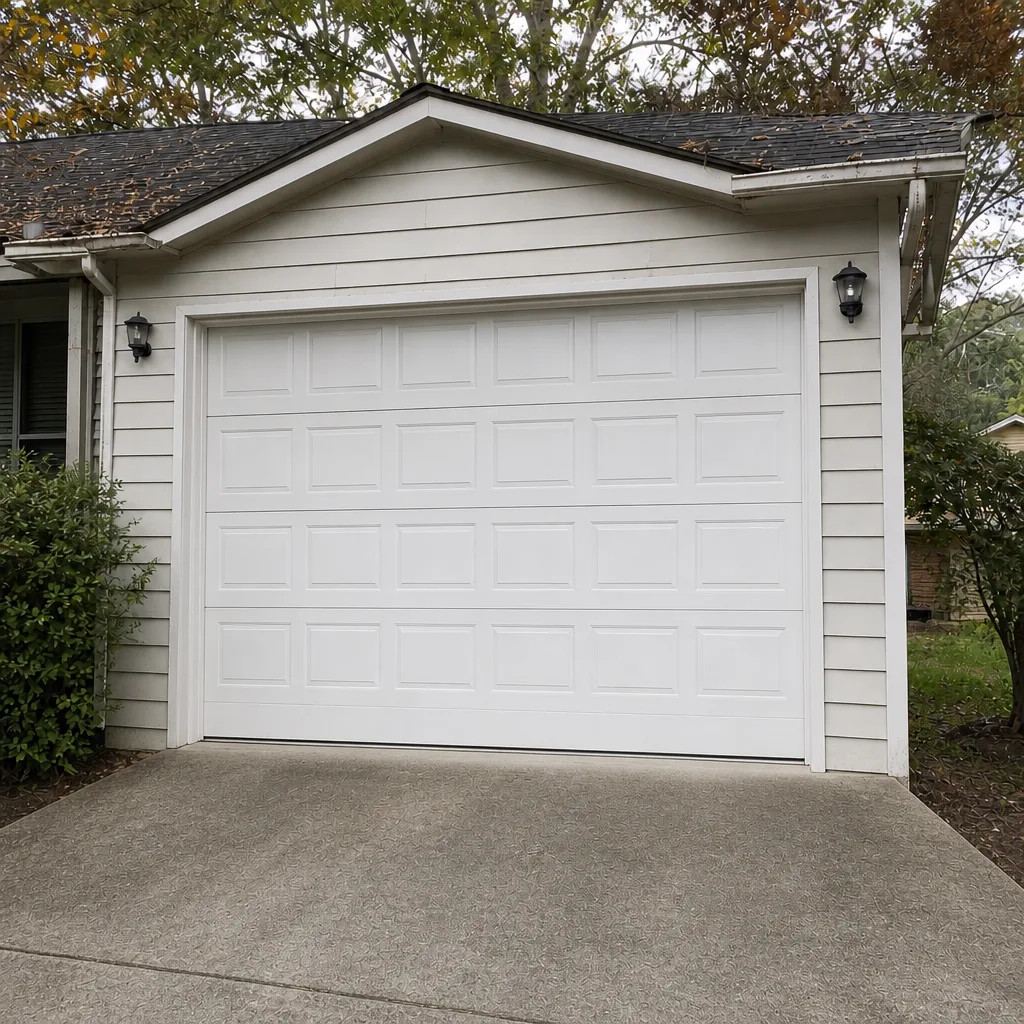 After
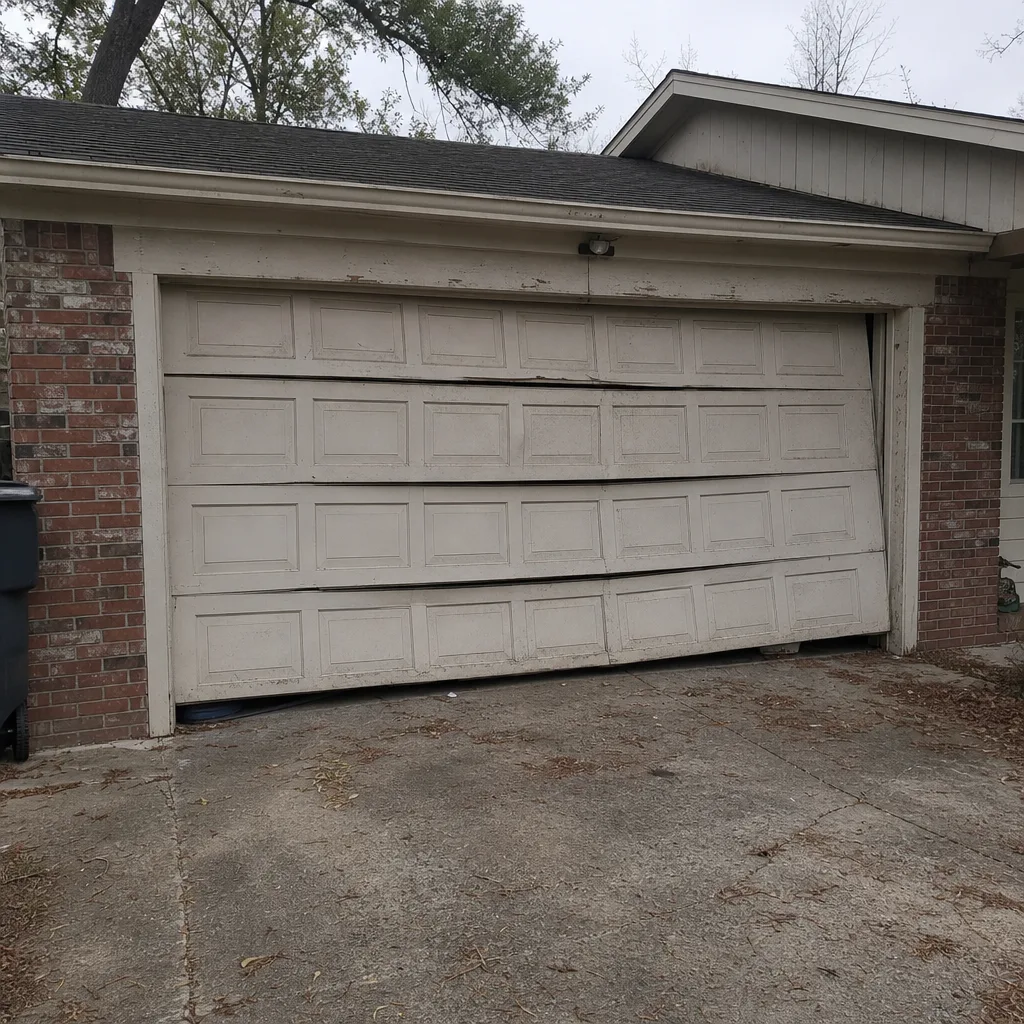 Before
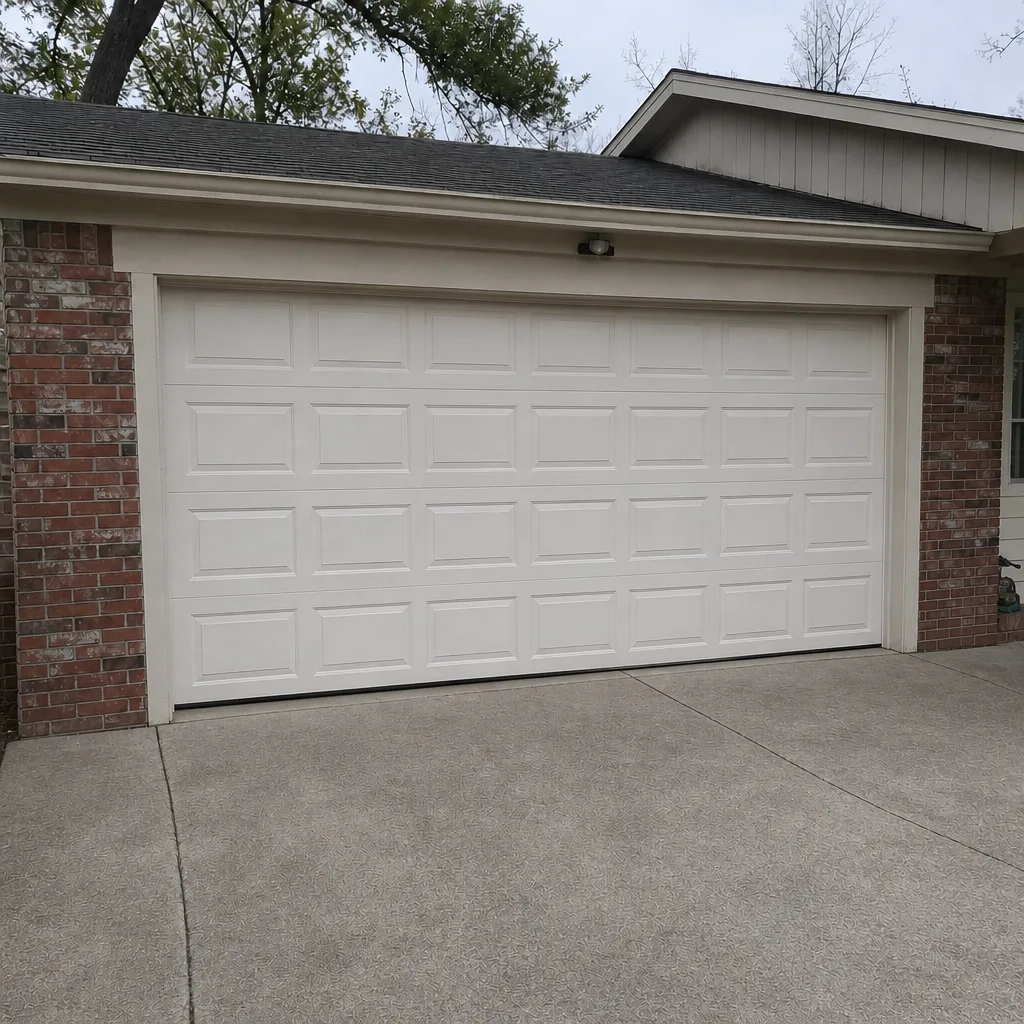 After
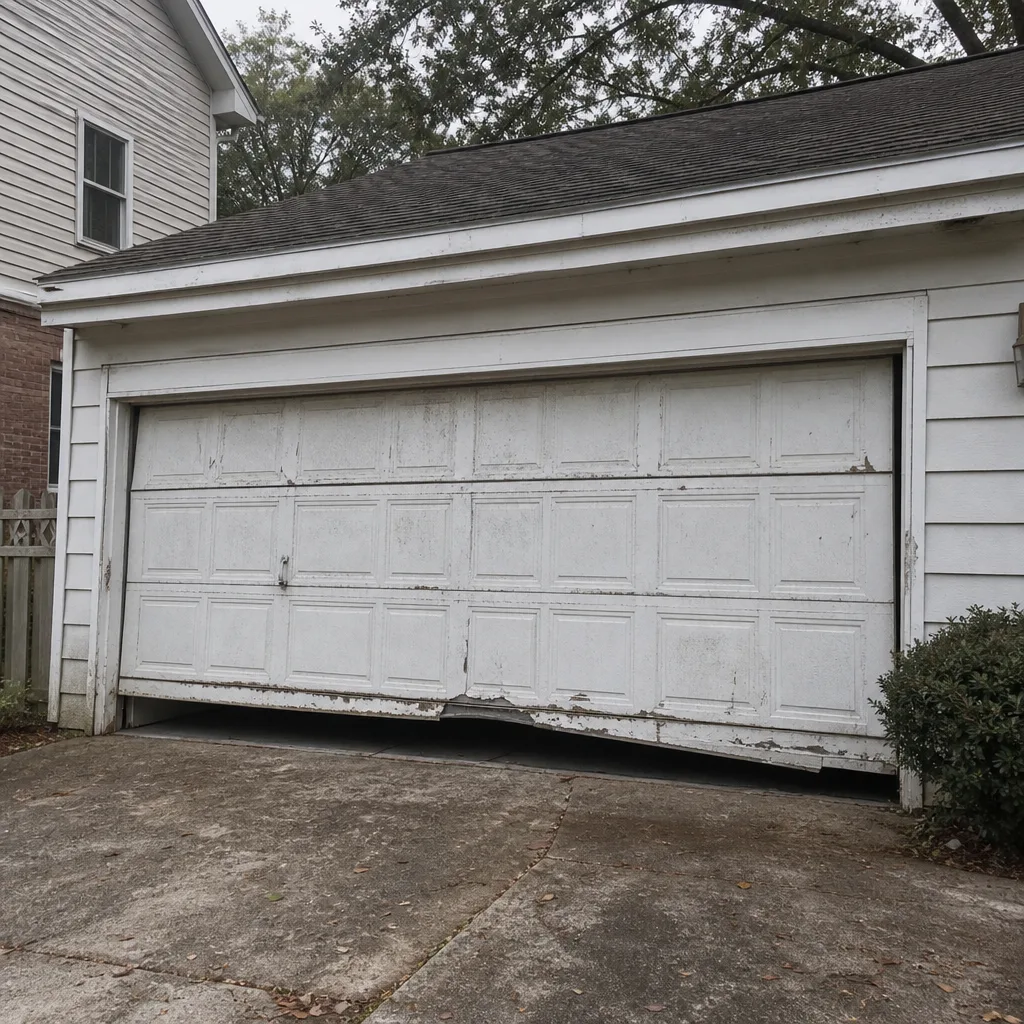 Before
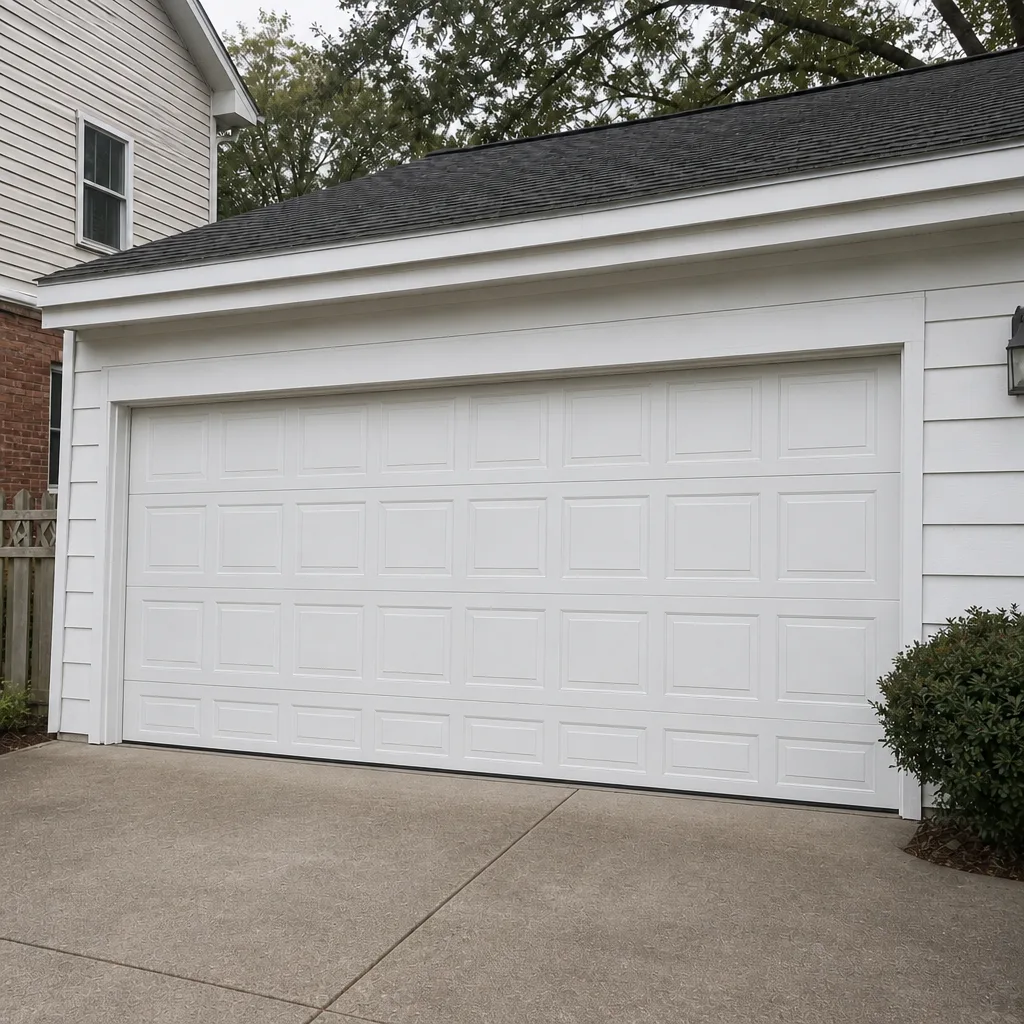 After
When to Call a Professional
Some garage door issues are safe to look at yourself. Others aren’t. Call a trained technician when a spring has snapped, when the door feels unusually heavy or drops fast, when the door has come off its track, or when the opener runs but the door doesn’t move. Those situations involve stored energy or overhead weight, and they’re not a do-it-yourself project. Call us when you’re weighing repair against replacement and want a straight answer rather than a sales pitch. Call us when you’re planning a new door and need the opening measured, the HOA paperwork lined up, and the install scheduled. Clarity Garage Door Service offers free estimates in Columbia; call (833) 391-2958. We answer 24/7. Fast dispatch from 7am to 7pm, Sunday through Friday.
Frequently Asked Questions
Typical garage door repairs in Columbia run from roughly $150 to $400 for common fixes like springs, rollers, and opener components, with the final price set by a written estimate before work begins. Costs vary with the part needed and the condition of the door. Call (833) 391-2958 for an exact quote. Estimates are free.
It depends on the scope of the work. A like-for-like replacement may not need one, while anything that changes the opening or structure usually does. The reliable answer comes from the city’s building department, so call them before you order. We can walk you through what a given job typically involves.
Insulated steel is usually the best balance for Columbia. It resists humidity and warping better than wood, holds its finish longer, and insulates against summer heat. Wood and composite doors can work well too, but they need more frequent sealing and painting in our climate.
Often, yes. Many common repairs, including spring and opener fixes, can be handled the same day when the needed parts are on hand. We answer 24/7, with fast dispatch from 7am to 7pm, Sunday through Friday, so you can get a clear answer on timing when you call (833) 391-2958.
No, not once a written estimate is agreed. We diagnose the issue, explain it in plain terms, and quote the price before any work starts. The written estimate sets the final price, so there’s no surprise invoice when the job is done.
Yes. Our technicians are trained professionals, and we work on the brands most Columbia homes actually have, including LiftMaster, Chamberlain, Clopay, and Amarr. Every job starts with a clear diagnosis before any work is authorized. Call (833) 391-2958 for a free estimate.
The Bottom Line
Garage doors in Columbia face conditions that national buying guides simply don’t account for: over 50 inches of rain, summer humidity past 90%, and a housing mix that runs from older ranch homes to brand-new subdivisions with HOA rules. The short version: choose insulated steel if you want the least maintenance, confirm your opening size and HOA approval before you order, check on permits with the city’s building department, and don’t ignore spring wear or rust at the bottom rail. When something breaks, get a clear diagnosis and a written estimate before anyone touches the door. That’s how you avoid the surprise invoice and get a door that actually lasts in this climate. If you’d like a straight answer on your own door, call (833) 391-2958. We answer 24/7, with fast dispatch from 7am to 7pm, Sunday through Friday, and free estimates in Columbia.
Written by the team at Clarity Garage Door Service.
If you’re still deciding who to call, start with Clarity Garage Door Service and get a diagnosis before you commit to any repair or replacement.